Not Baltimore
Queens, quite a bit in common with Brooklyn. Last time I was preoccupied with finding a single family house for the Lomans in Death of a Salesman that was detached on all sides from neighbors. A house we could plausibly surround with apartment buildings. The house could not be as grand as most (all?) of the single family houses in Ditmas Park or Flatbush; not the correct price range for a traveling salesman in the 1910s and 1920s.
I made a guess that Arthur Miller was conflating a few houses and neighborhoods in his head when he wrote Death of a Salesman…I said he was thinking about a children’s book and his childhood car rides out to Far Rockaway Queens….this may be true….but, now that I am reading through his autobiography, Time Bends, I am realizing maybe when he said Brooklyn, he meant Brooklyn. And, I had the Brooklyn neighborhood wrong. Midwood. It is called that because it was in the middle of a wood. Patches of trees with squirrels, rabbits and foxes in them surrounded sparse single families in the 1910s when Arthur Miller’s uncles bought houses out there. I just haven’t walked down the right side street yet to find that little house.
Most of us have claimed Willy Loman as our own. Even Arthur Miller calls him an American, not a New Yorker, not a Brooklynite. So, is it important that we place him in the exact right city? are the borough and the block important?
I have my answer to those questions. I let it mull for five days and then sat here staring at the ceiling until I got it…but the words are still forming.
So! In the meantime, I want to look at Baltimore in the wrong decades to see what we see. I chose Baltimore as the city that will tell us what Death of a Salesman is not because the most recent Broadway Salesman played a Baltimorean on a beloved-by-many television show. By dint of this fame, that actor will bring Baltimore into the room everywhere he goes. He can’t help it.
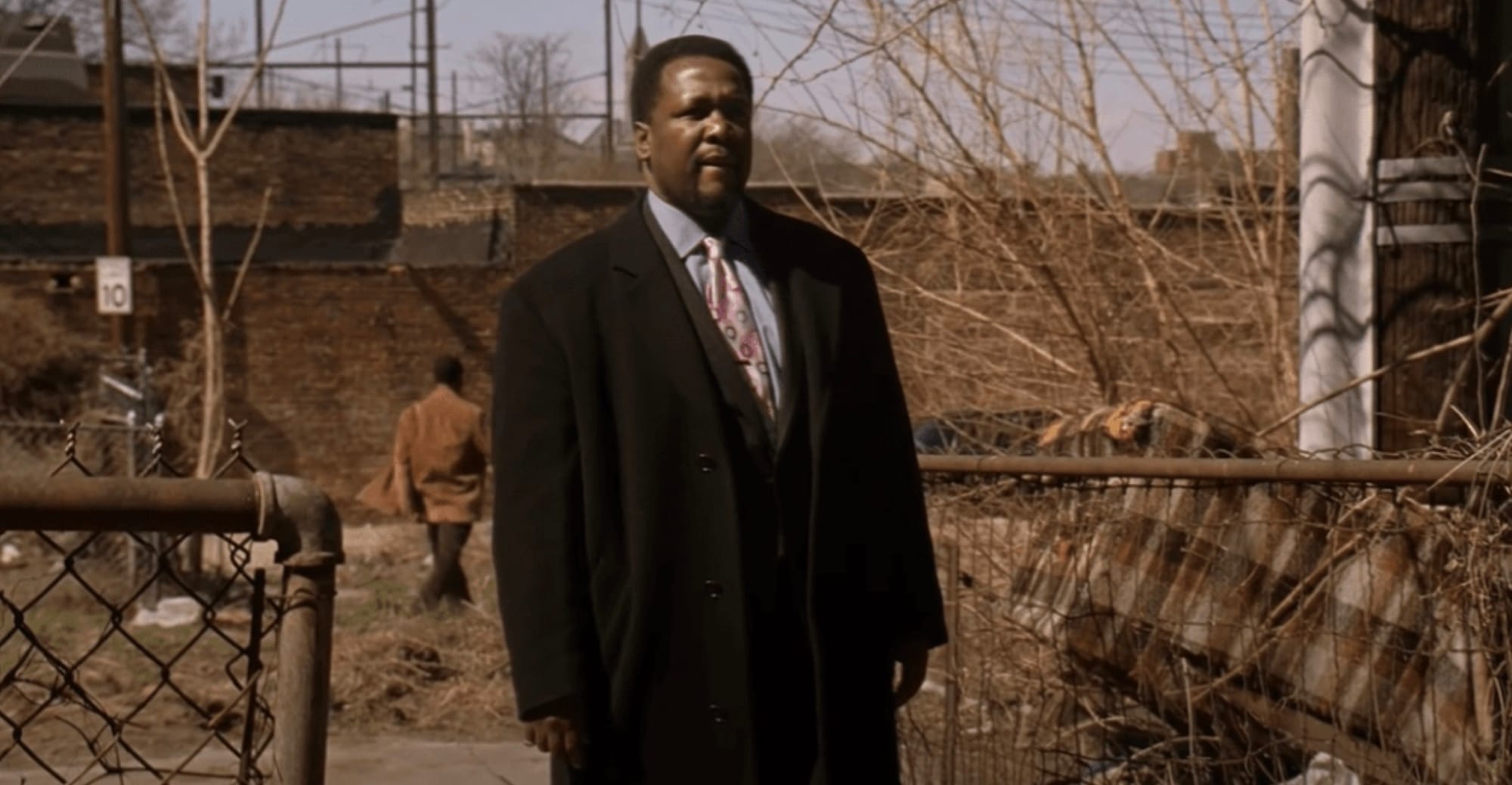
So, that’s Wendell Pierce as Bunk Moreland on HBO’s The Wire. He plays a detective, hence his landscapes tend to be the harder living parts of Baltimore.
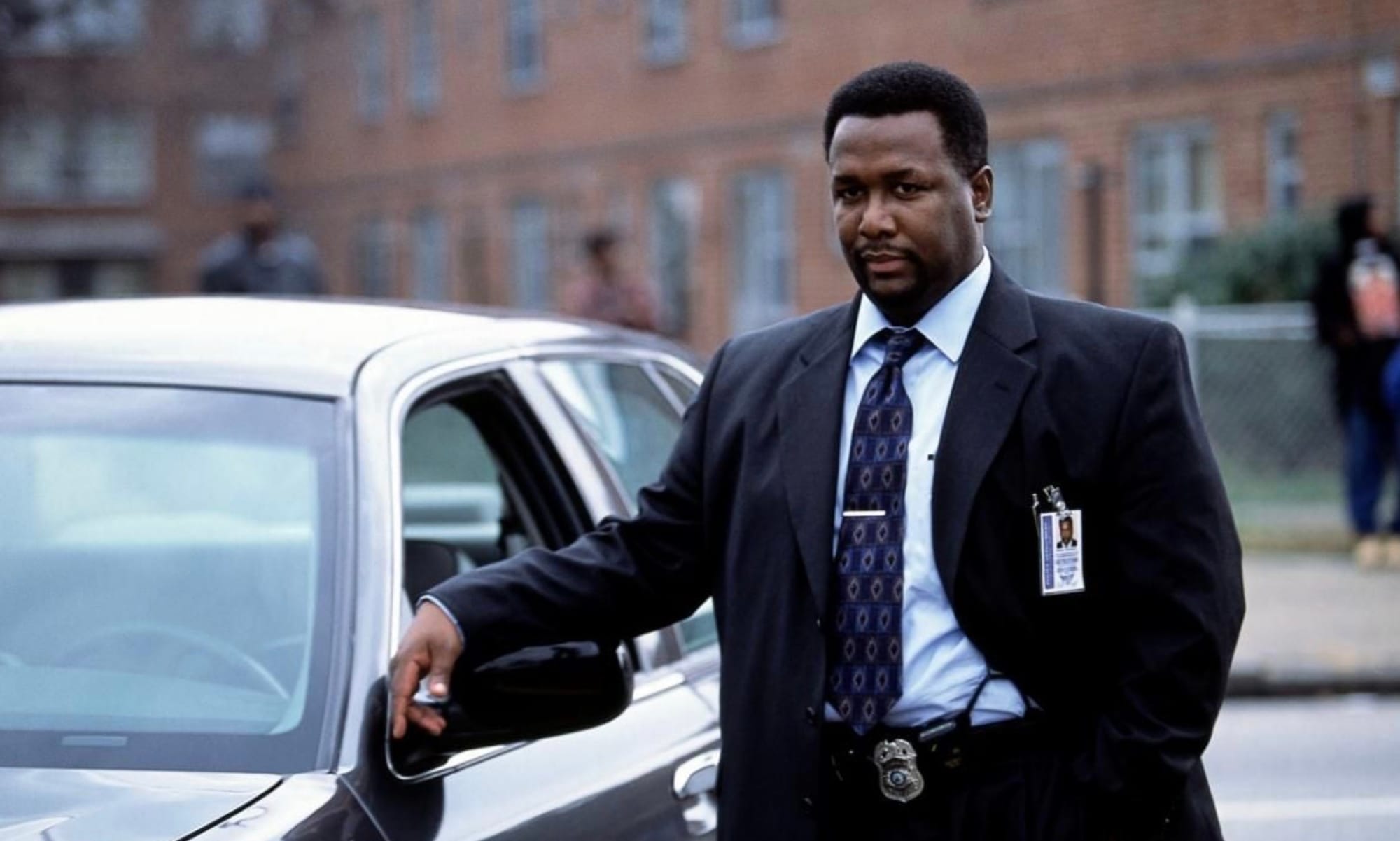
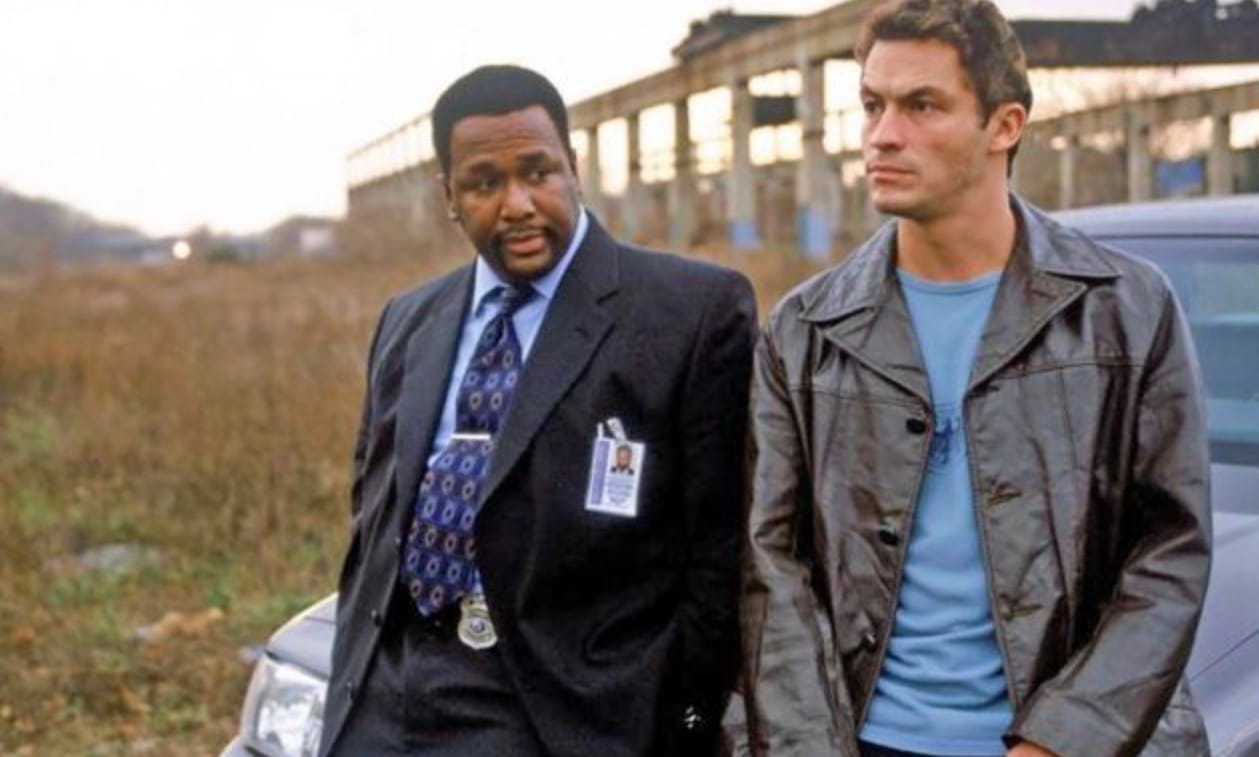
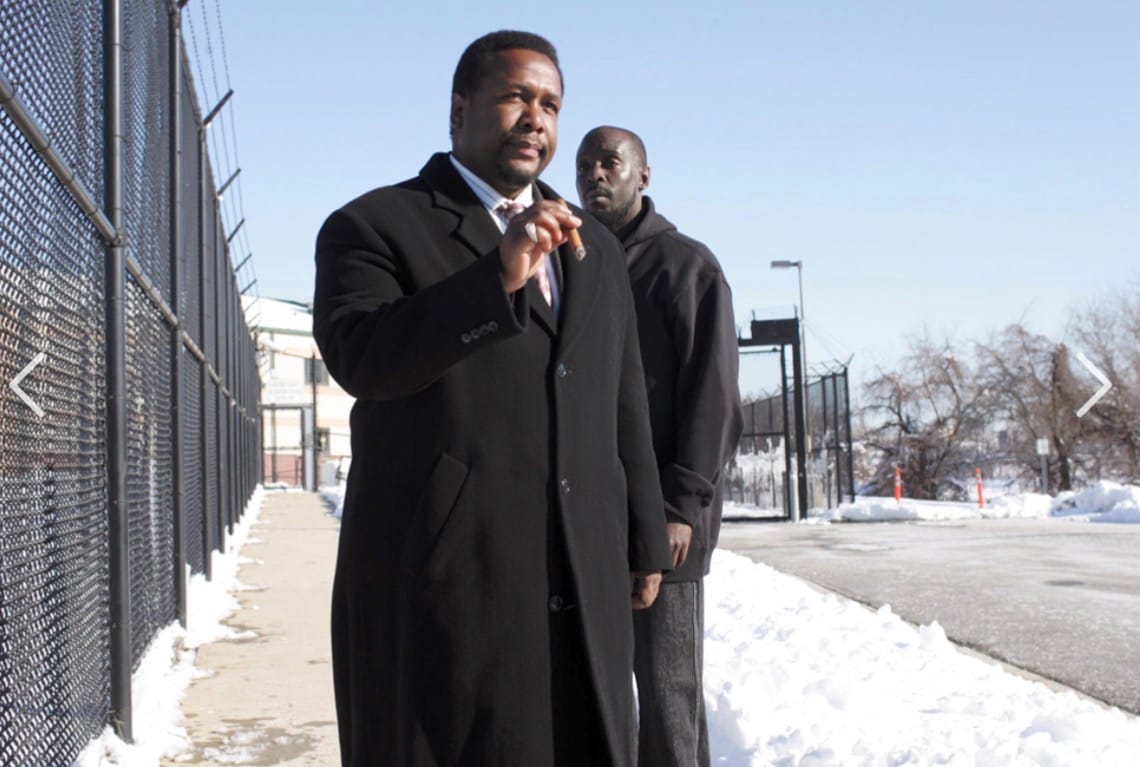
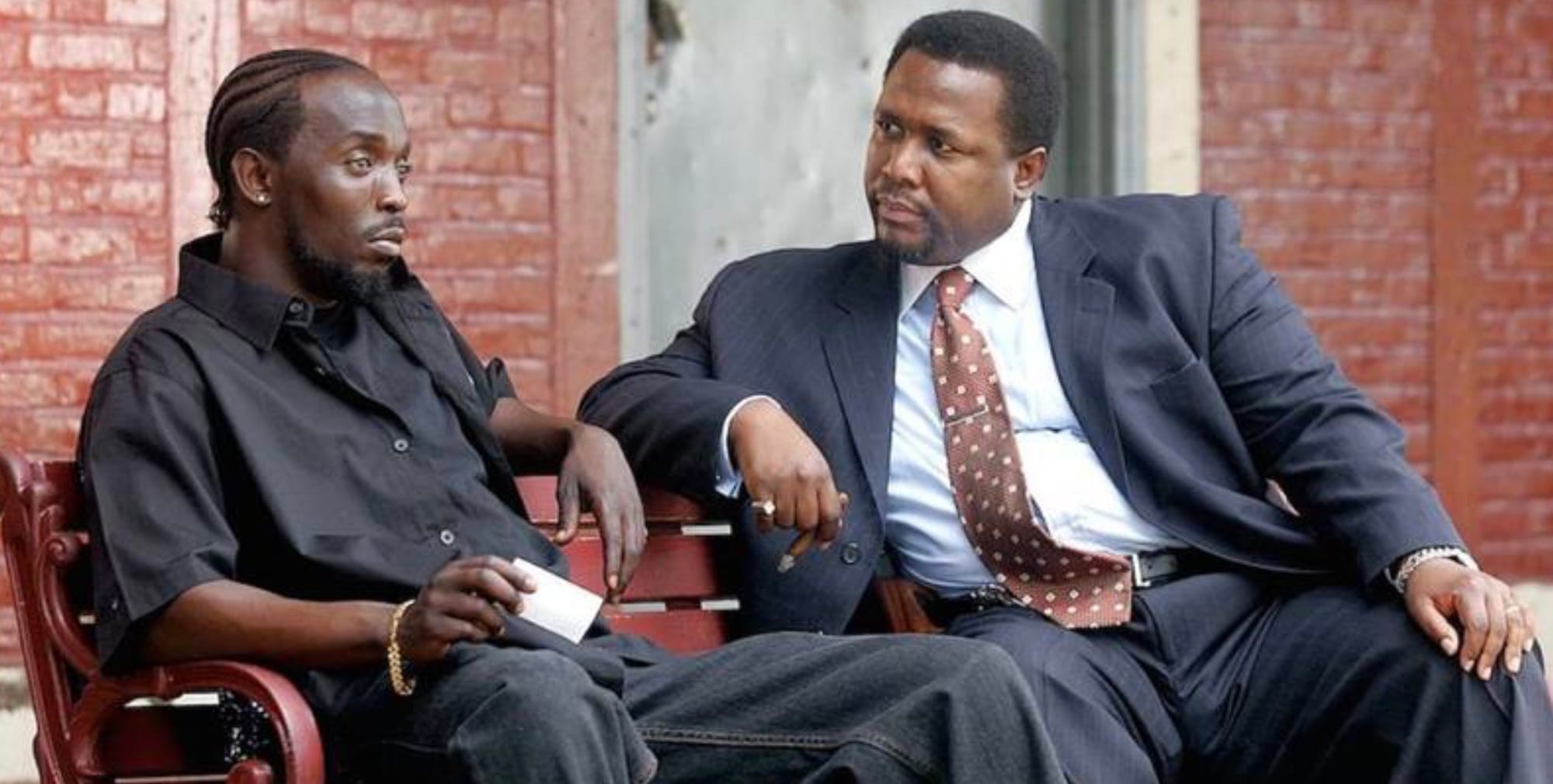
Oh man! I wish I hadn’t looked up these photos. I had shadows of Bunk Moreland in my head, silhouettes. Now he’s back in full effect. I don‘t get to go into a viewing of his Death of a Salesman with this other character appropriately faded. Darn!
I watched and rewatched The Wire until I started seeing through it. I mentioned that the production designer pulled punches to someone with family in Baltimore. He angrily? haughtily? rightly? reprimanded me, don’t take art as life. This is fiction. … I replied that if there is better research, a production should use that research. He said okay…but I know the implications of what I was saying and my impressions are a big problem with folks like me, an outsider who thinks I know Baltimore, for example, because I watched an HBO show about it. HBO shows as historical record sounds silly now that I type it…
Baltimore is a small city, right next to Philadelphia, a city I lived and worked in briefly. So, at a certain point I knew all of the extras that would fill in the background on The Wire. Actors skew suburban and well-resourced. Seeing those familiar faces with their perfect teeth lounging on a lone couch in the project yards took away that realism that I know they were going for. Even if I didn’t know the actors, it became obvious that The Wire was making a story that the suburbanites could watch. A more mall-clothes-per-capita number than the research indicates.
When productions get something very very right, very realistic, it is like the production is making a pact with us — I am trying to do life, as is.

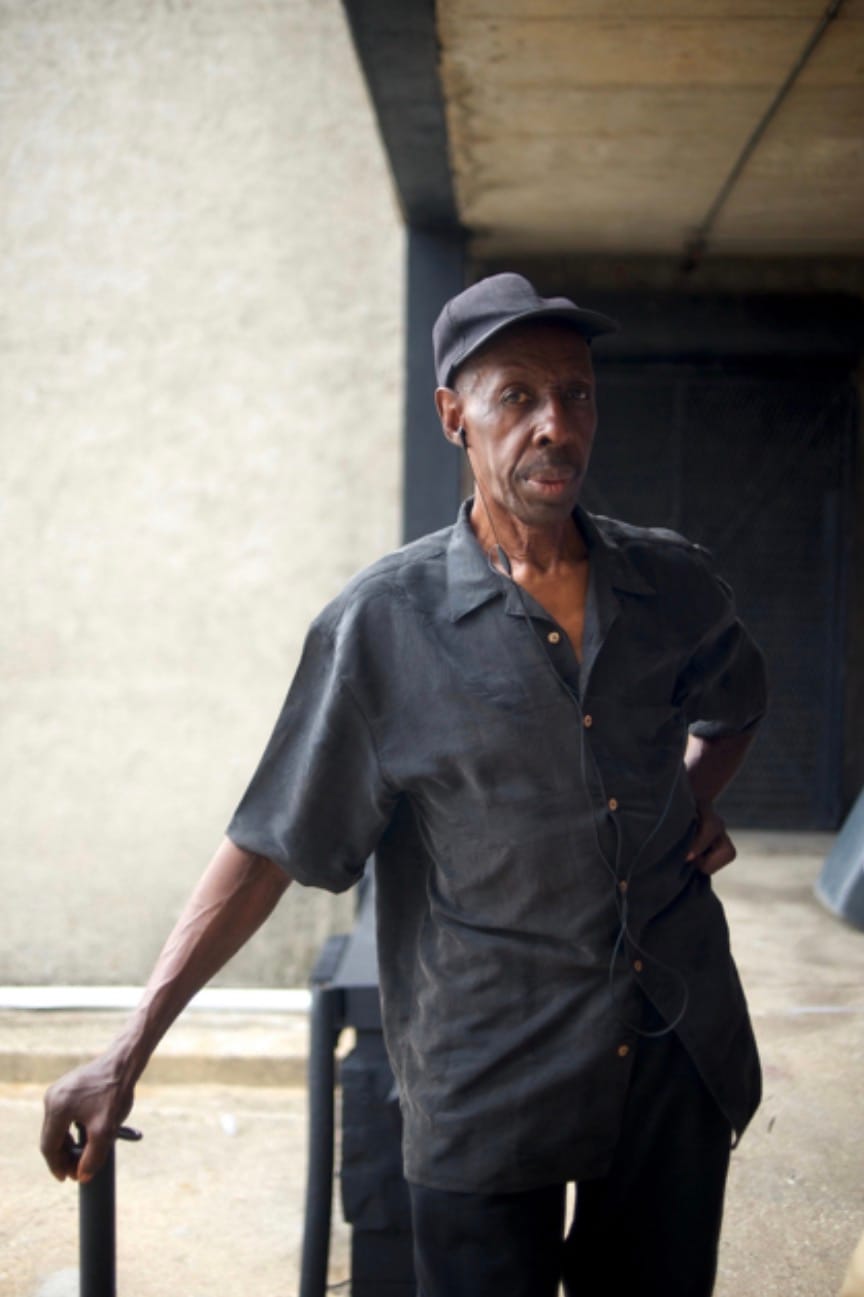
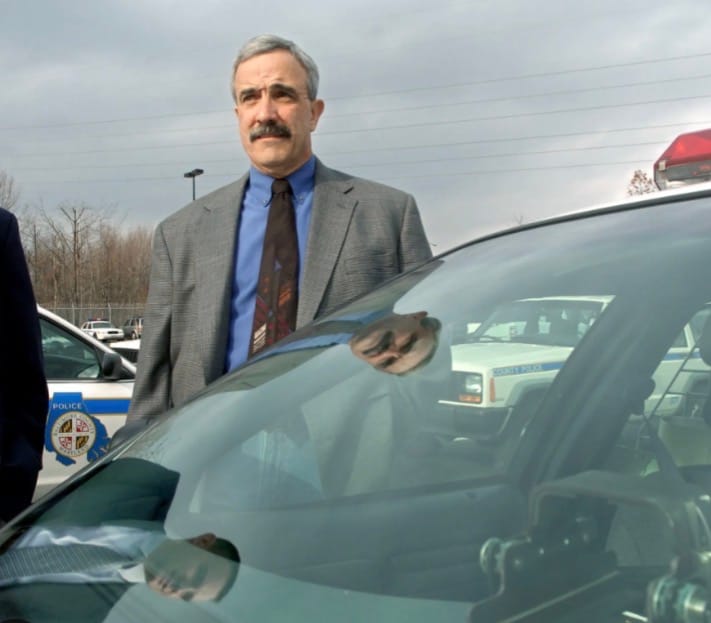
Real Baltimoreans playing themselves or someone like them in The Wire.
But, I don‘t think everyone involved feels like bringing this level of veracity in some places requires veracity in all of the places.
For me, and most, using 100% accurate elements in a production is the same as the wig problem. Either everyone is in a wig, or no one is in a wig. You only see the fakes in context. Wig-spotting is a way to pull yourself out of a story, for sure. All choices in art have a wig equivalent. If you get some characters precisely right for Baltimore, can you mix in a Brit? Accent-spotting is as bad as wig-spotting…
Quick Quiz! Only for those who have not yet watched The Wire (I want you to watch it blissfully ignorant):
British or Baltimorean?
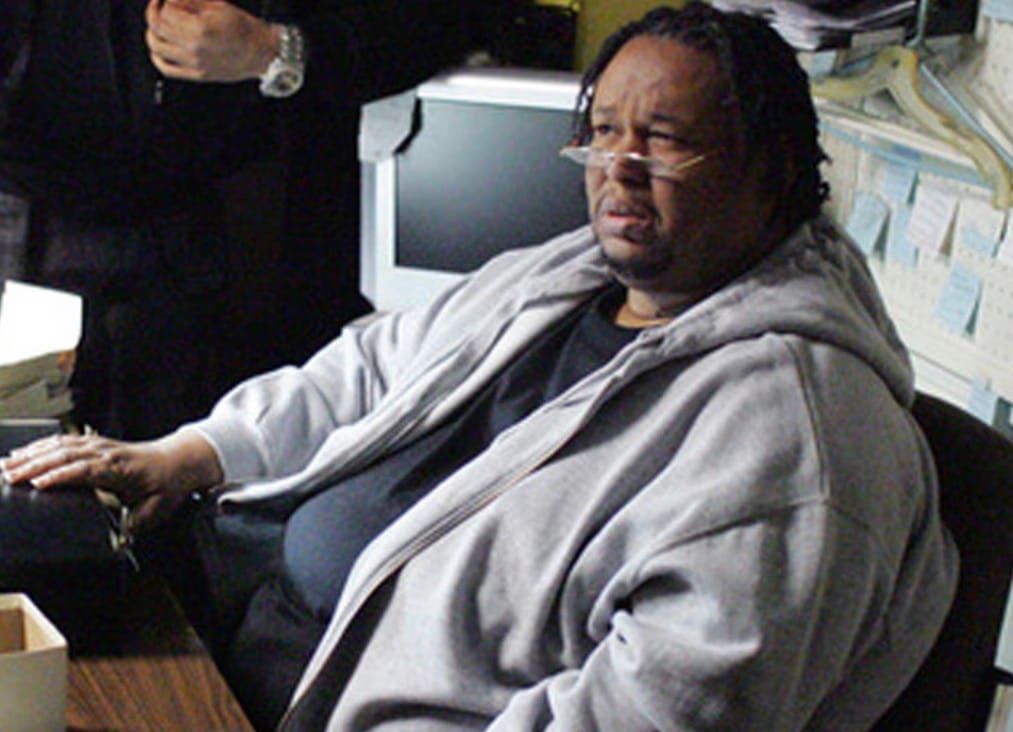
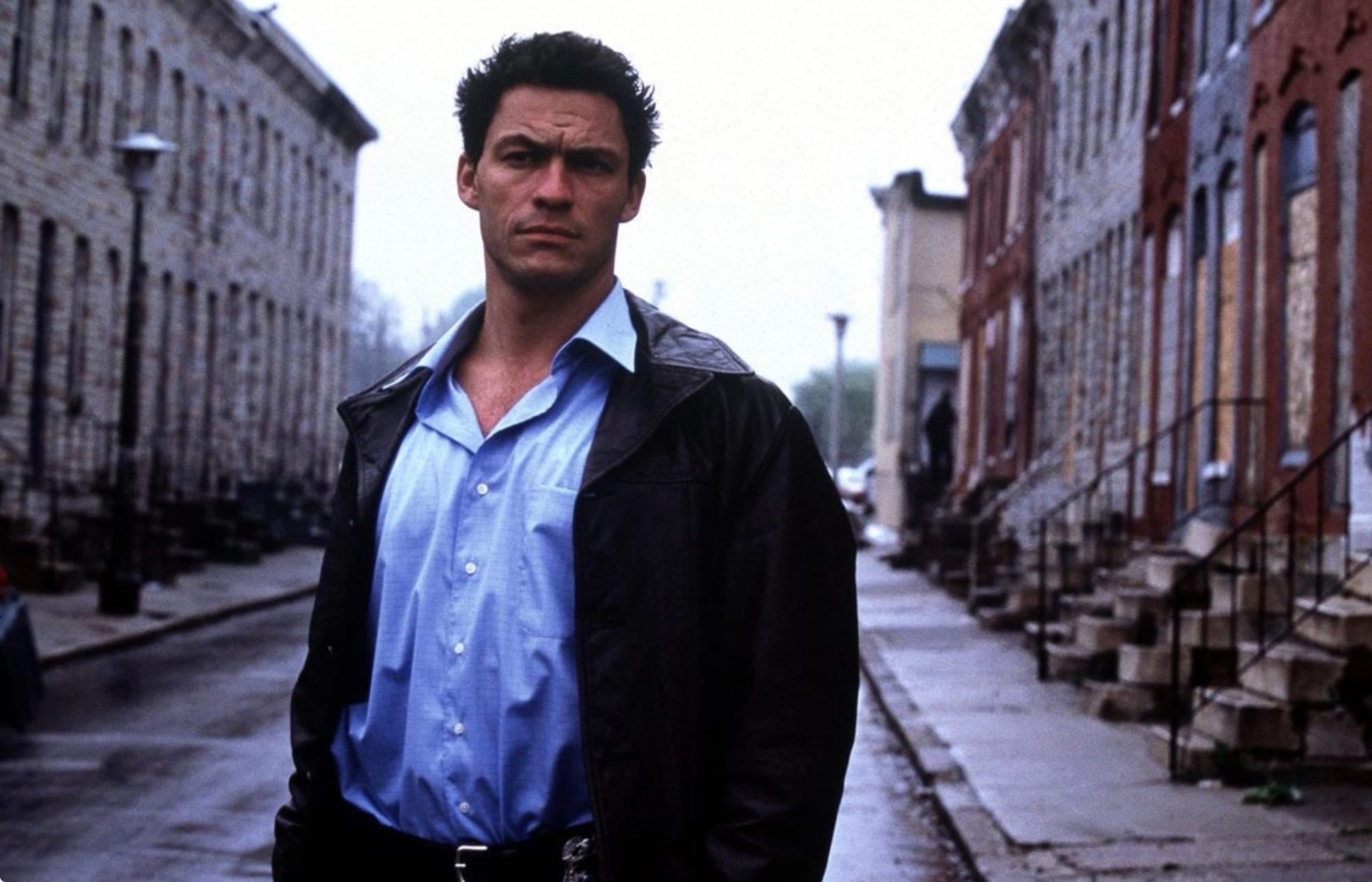
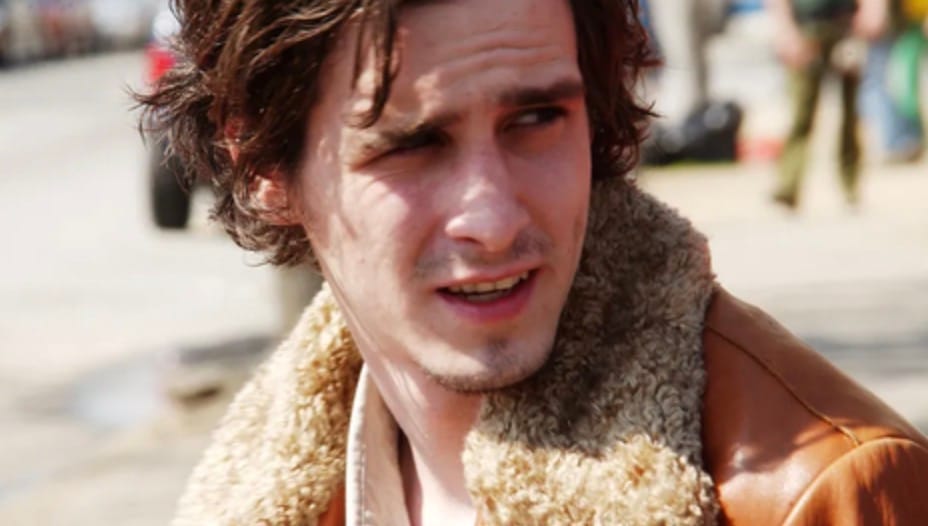
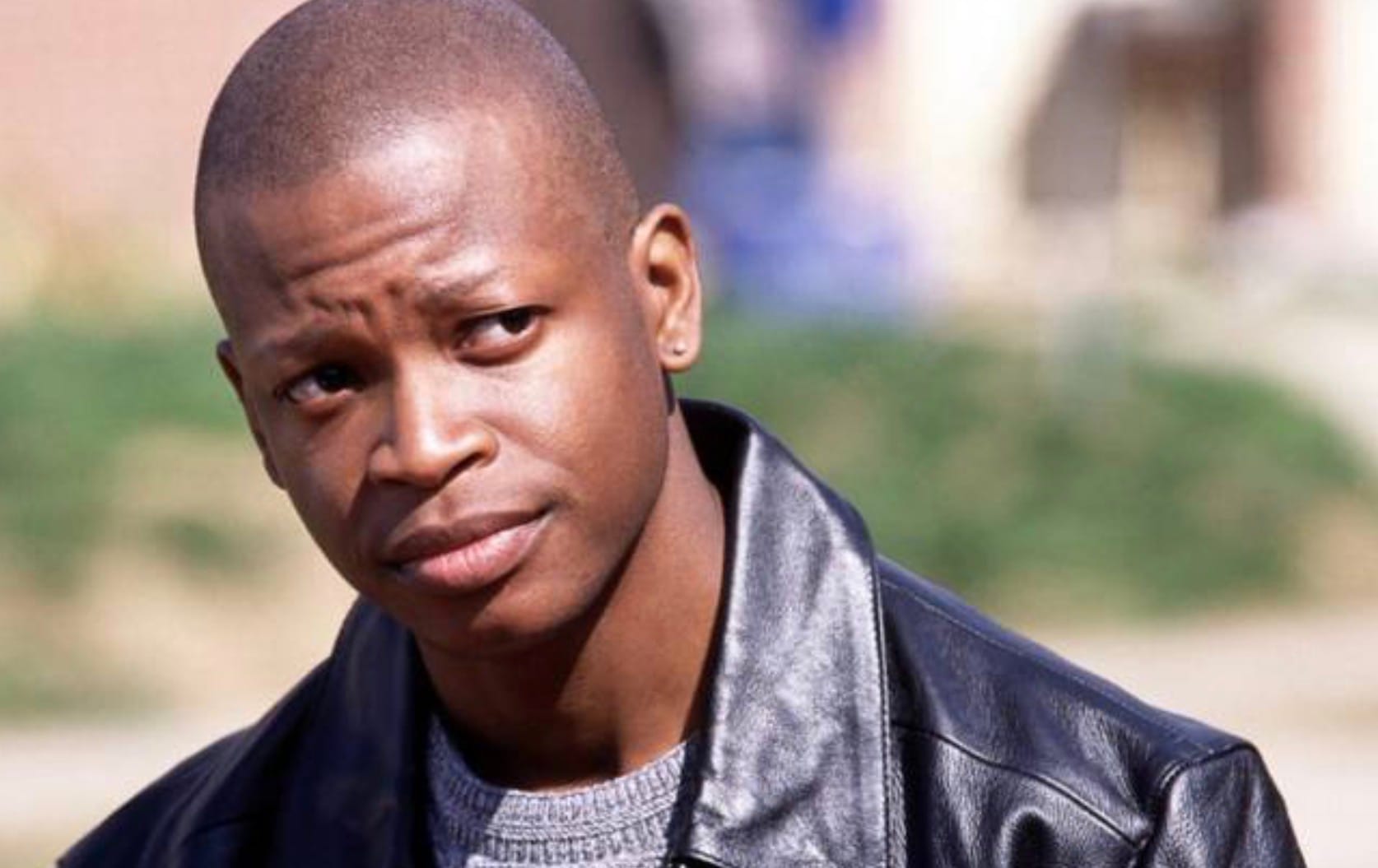
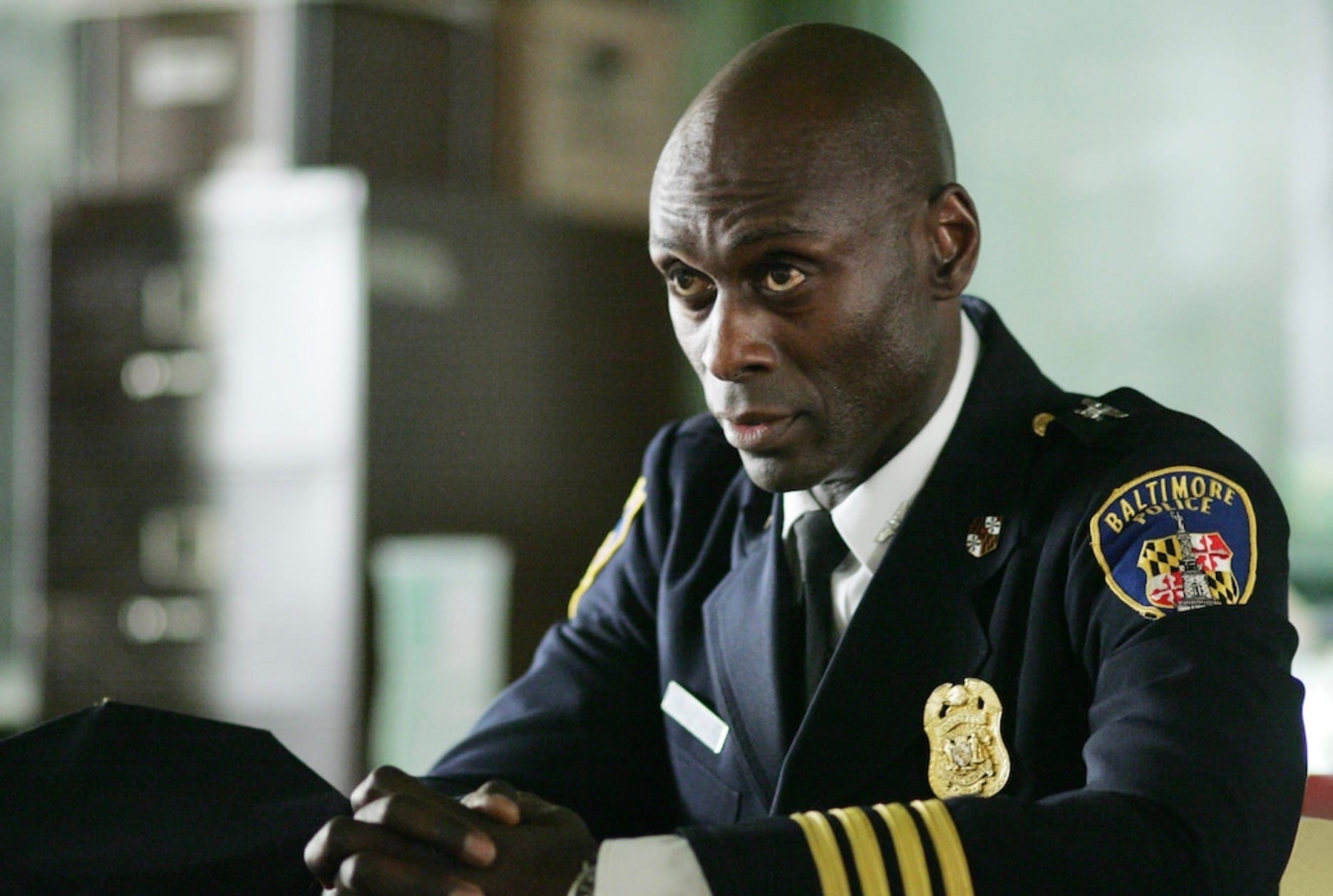

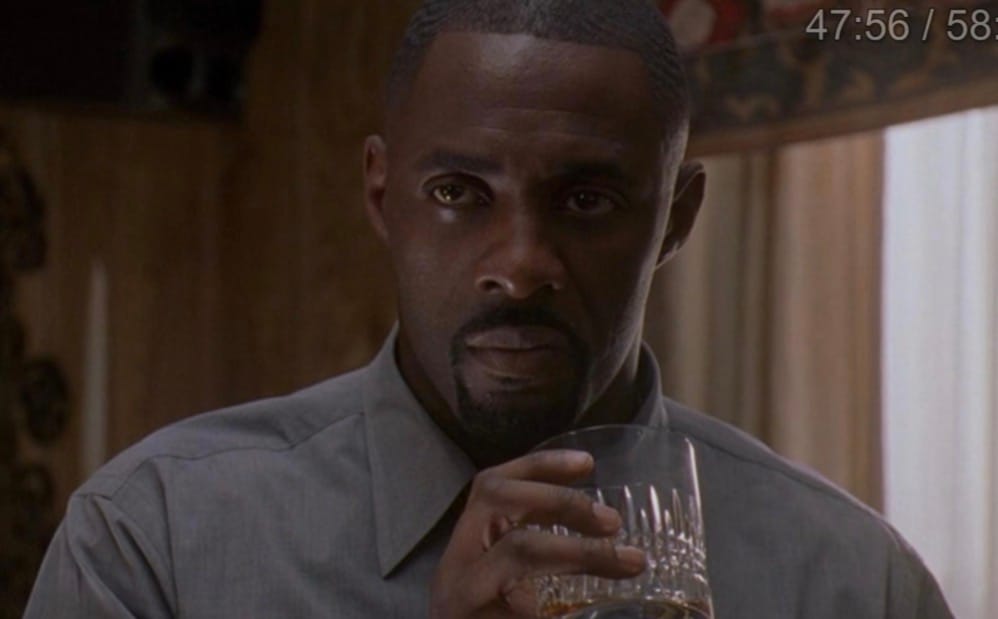
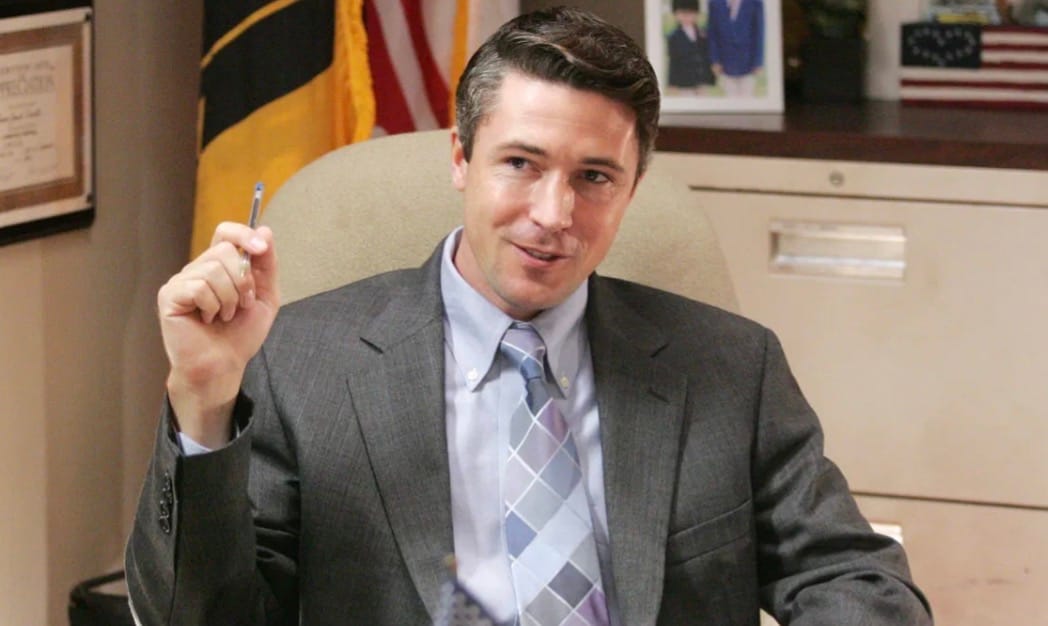
- Baltimore (…duh. Prop Joe’s DelCo was homegrown),
- Brit (we see him in a variety of West End theater productions … I don’t really like hearing him in his native tongue.),
- Baltimore,
- Baltimore,
- Baltimore, … but if you got that one wrong, forgiven. Hard to place that posture.
- Both! Michael Hyatt - the Barksdale mom in the car - grew up in London and Maryland,
- Brit,
- (don’t fall for it, it’s a trap) Irish.
Do the British actors blend? Most of our skeletons grow into a shape that we have been cultivating since we were seven. You know that language acquisition maybe-truism - we take on the speech patterns of our peers when young? How about the posture? Who do we stand like?
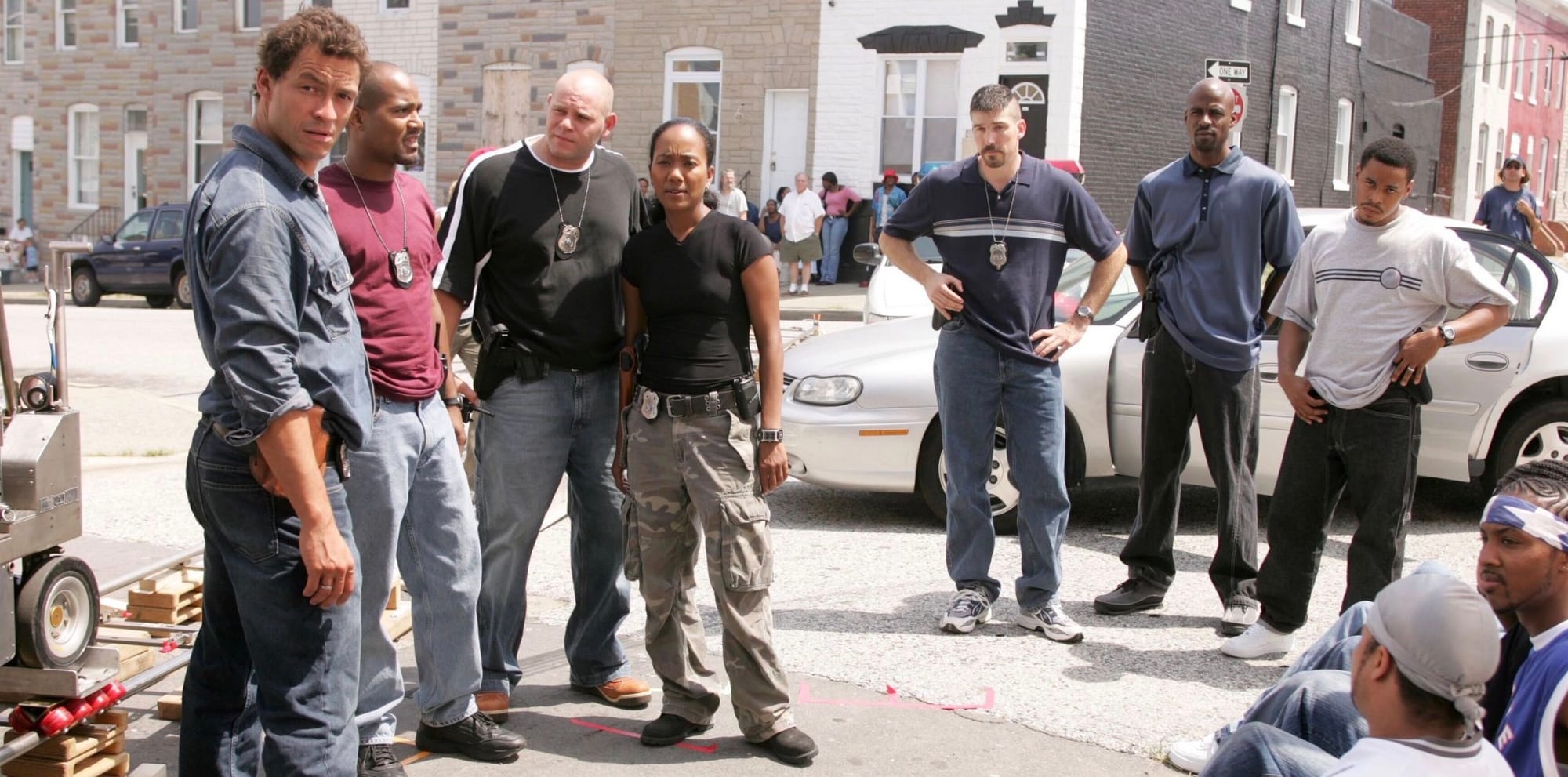
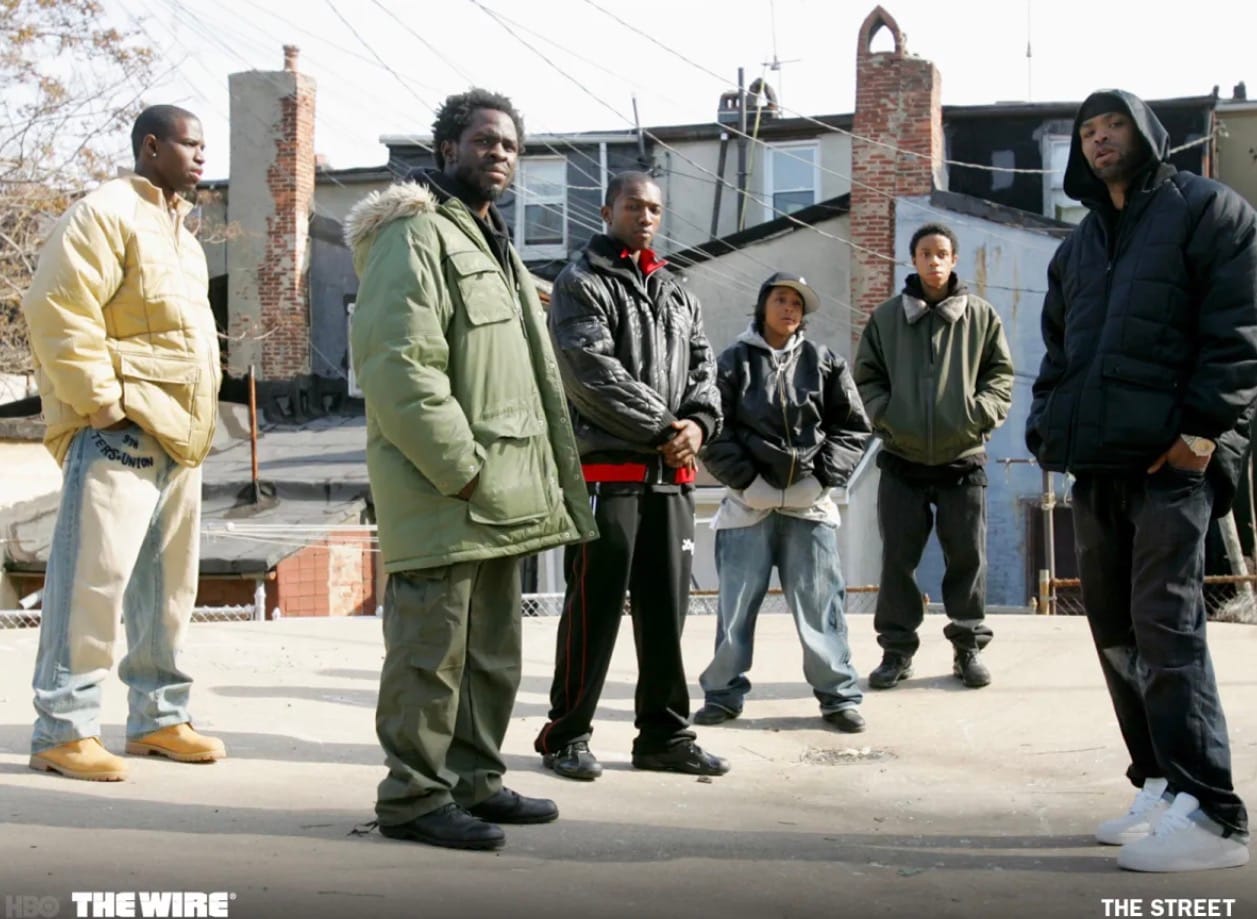
I think you want to put all of the most accurate research on the wall and cast all the local actors, shoot the scenes on the right blocks and buy the clothing at the same stores — and then raise the bar on how well you fake it. Look left and alter your posture to match your scene mate.
Reflecting on The Wire and Baltimore makes me think that when Wendell Pierce walks onstage he drags behind him all of the bricks of our Northeastern cities. It’s okay to bring your bricks from Baltimore to Brooklyn. Willy didn’t want the mundanity of even a pretty block of uniform units, be they Baltimorean rowhome blocks or Brooklyn apartment blocks. He walks into his free-standing mini-castle and his neighbors in apartments get a longer view and block the sunlight. The Willy Loman’s with Baltimorean pasts have to treat those bricks like the prison walls that they are in this show. How haunted by Bunk Moreland and Baltimore is Wendell Pierce?
Actors that have been around for a few decades are truly great Willy’s. Wendell Pierce cried when describing this role to an NYTimes theater reporter. We know that this role took a bite out of Phillip Seymour Hoffman’s sanity and stability. People don’t quite believe me when I say that acting is a hard job. There are different kinds of difficulty. Acting is intellectually hard; but, really the hard part is feeling all of our feelings for us. “Are my best days behind me? Was I ever any good? A man can’t go out the way he came in. A man has got to add up to something.” Wendell Pierce recites those Willy lines over dinner and cries.
…and, if I am being honest…I know we theater-people/tv-people/movie-people indulge our delusions of grandeur in and out of work. We range from truth-telling big feelings crybabies (me most days, and evidently Wendell Pierce, too) to truth-contorting habitual bullshitters (me often, our president everyday, and the uncle Arthur Miller based Willy on). Even in that New York Times interview Pierce calls himself out for going too big “Actors, man.” What’s it like to make your career about adding your own shading to the American male archetype? And then to do this most archetypal American male — a salesman who kills himself because the role is too big and too tragic for a sane man’s shoulders. The parallels to an actor‘s career are clear. No wonder Wendell cried talking about it … twice.
I think that audacious New York City dreamers must be special fascinating to us. The fabulist in the white house is clearly showing us a dream that we like. All of his fantasies must be the ones we didn’t know we had.
Theater processes are mostly discovery—I just discovered that those bricks are a welcome commonality between Baltimore and Brooklyn while writing this essay! But, I am definitely also searching for proof of my gut feeling that Willy needs to be a New Yorker.
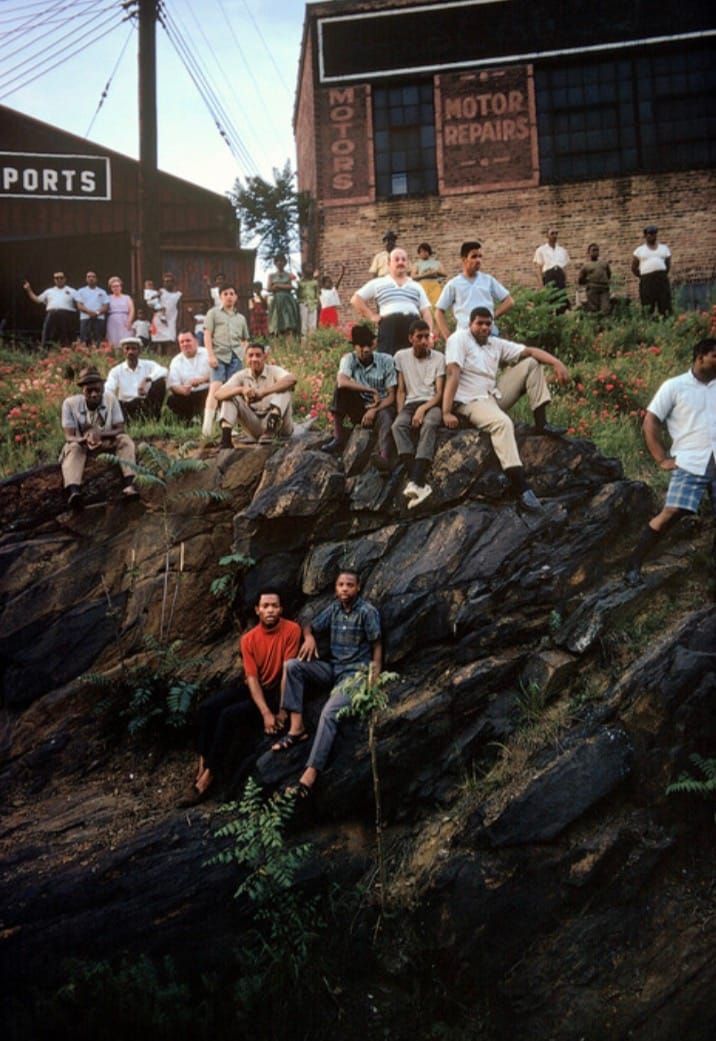
I think a Baltimore past is bizarrely fitting as a proxy for Midwood when you understood the name…woodsy. With a train track that runs through it. This is a few decades late — but it tracks with my impression of Baltimore even now; similar enough to mid-Brooklyn Midwood:
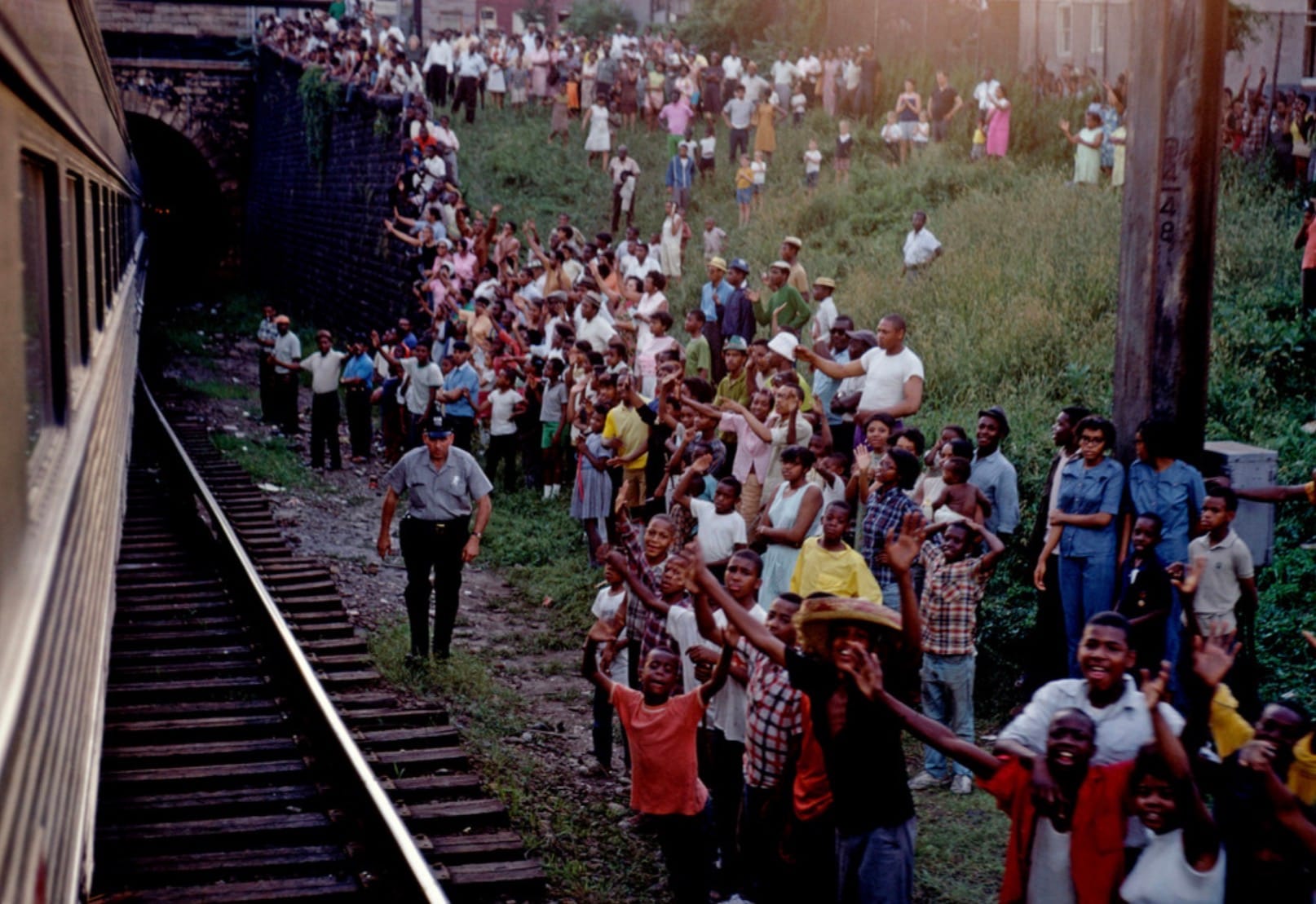
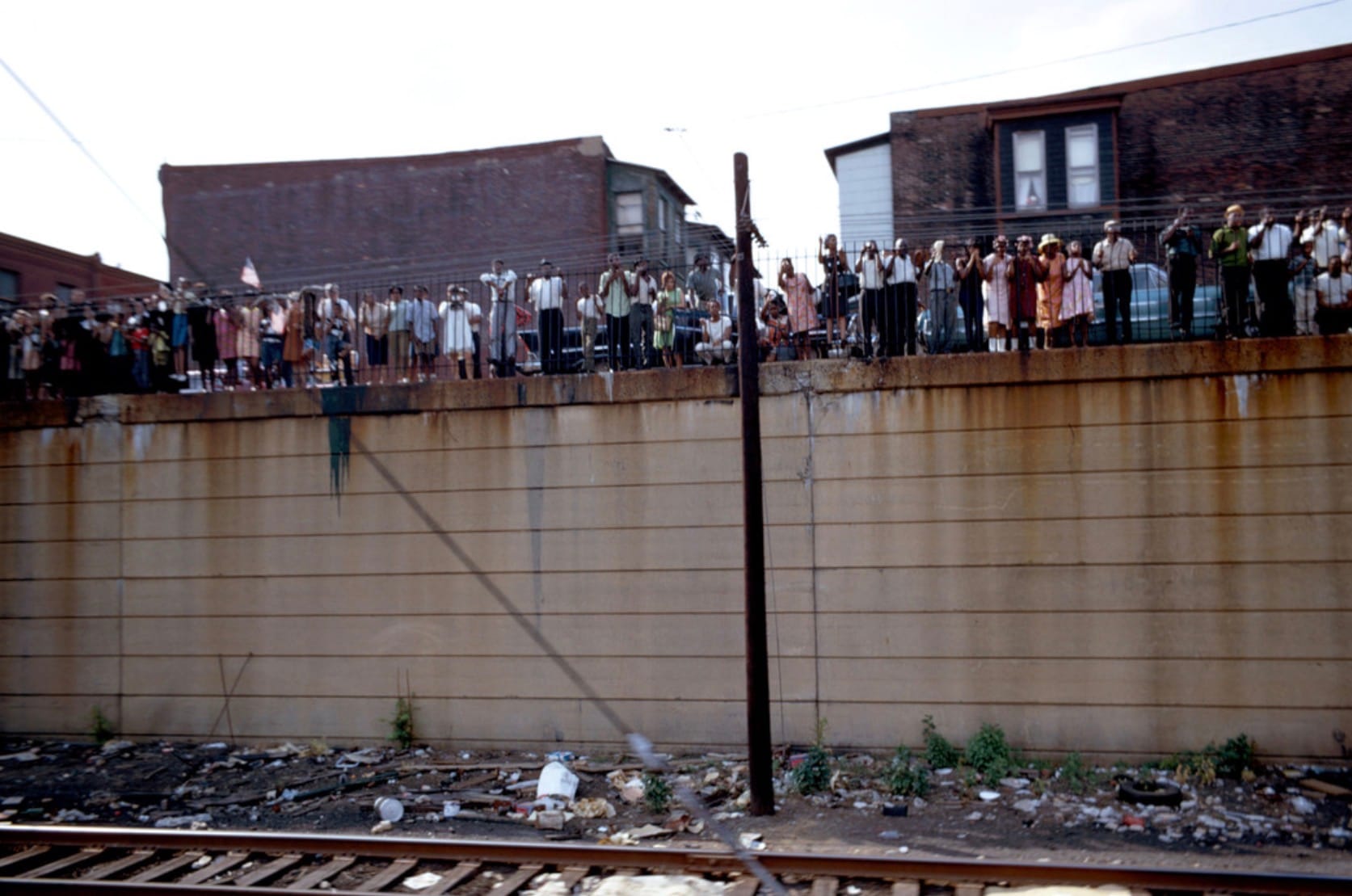
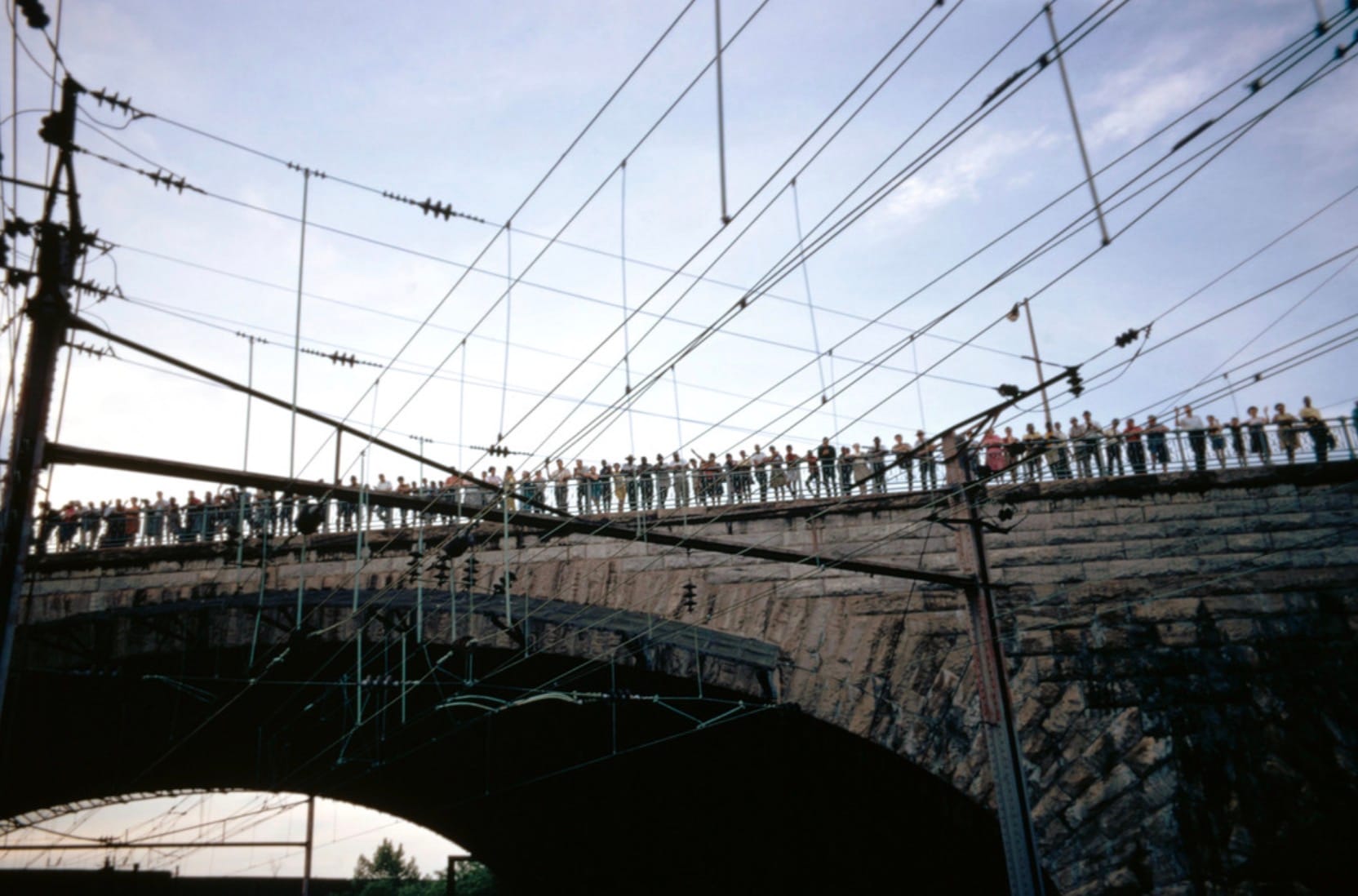
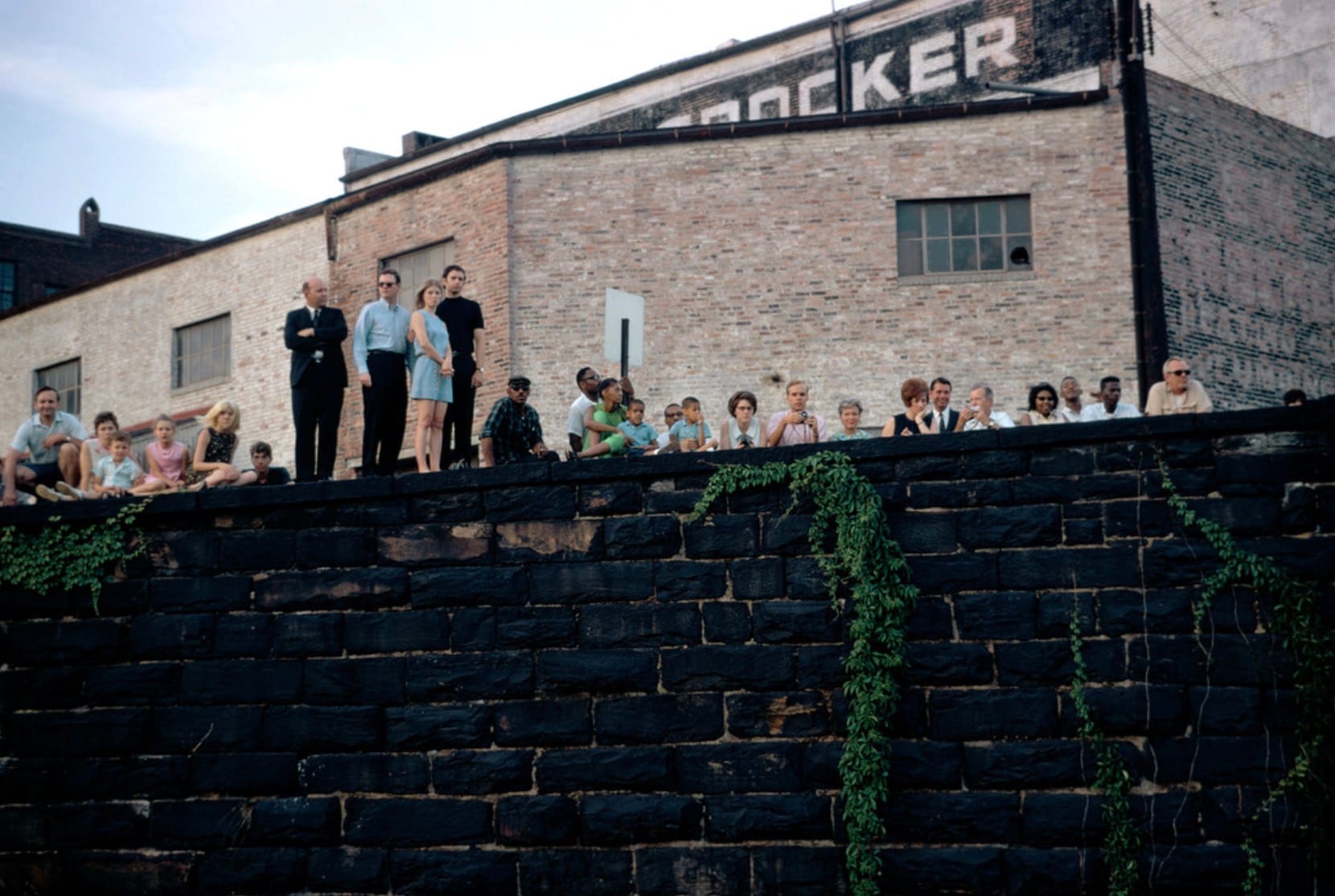
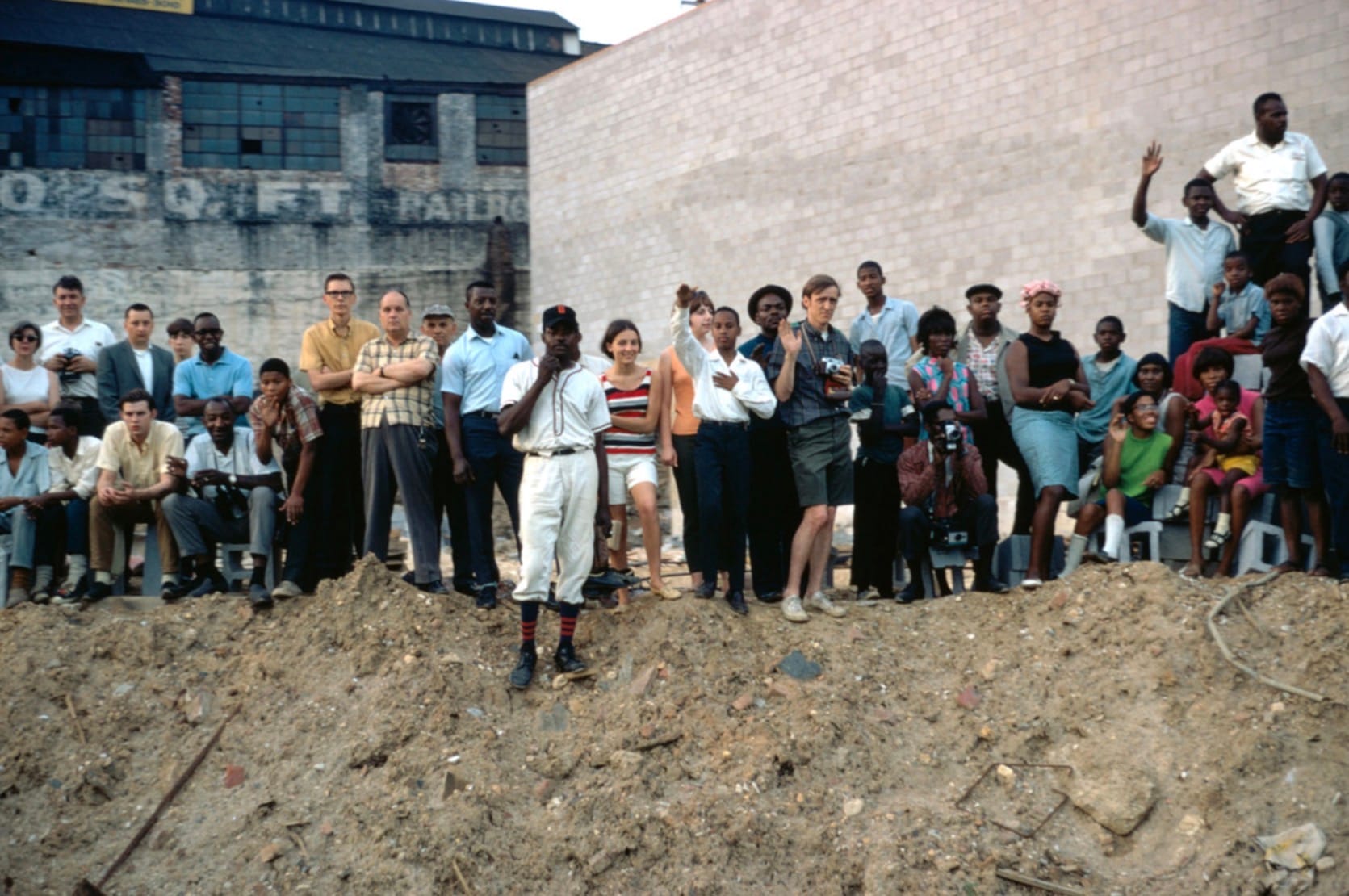
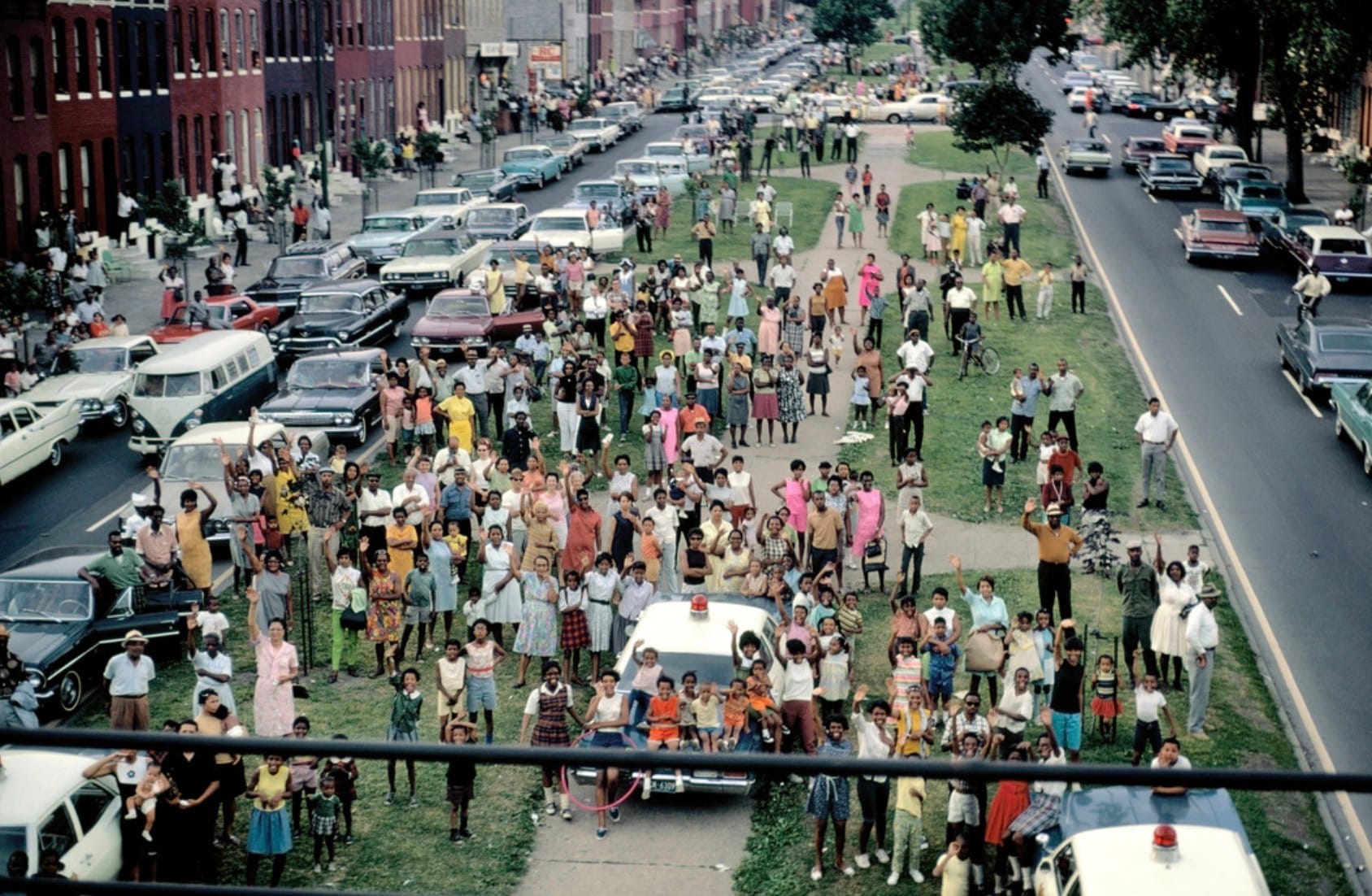
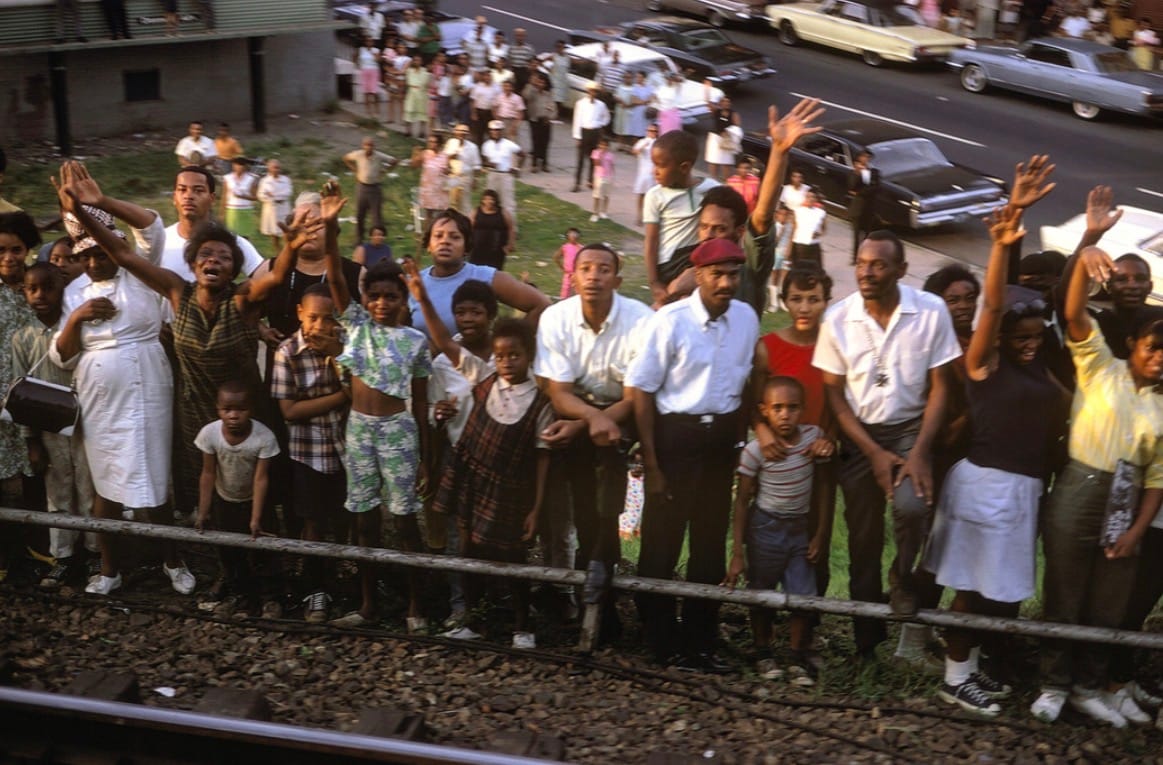
Baltimore saying goodbye to Bobby Kennedy. Taken by Paul Fusco from the funeral train in 1968.
However, The Wire gave us too much of this version of Baltimore for Death of a Salesman:
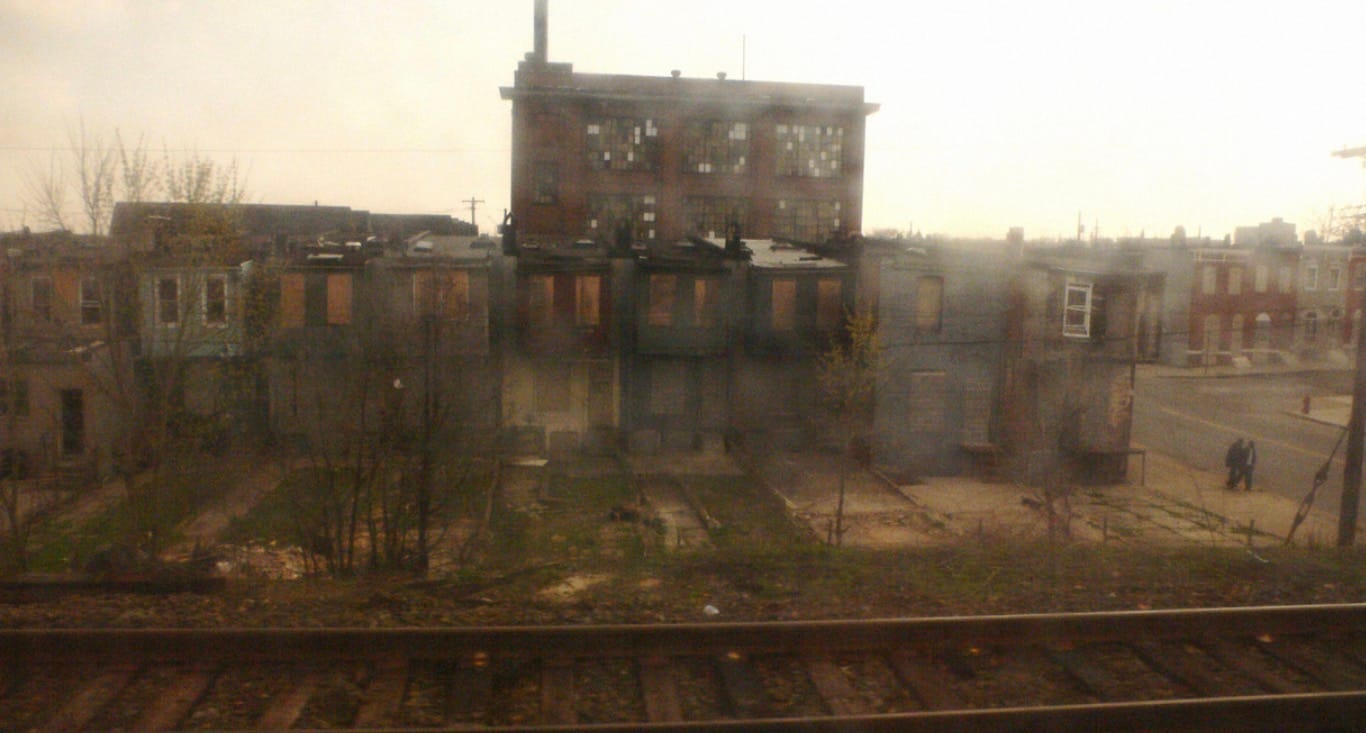
The bricks in Death of a Salesman can remind us of whatever city, but they must be very specifically Brooklyn apartment building bricks. We need strong New York imagery that speaks of boom to shake off the bricks that say bust to us. I gave myself a memory tour of Baltimore aided by Google Earth. I don’t see any Loman households in Baltimore. If I did this show in Baltimore, I would not look around, I would use the Trump home/ original set design.
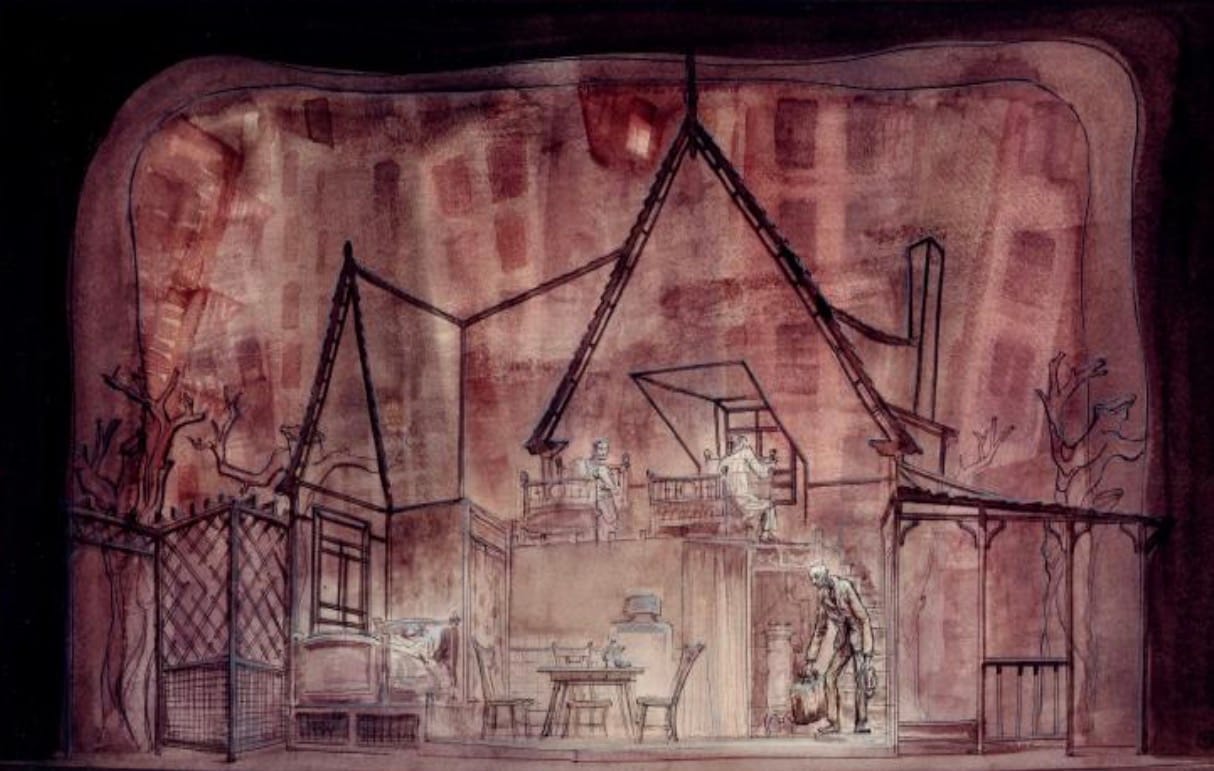
New York and New Yorkers were aiming so hugely high. If we are going to understand the appeal of the man in the white house; understand the “punishing — and particularly American — interplay of panic and achievement” that Arthur Miller loved and admired in these hustlers we definitely need to see some of this sparkly subtly New York dream. Bricks all around, yes, but Willy’s castle must point at the sky.
We can feel great about having sympathy for Willy, who lives in this house-that-Trump built and was ruined by it; while having antipathy for Trump, for whom that house and the Willy’s of the world were his bottom rung to be stepped on.
The Wendell Pierce Death of a Salesman used to be available online…there is a great video record of that performance somewhere…while I am searching for it, I might do a little rewatch of The Wire. Let me know if you need a DVD box set or an Apple TV code to binge with me.