Still Not Baltimore
Death of a Salesman is the great American tragedy…written by a New Yorker…about New Yorkers…set in New York…played by…Baltimoreans.
Of course Arthur Miller’s Death of a Salesman takes place in Brooklyn, not Baltimore. Most of us know that. Before I think about what works about all of the Death of a Salesman productions I have seen, though; I am going to have to parse out the Baltimore preamble of 2 of our 3 most recent Willy Loman’s.
The 2009 Willy Loman, Charles Dutton, was from Baltimore. Charles is why we all know Baltimore as well as we do. The events are easy to follow. They go like this:
- 1991 - 1993: Charles Roc Dutton stars in a show set in Baltimore about a character he helped create and lend his name to: Roc.
- 2000: Charles Dutton directs and co-produces a mini-series based on a book about streetlife in Baltimore called The Corner. David Simon co-produces and co-writes.
- 2002 - 2008: David Simon produces a five season series about the drug trade, schools, politics, docks and newspapers in Baltimore called The Wire. He sets it in Baltimore because of his experience working there with Charles Dutton. Wendell Pierce co-stars as a police officer in The Wire, based on the real Baltimorean police officer Oscar Requer.
- 2009: Charles Dutton chooses Willy Loman as the character he would like to play as his big return to theater after twenty years of tv and movies.
- 2022: Wendell Pierce chooses Willy Loman as the ”high water mark of his career” return to theater, as well.
Baltimore is our back-story for both of these Death of a Salesman’s. It occurred to me last week that New Yorkers spin big dreams at a higher rate than the rest of us. Willy Loman’s dillusions are not unique to New Yorkers, they just seem to produce Willy-sized dreams and consequent disappointments more frequently than most municipalities…for example, Baltimore.
So, last week we looked at Wendell Pierce and Roc Dutton.
I discovered in my wanderings that Brooklyn and Queens from 1900 to 1940 did look a lot like Baltimore and other woodsier parts of the NorthEast. All of the architecture and signage we can see in Baltimore in the opening credits to Roc, for example, look a lot like Brooklyn on the cusp of the really intense building boom.
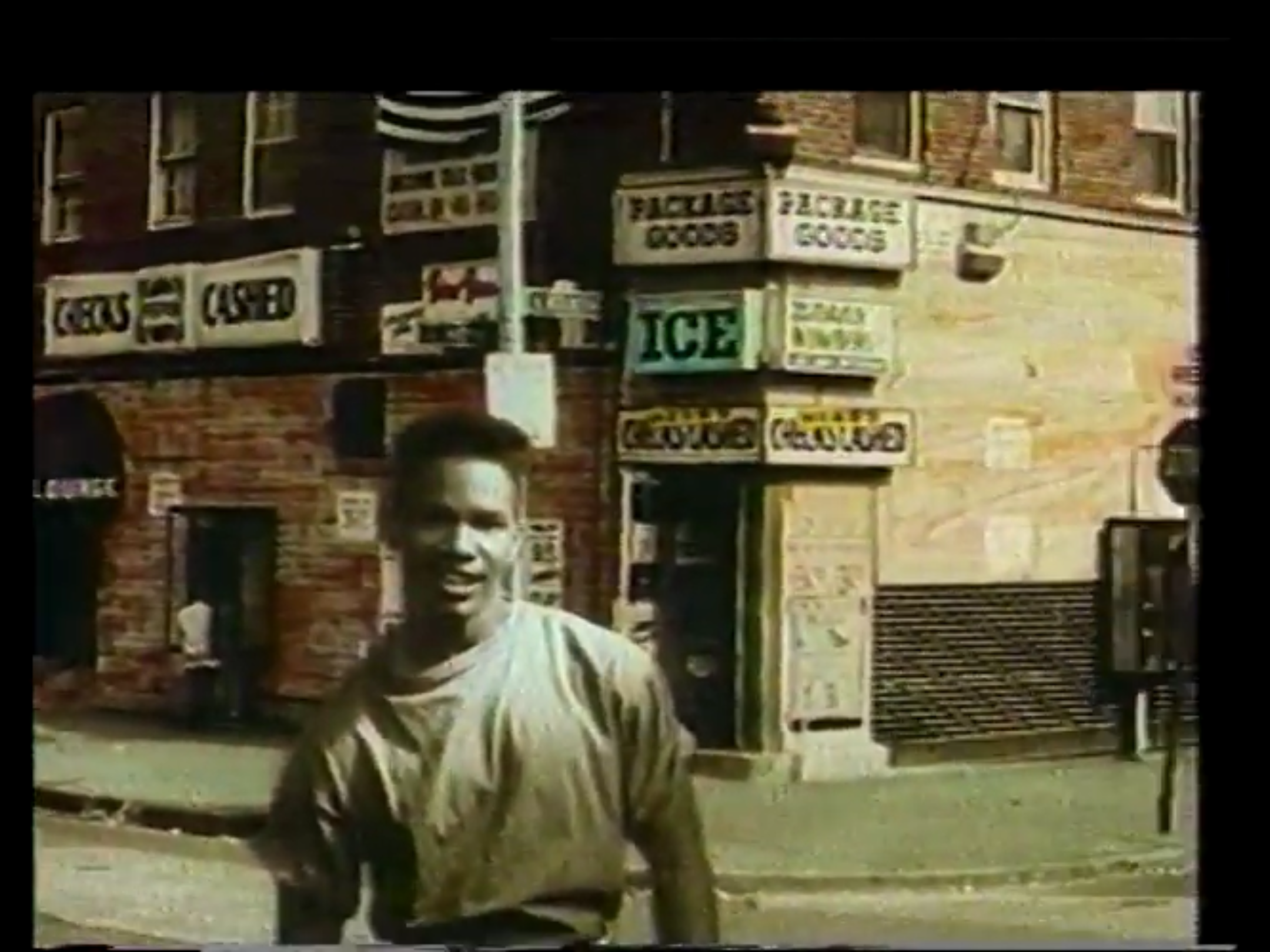
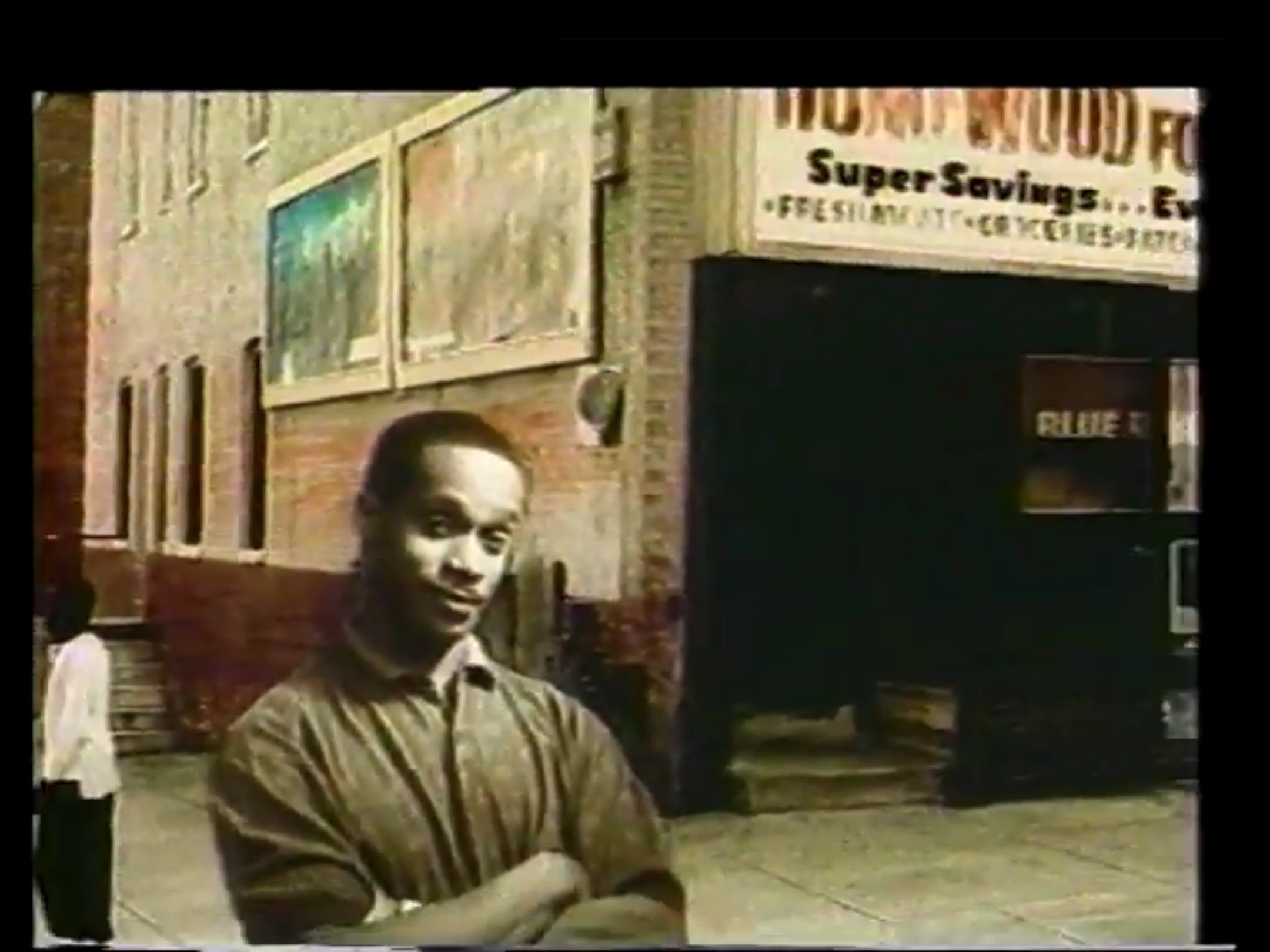
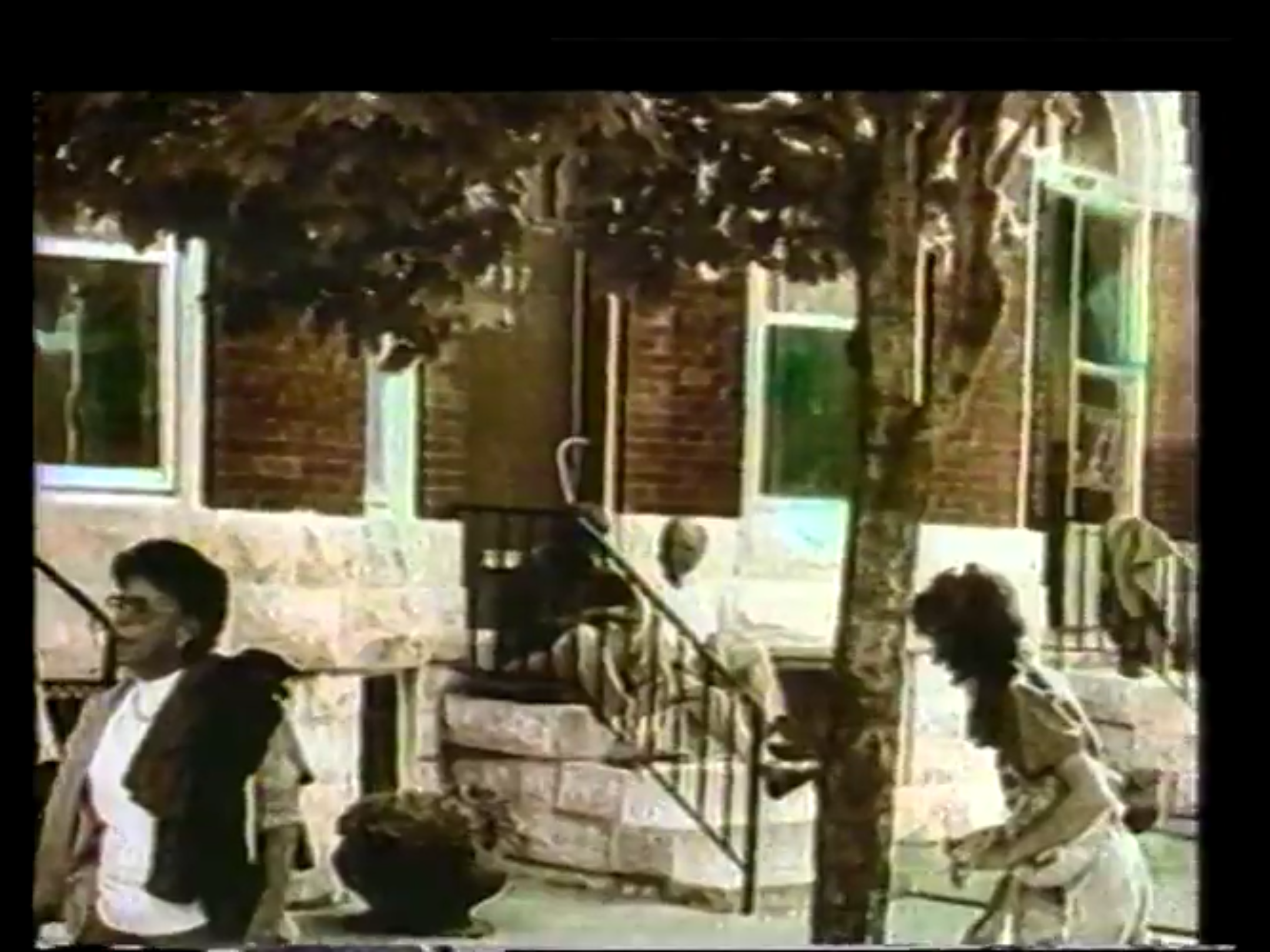
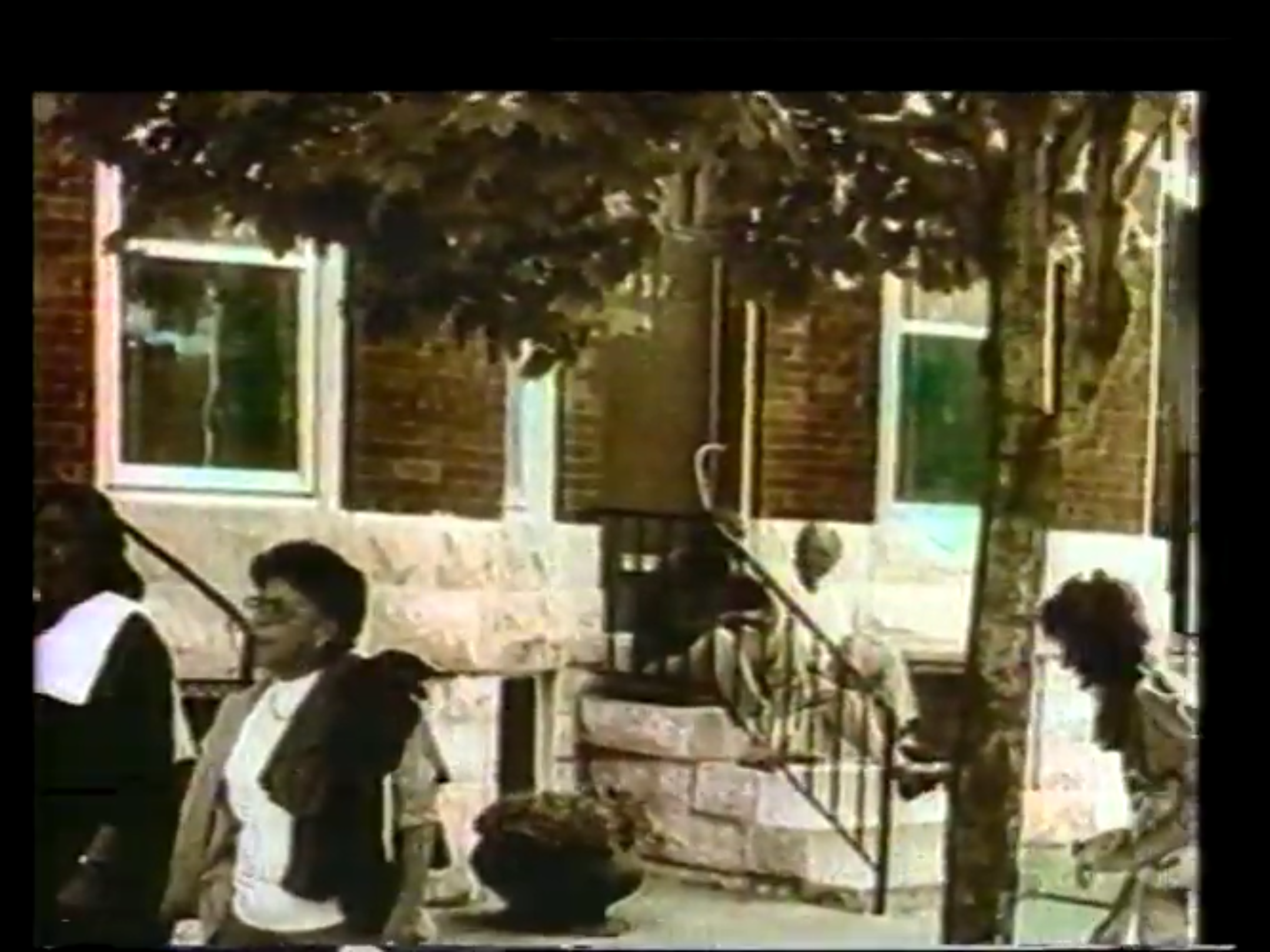
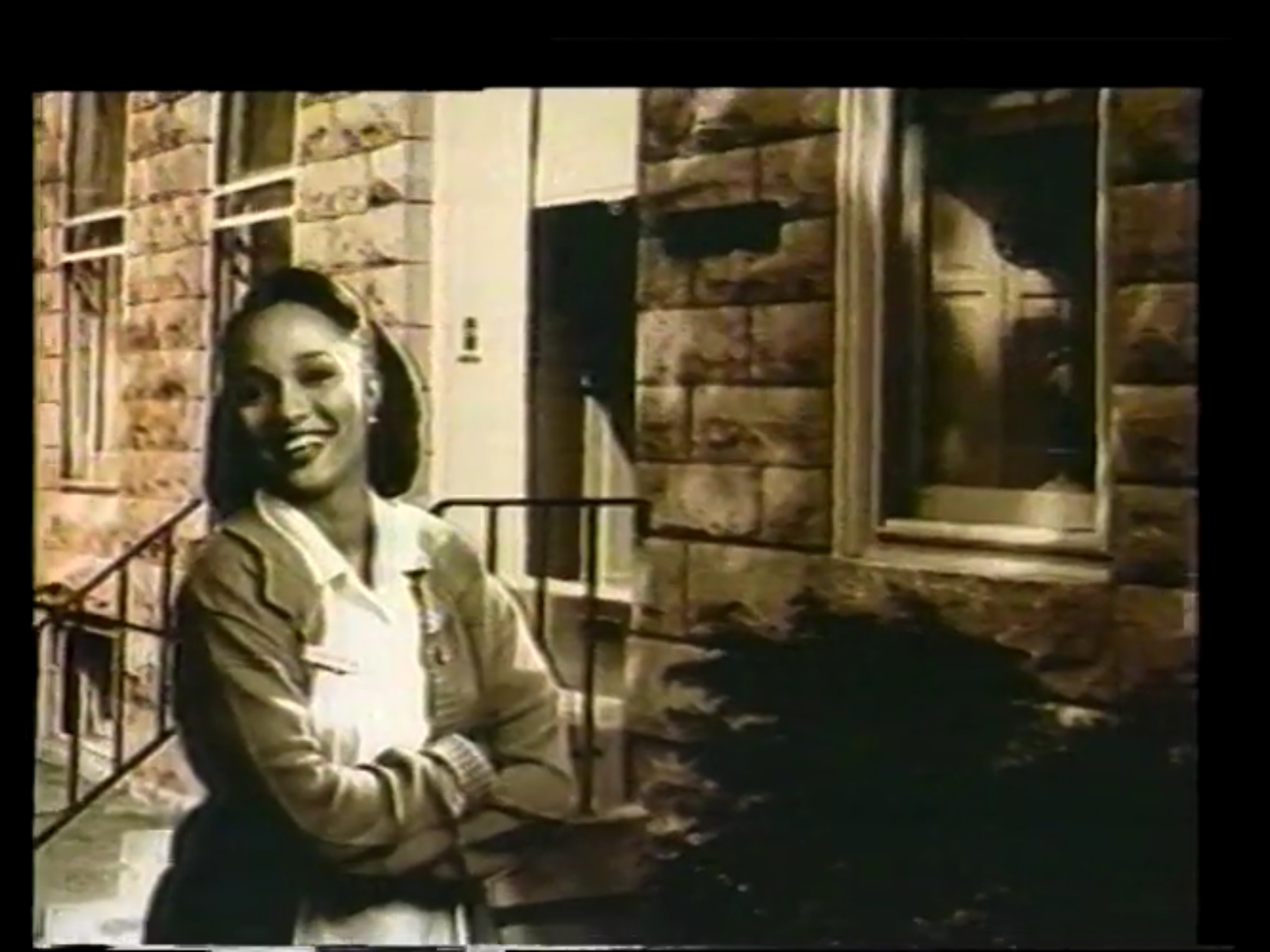
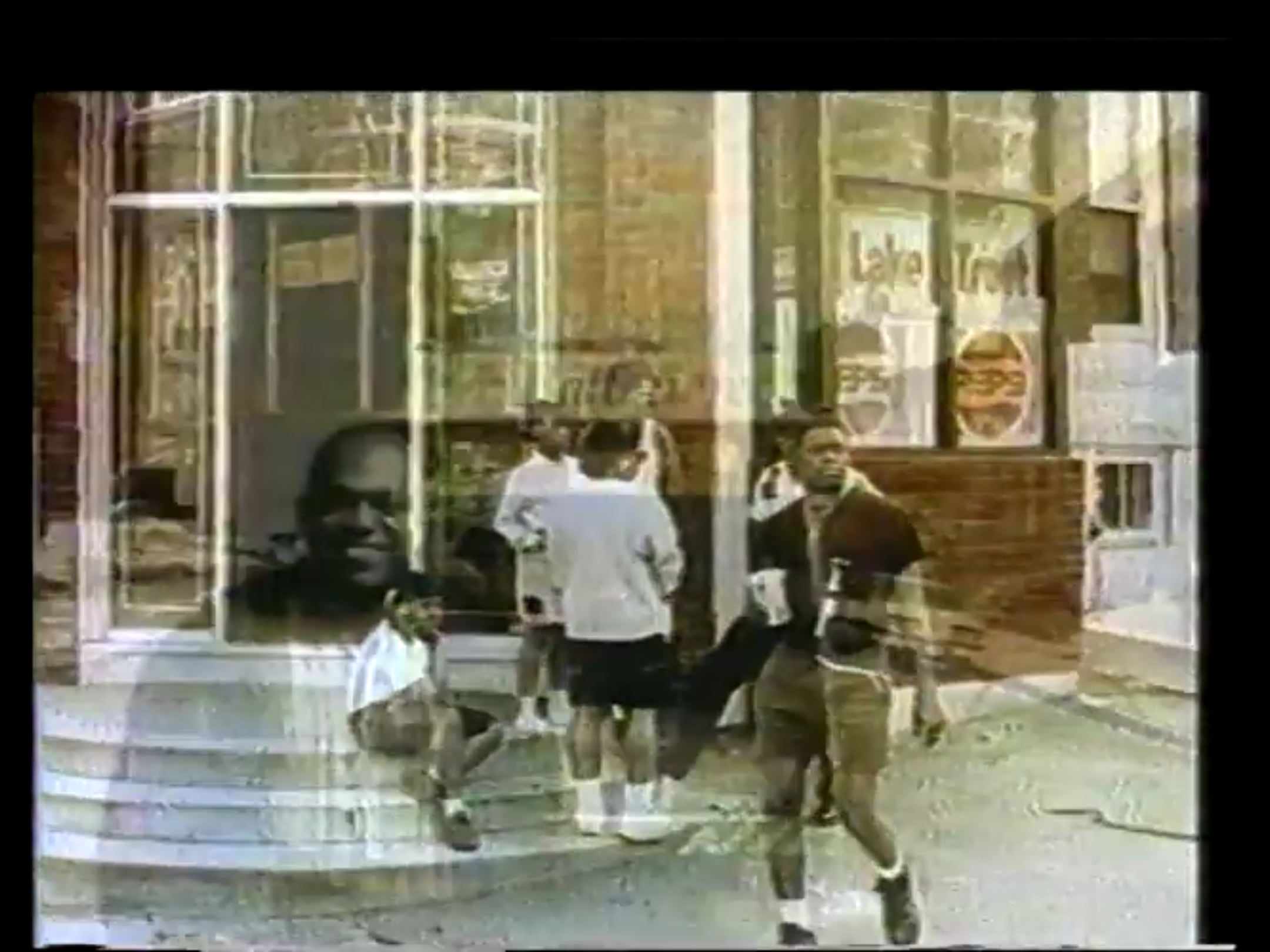
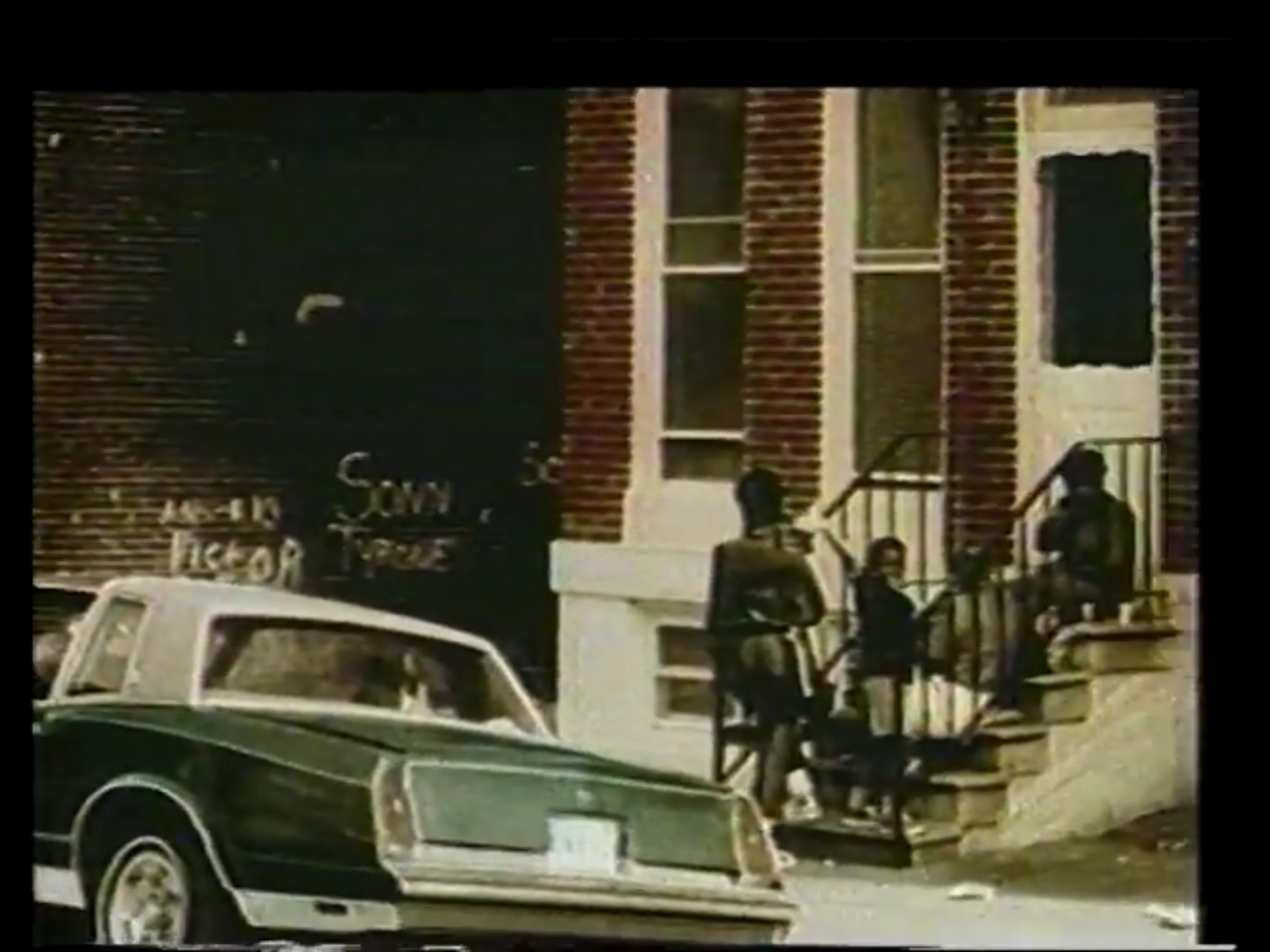
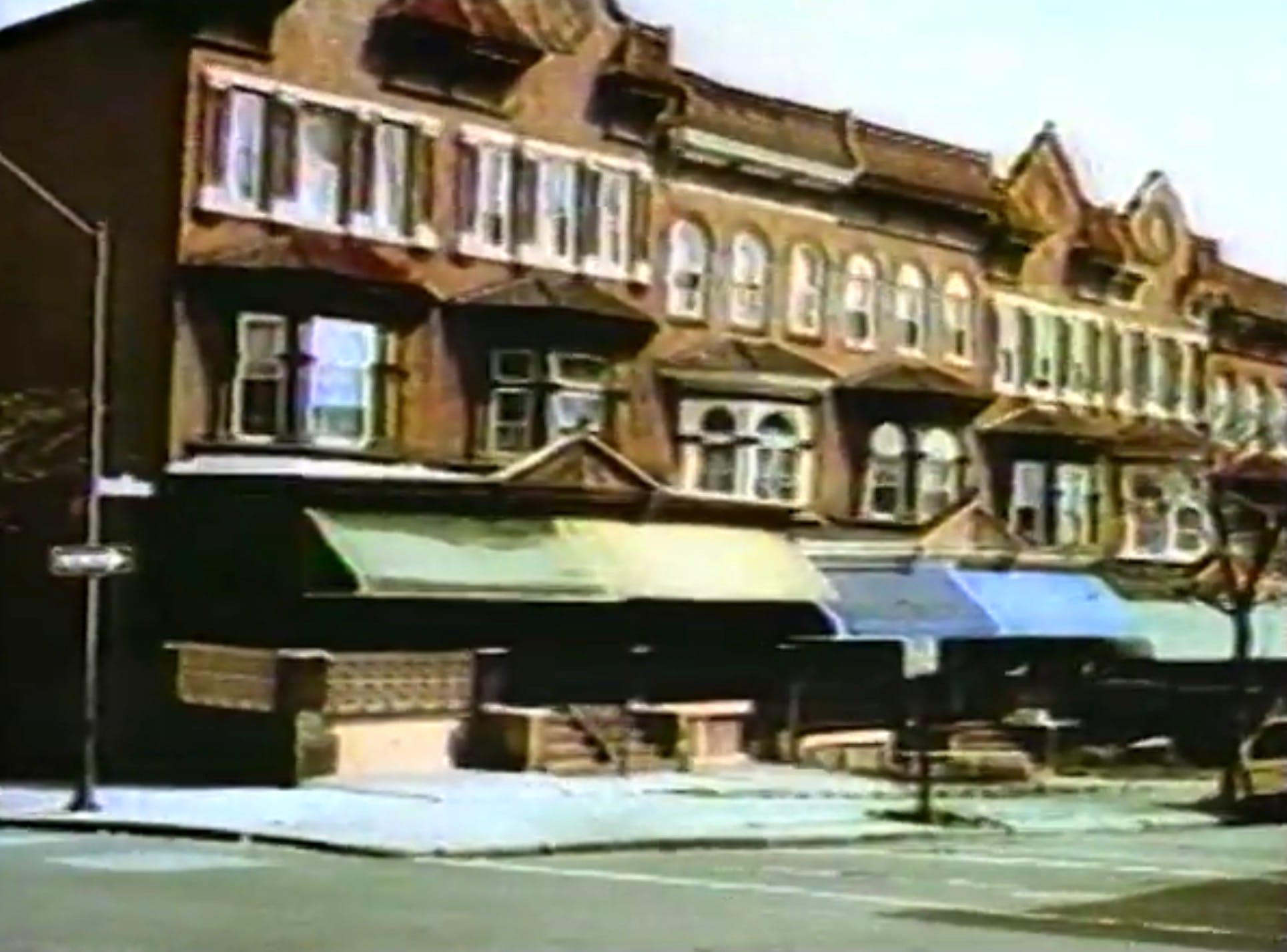
This is excellent baggage to drag into a production of Death of a Salesman! Those colorized photos look like the backdrop to the original production!
…but…!…as close as the above comes to Arthur Miller’s America….I do think we need to shed Baltimore’s post-1940 history to access the particularly New York City aspects and details of Willy’s post-1940 trajectory. Willy’s story certainly could have happened in Baltimore, but it would have looked a little different. And! It happens that the way that the USA does capitalism and government right now is the product of a very New York City pedigree. So, when we get specific to one locality we, paradoxically, get a storyline that is pertinent to all of us right now.
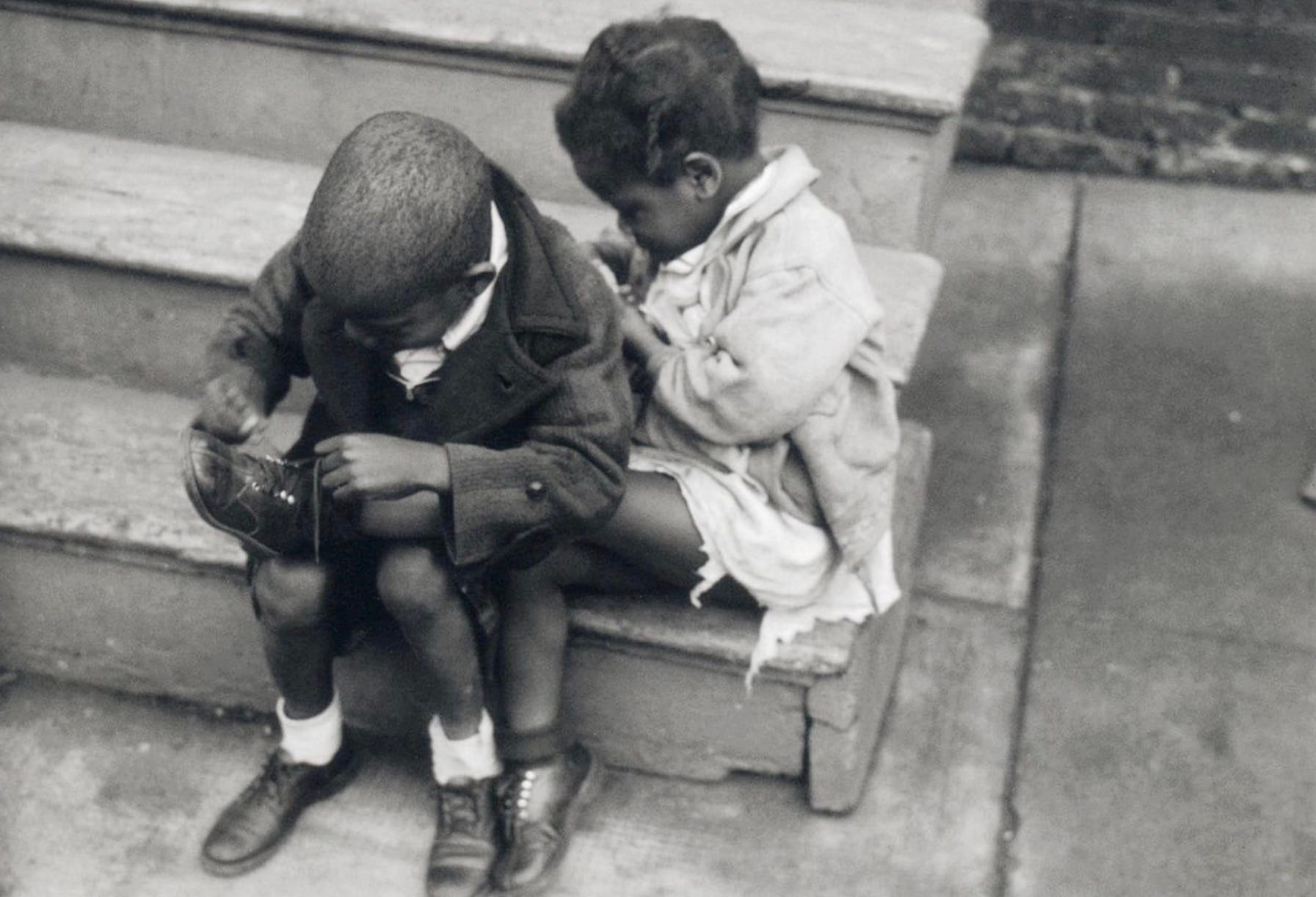
I found a great photographer that we will look at for inspiration images over the next several essays, Arnold Newman, that happens to have worked in Baltimore before settling in NYC! This is what he noticed in Baltimore that he thought worthy of capturing:
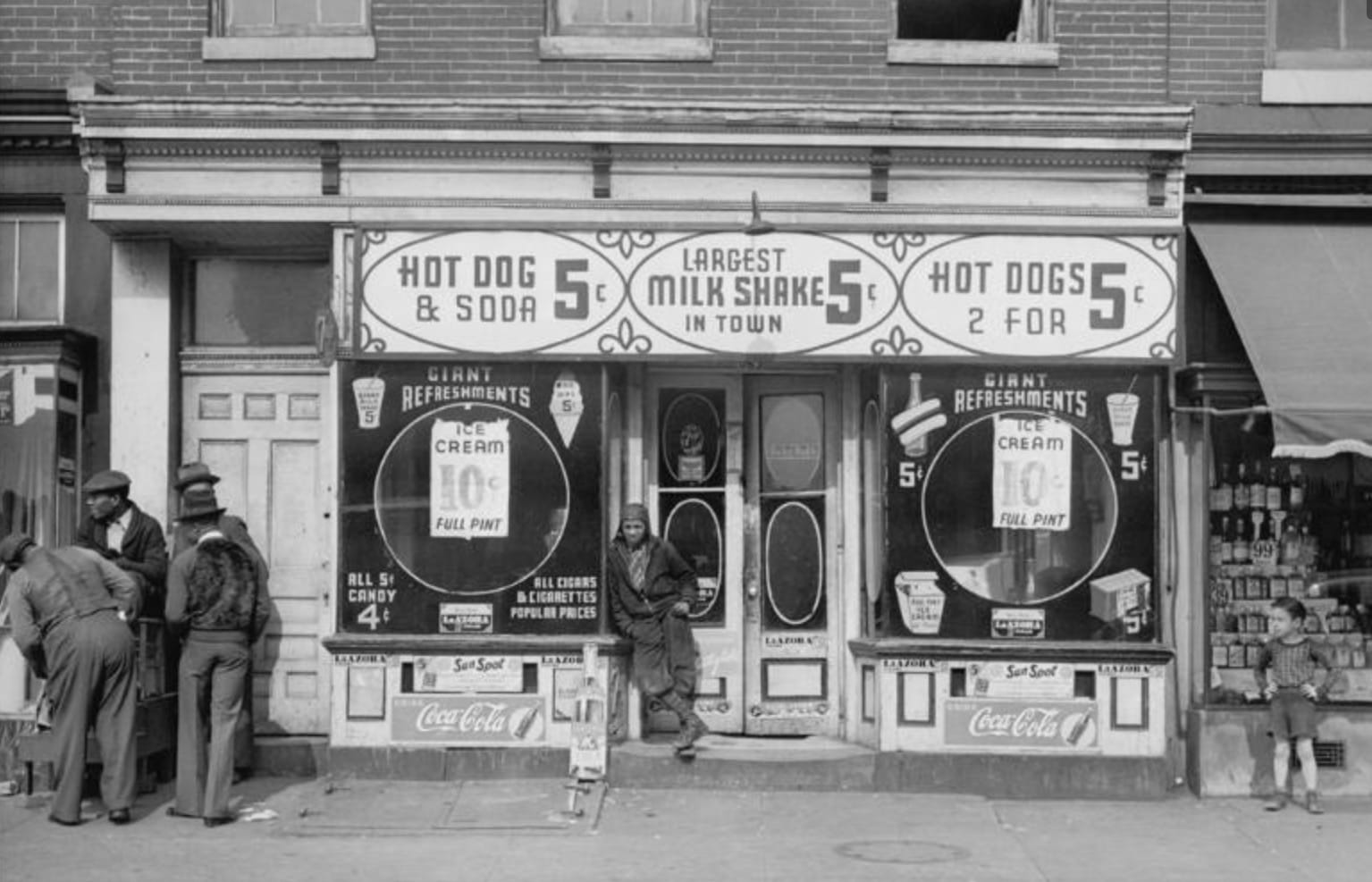
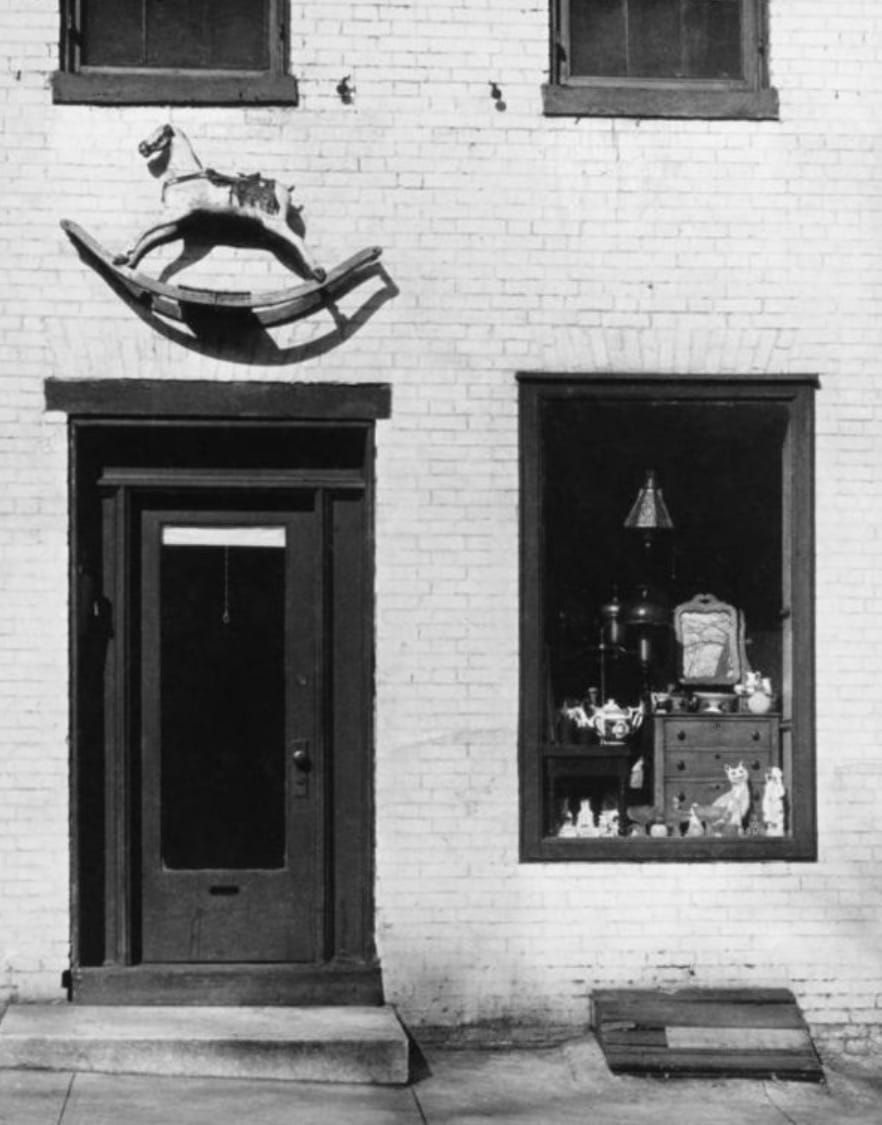
Hmmm….no mention of lake trout in the store signs. I saw lake trout on no less than 3 store windows in the Roc opening credits montage.…because of that omission, I can’t see anything in this image that says Baltimore, or at least says not-New York (as yet untrained eyes).
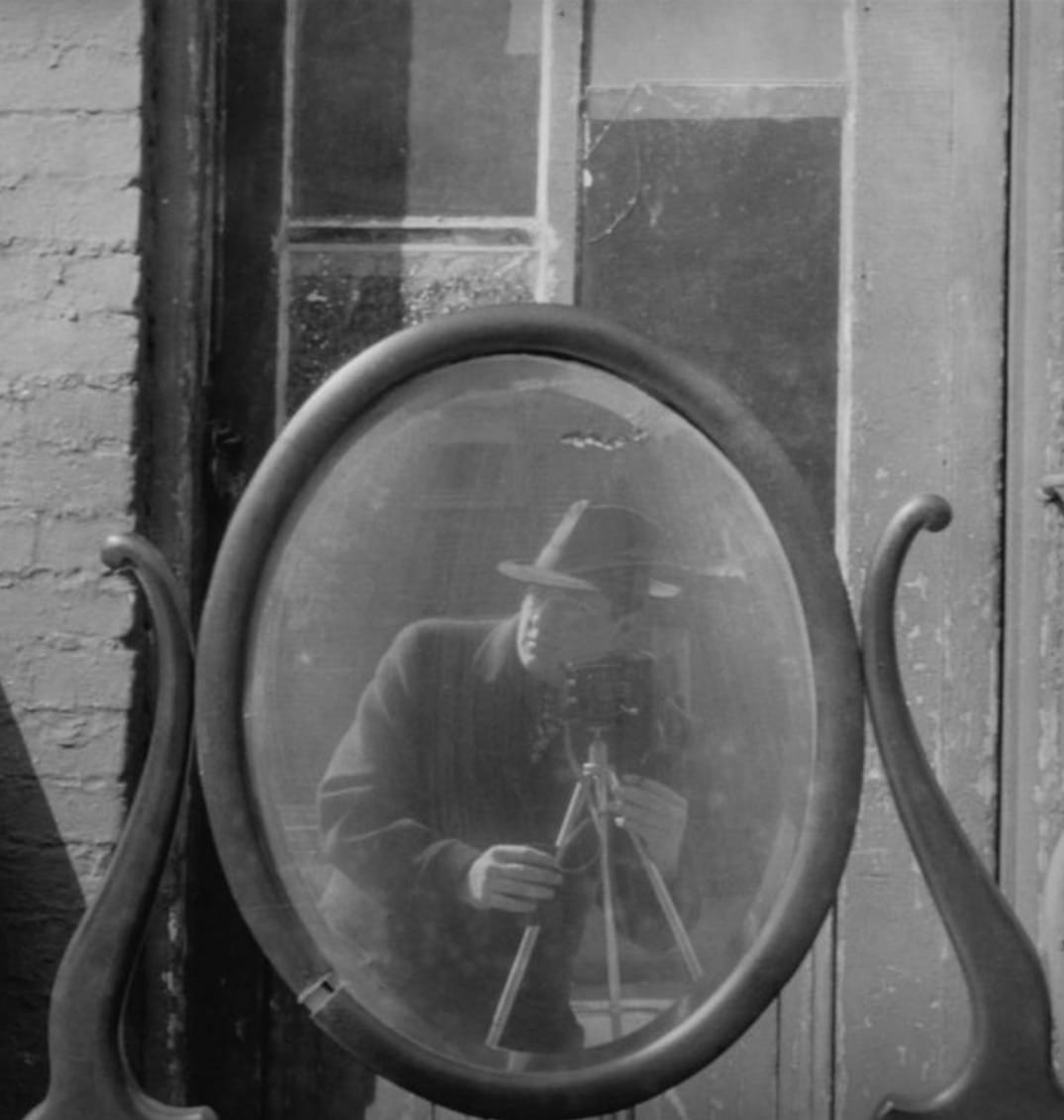
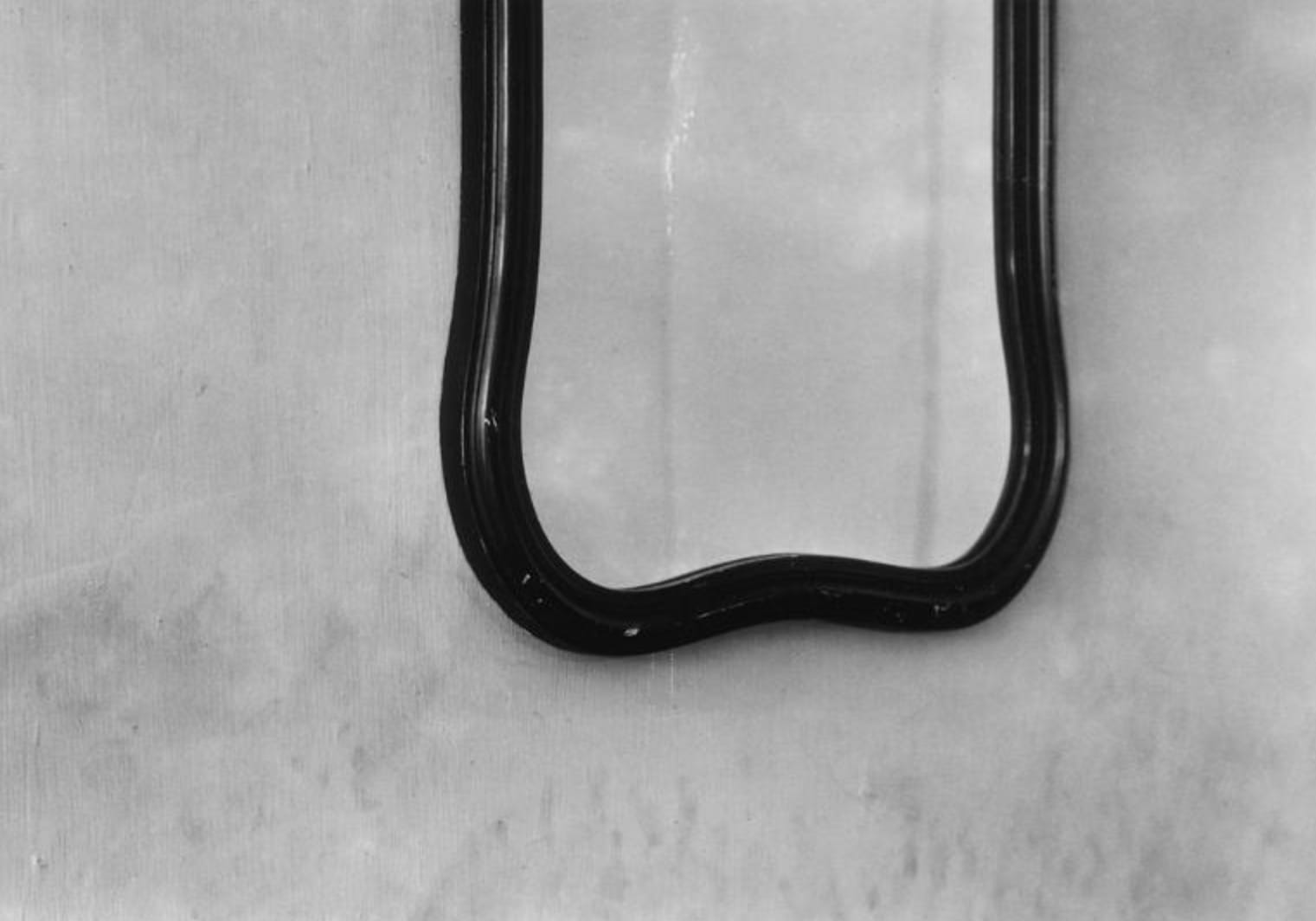
That self-portrait reminds me of that whole genre of photographers taking pictures of themselves in store windows — but Baltimore provides mirrors! I, too, love some furniture on the street photos. Domestic stuff out of place = sad and unsettled. Curvy 1940’s furniture.
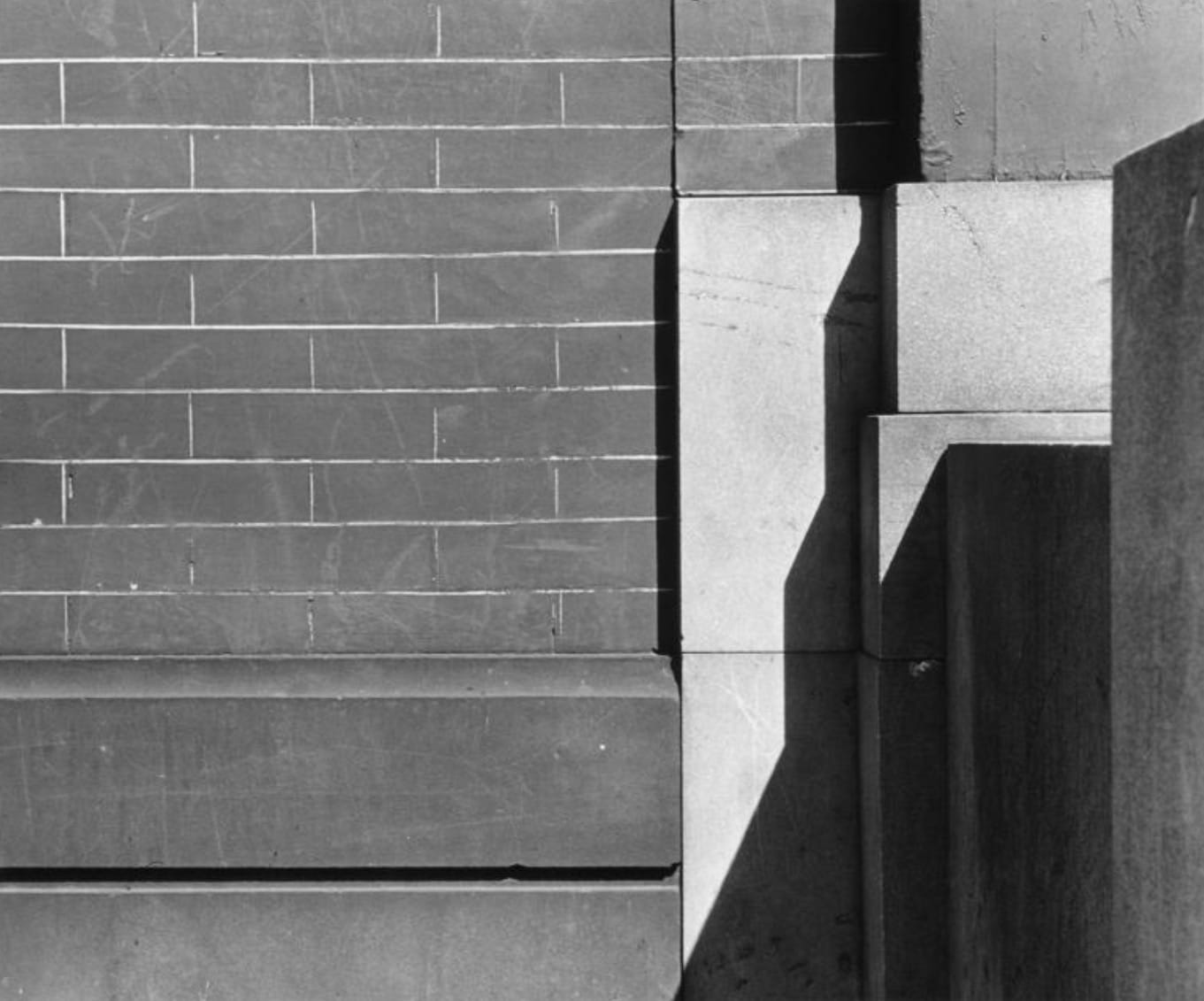
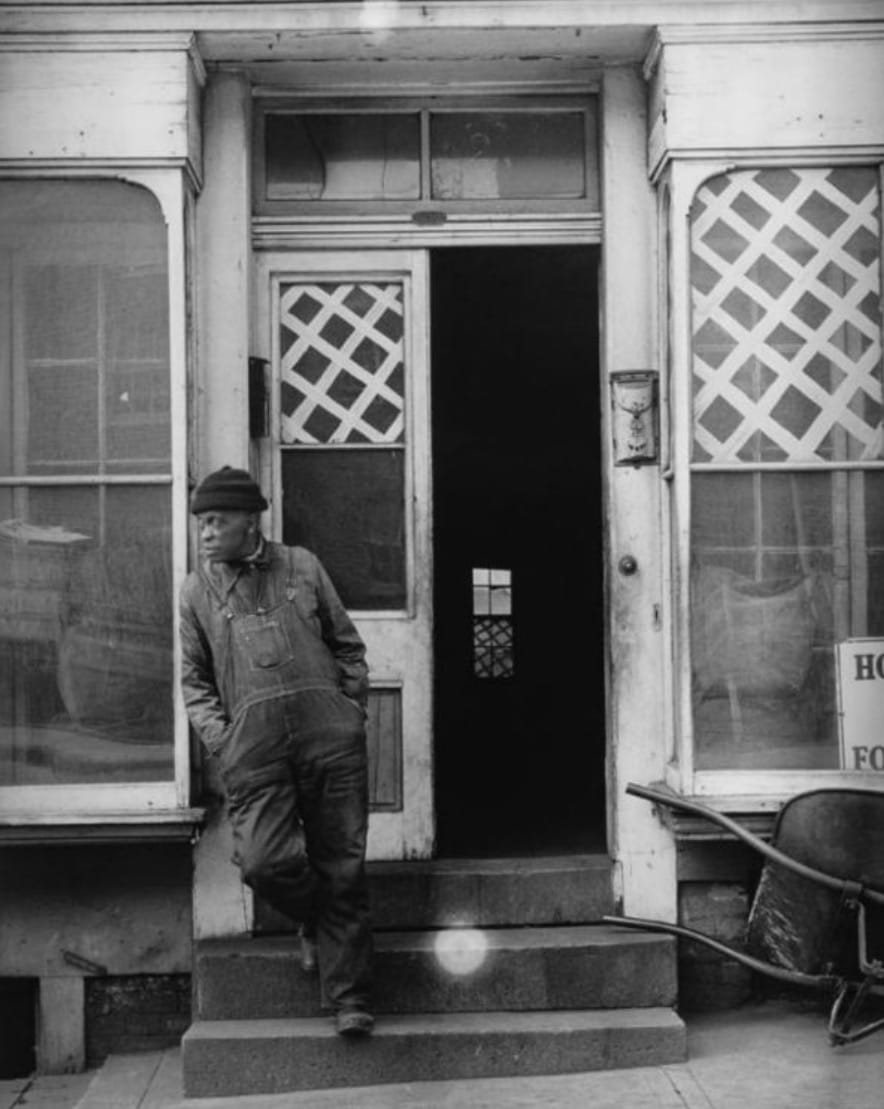
These are actually two Death of a Salesman patterns: bricks and latticework. In both of these the shapes are painted on (right? Are those real bricks with thin mortar? Or is that etched fake bricks?). In the original set there is fake latticework for the side of the set where it is the side yard — I think to provide some coverage as the actors enter. It looks like the shop owner above painted or taped those hatch lines for coverage? To strengthen the screens or glass? See the one in the back, too? This is going to sound like a stretch…but experience tells me that this is important — you have to decide where and when you are doing something real, and when you are doing something fake. In theater it is hard to build a real brick wall onstage…so heavy! So we paint fake bricks, or order foam “brick-faces”. Sometimes we try very very hard to make those bricks not only look real, but look really heavy. But, sometimes we choose fake. The original set seems to have chosen fake … but, I was still surprised by how fake looking the latticework on the original set design was.
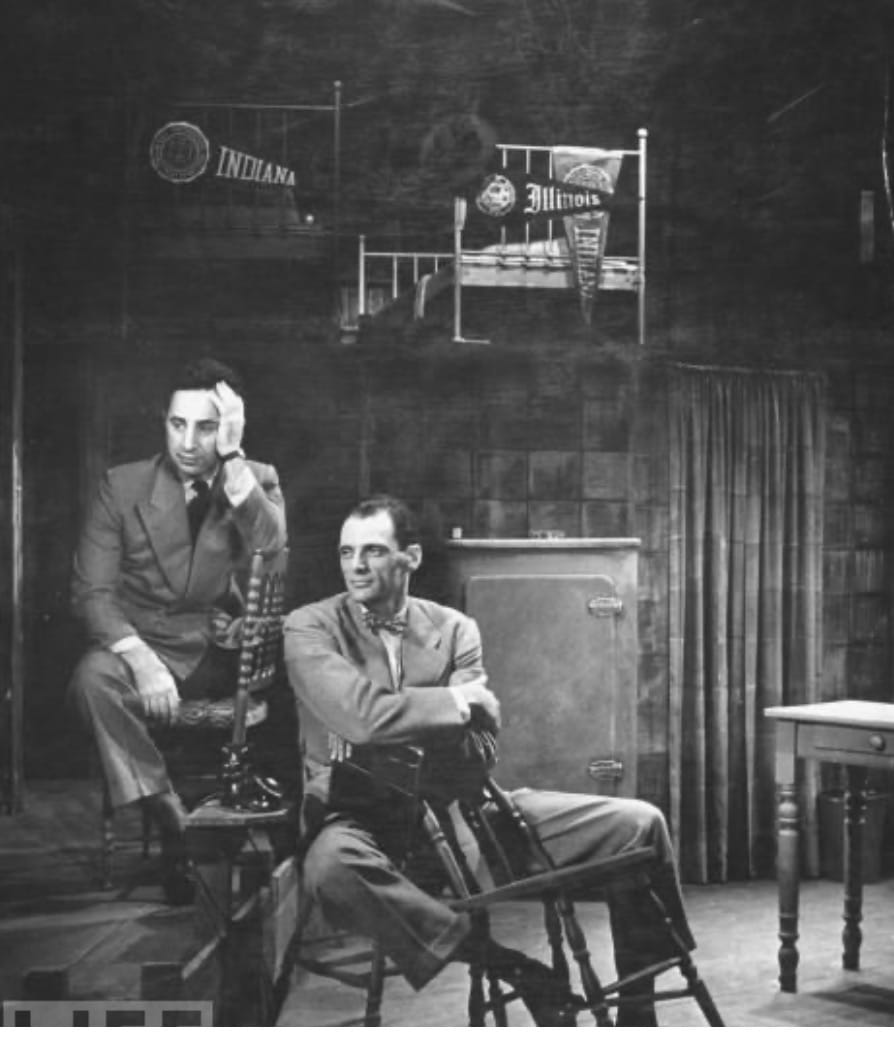
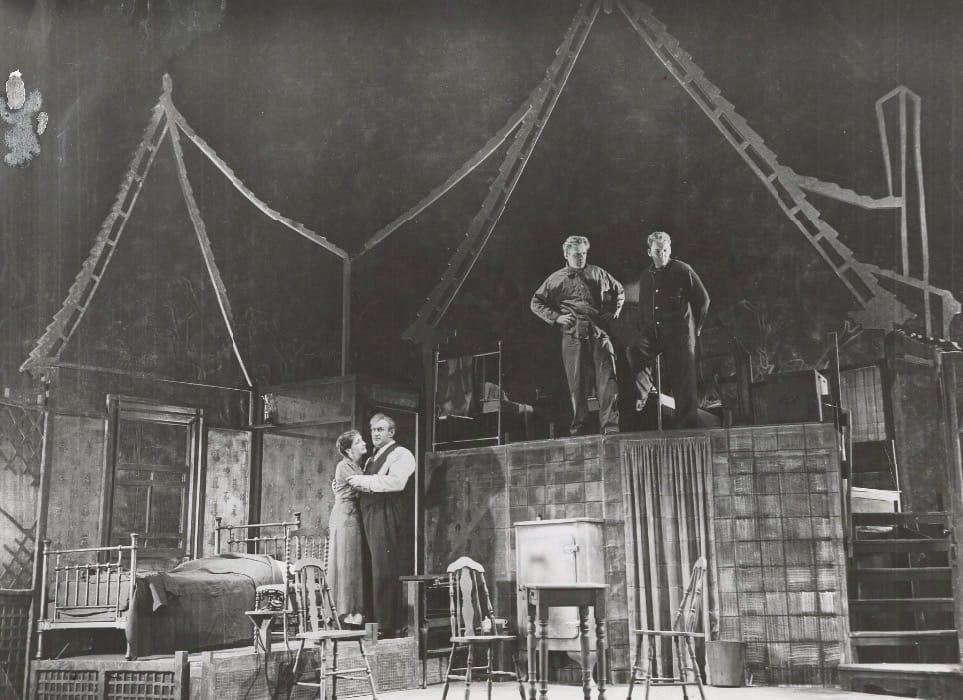
That‘s Arthur Miller and Ilia Kazan, the director, sitting on the original set. I think that those squares on the wall behind them are supposed to be tiles. I have not yet located a photo of the reproduction of the original backdrop with the bricks on it. But! I have this photo of the brick backdrop that Ming Cho Lee designed for his rendition of Death of a Salesman. Ming trained under Jo Mielziner, the designer of the original, but after he did this production.
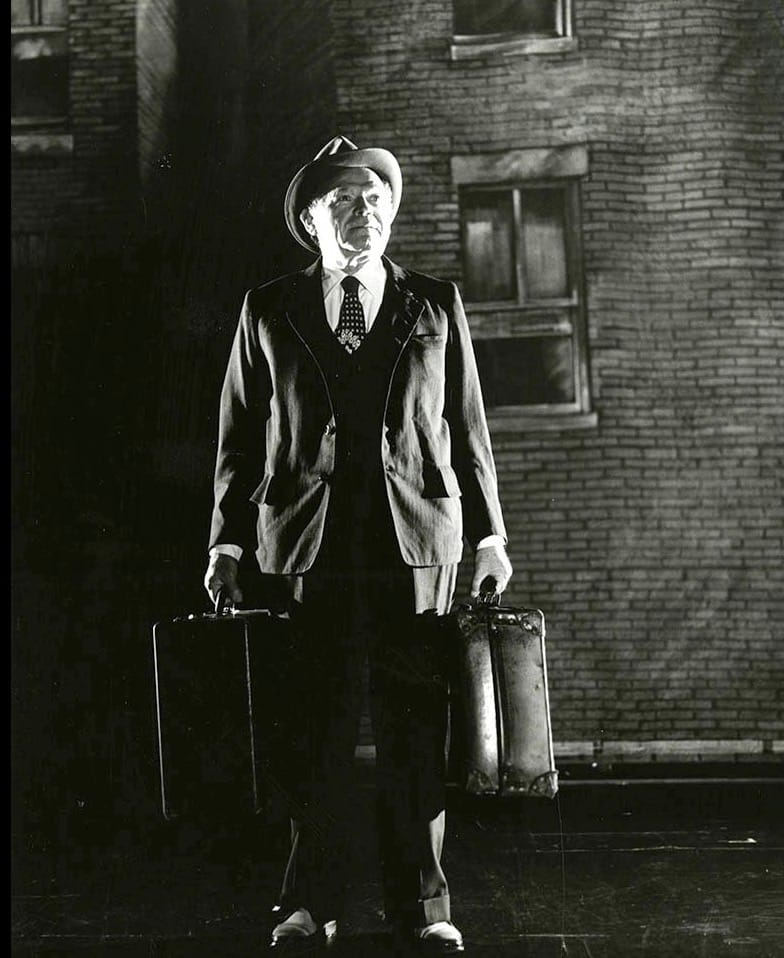
Look how wobbly that drop is! They must have done that intentionally — the bricks are supposed to disappear in the flashbacks. We should get the sense that all of the architecture of the set is transient and Willy’s memories and sense of the present are collapsed into one. A wobbly brick backdrop is acceptably fake in this show.
For me, as a costumes-first designer, this tension between real and fake is a pretty big problem. The bodies are always real. The clothing they wear can be quite “real” and regular. The stage floor is usually looking like a stage floor — never like actual ground the character is supposed to be walking on. The scenery is sometimes exactly “right” and real and sometimes quite representational. So, really, there is a big break in “reality” that happens between the soles of the actors’ shoes and the floor. And what about the furniture? Or the props actors carry, like the suitcases above?
If I were to recreate that Baltimore store front scene above, the one with the painted latticework, I would spend a ton of time making all of the hard parts out of the real stuff — like even make the windows out of the old kind of glass that breaks so nastily…no theater would let me do that…but they should for art‘s sake. You need that much beautiful reality to make the extra-sweet fake painted lattice … work. A shred of falsity on the rest of the stuff, and your perfectly replicated painted latticework will make us wonder about the whole set; is it purposely fake? Why does most of it look real? But that fern looks plastic? would these characters have fake plants? Or are we supposed to think that they are real?
Danger Zone! We should be in control or, or at least able to predict the times when the audience stops being moved by the action and the characters and starts wondering about what we were going for.
Those are all of the Baltimore photos from Arnold Newman that I have found. I am getting that Baltimore looks like a theater set! A little or a lot of painted “surface texture”. Even that store with all of the ice cream and hot dog signs would be a perfect fit for a scene shop. They would love lettering on some fake glass and replicating those signs. A mix of fake and real like the original Death of a Salesman set.
…. I would pause before adopting that approach for Death of a Salesman, though. See how differentiated the people and their spaces are from the rest of the set in this original sketch?
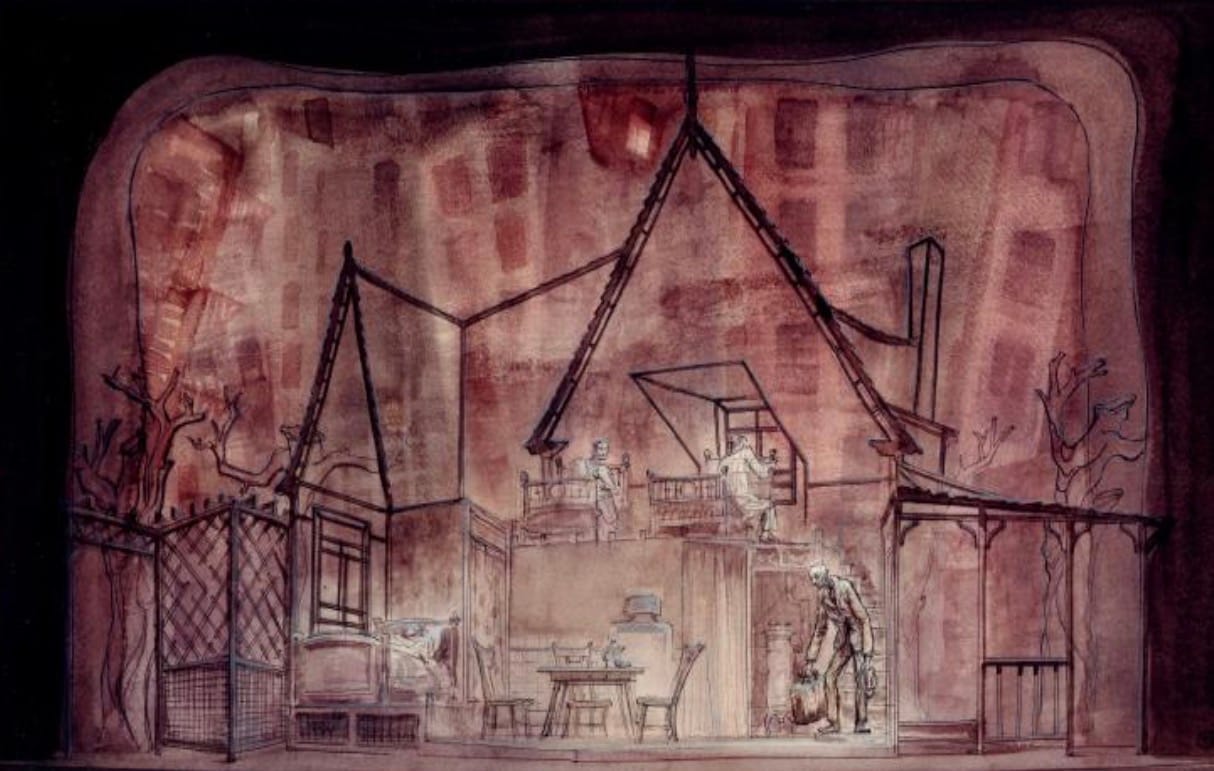
The architecture of the set including the trees is precise and black like the stage floor. The backdrop is colorful and haunting and exaggerated. The furniture that the people are on and the people themselves have the full value range, black to white and all of the greys. They glow like they and the air around them are lit by stage lights. The people and the things they touch, even with their clothed rear ends, are quite real. Everything else is Willy’s collapsed past. Not even his present reality exists in that set. He can’t really see reality. Not in his current skill set, and therefore, not in ours when we look at the set.
I know it is a leap.…but it is one I am sure about. There is something surface texture-y about Baltimore, and the Brooklyn of this play is not that. This house has line, shape and 3-dimensional volume. Those bricks have heaviness to them. The furniture has no “scene-painting” on it. Just real.
Bonus Baltimore. Best Baltimore image from Arnold Newman…best image from anyone ever anywhere…no place for it in Death of a Salesman, but let’s please find a play for it.