‘The New Woman’ implies there was an ‘old woman’
I promised an essay on India and the those “two types of women” Jackie Kennedy Onassis (the power in the bed kind of woman) and Gloria Steinem (the power in the world kind of woman). But, it has taken me a week at least to even come to a baseline understanding of the Jackie half of that power pair.
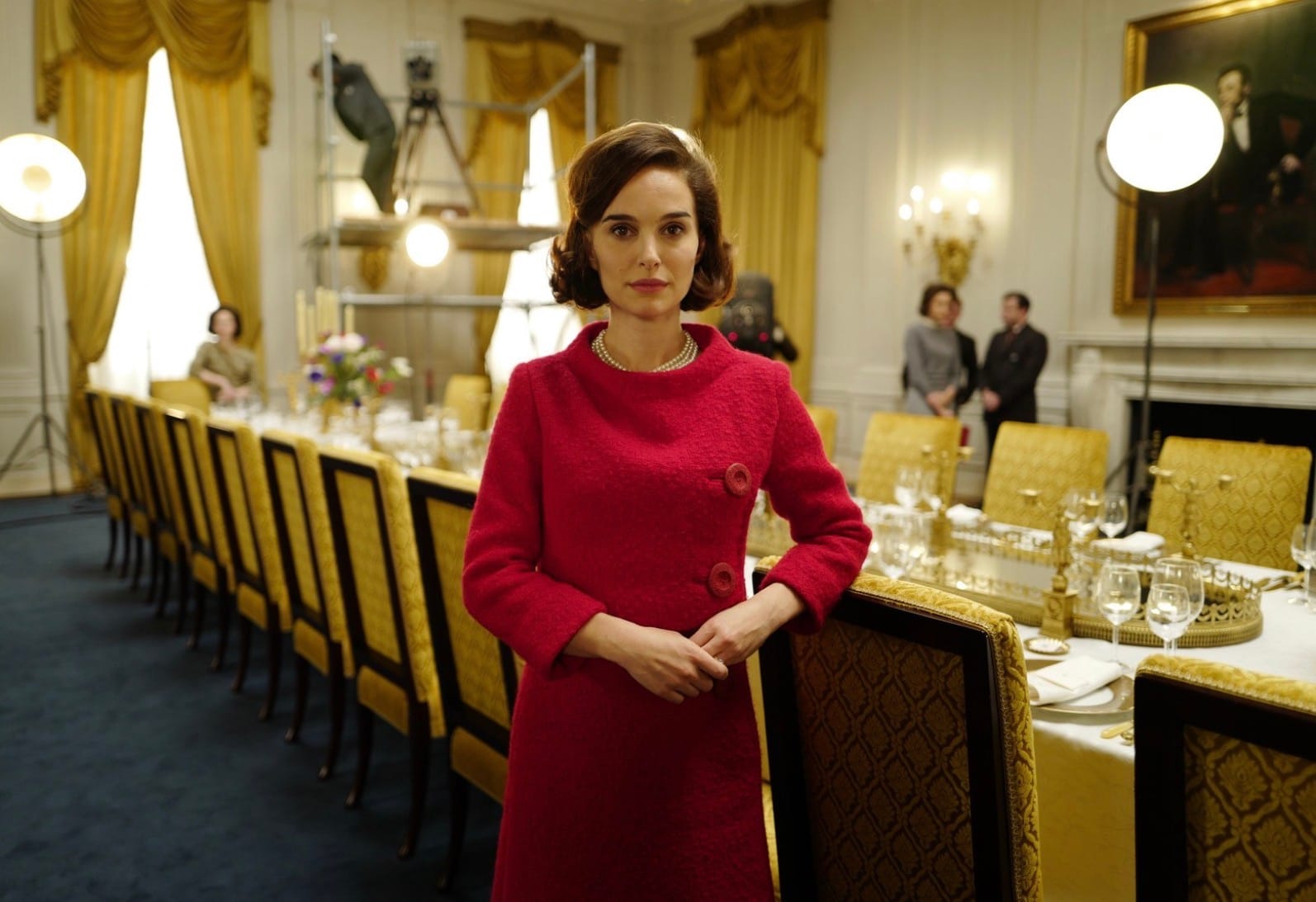
…I have to admit that the Jackie movie helped. I took the thesis statement as being something like, Jackie understood that history was transmitted in words and visuals, so her study of the US presidency, which she undertook as soon as JFK entered the White House, allowed her to choose her husband’s place in history.
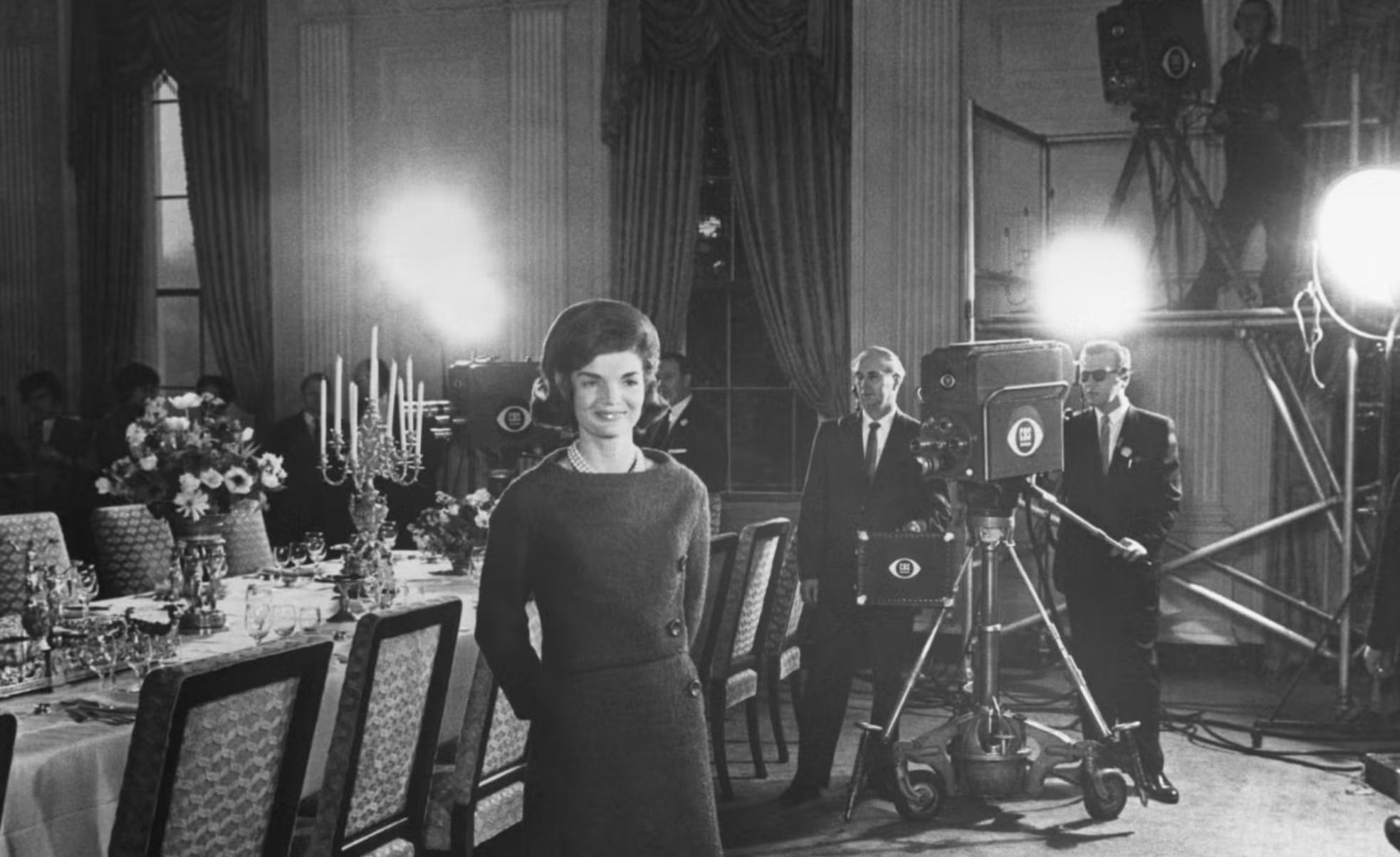
The movie was one of those perfectly handled designer’s dream movies. Focusing Jackie’s brilliance on her restoration of the White House to reflect the better parts of American history is the character background as primer for her orchestration of a heartbreaking funeral procession that gives everyone the historical context for his presidency.
Without watching the film we can get that character background watching the 1963 CBS walk through the White House that she hosts, tiny clips of the real thing are in the movie and all of it is on youtube.
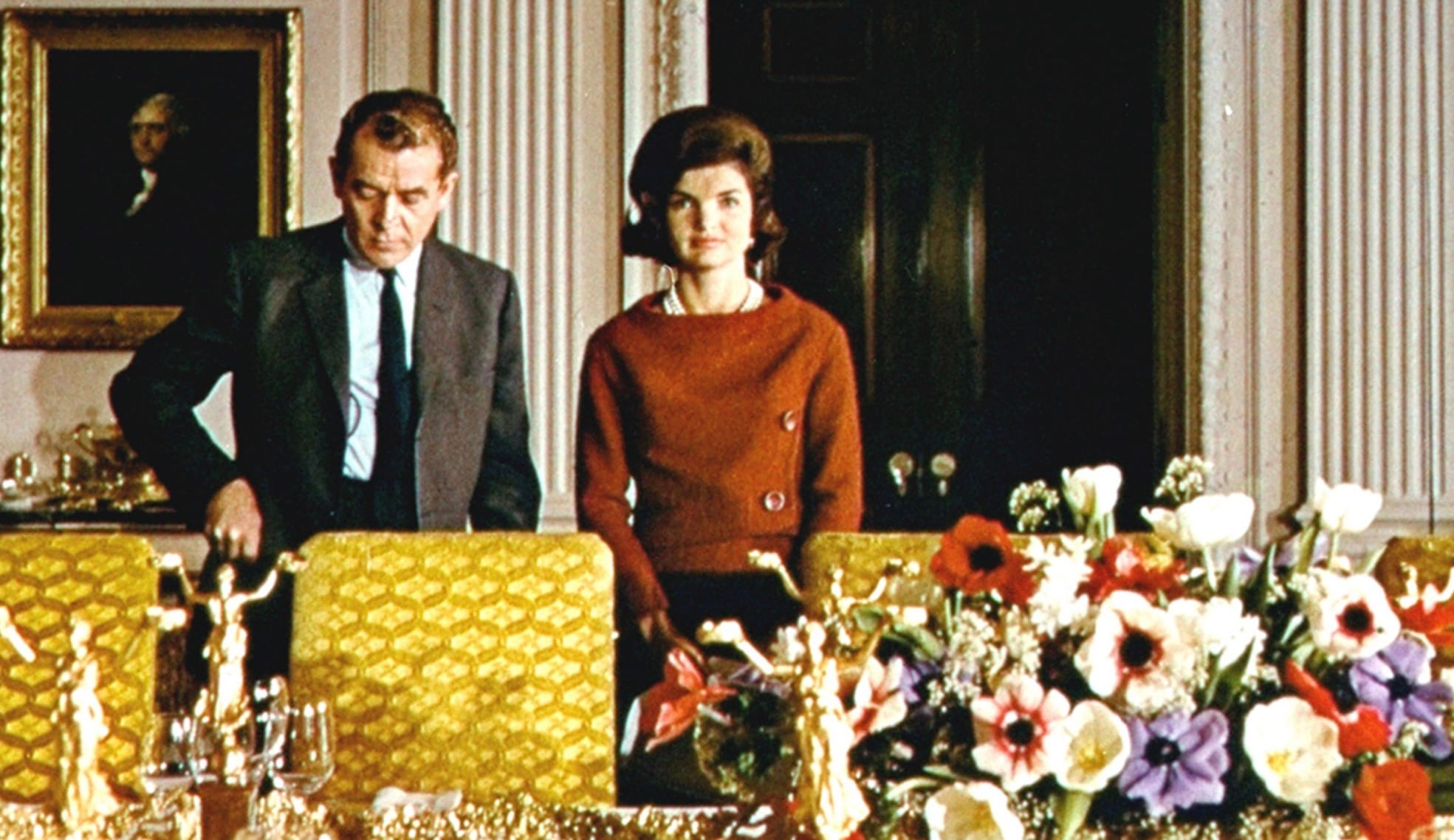
Making a movie that weaves in historical footage is the kind of design challenge that I find deeply satisfying. Hollywood fudges things more often than I like; the truth tends to be more interesting…it just requires more work to make it work in a plotline and a budget. Jackie uses the real footage and the real quotes, albeit out of order and context occasionally. Then the sets and the costumes and the locations were all designed, built and filmed with the care and love of a team that spends their days doing what Jackie did: putting a hero in context.
All of us designer/directors are alike. “Humanist” photographers are particularly useful to us, because stories are human-centered. Photographers that have named finding and capturing whatever is very ’human’ in their manifesto, i.e. Magnum photographers, are going to be the first stop for research for moviemakers…I bet that the Jackie team looked at what Magnum photographers saw in the White House while Jackie was there.
Elliot Erwitt, in his 20’s, took some standard issue president pics:
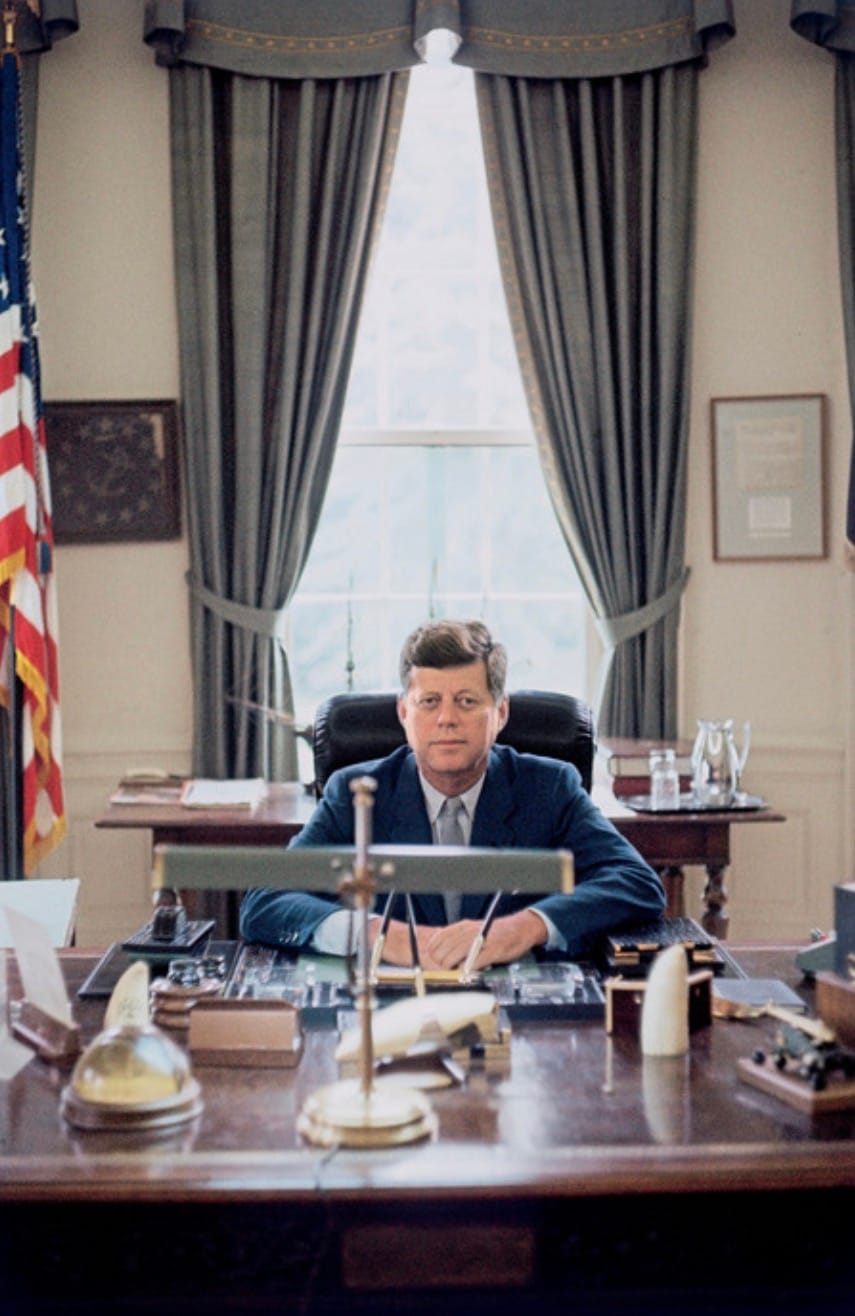
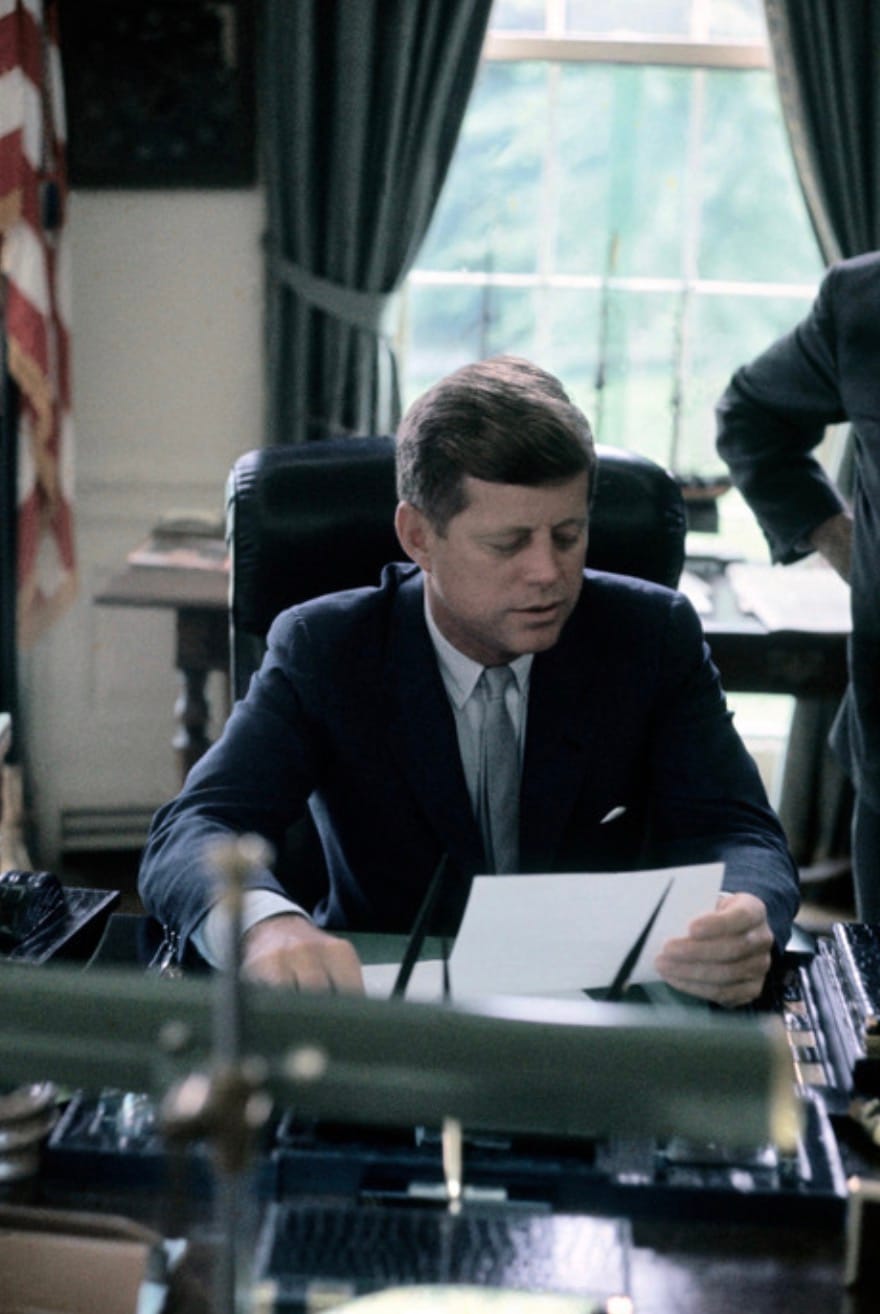
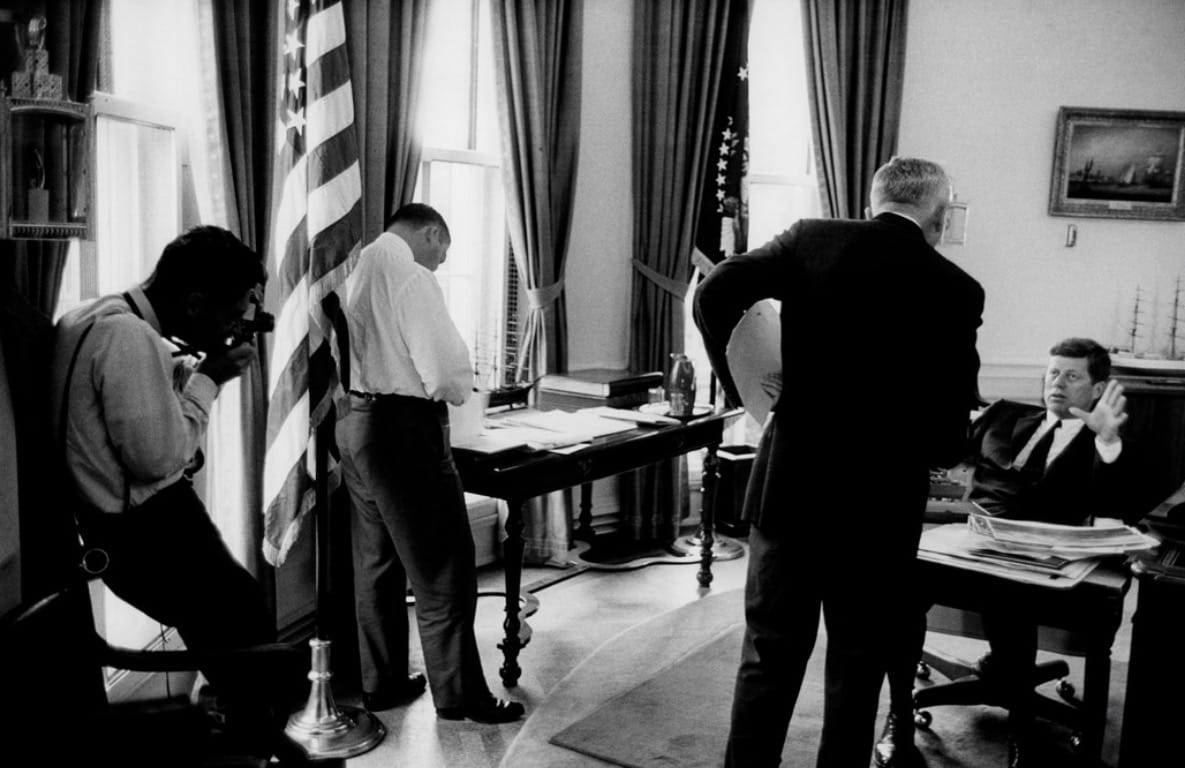
That last one isn’t by him, he’s the one behind the camera. Later on, Elliot Erwitt’s work would start to look more like the photographer who captured that photographer squat, lean, bend, breathe and snap: Cornell Capa….the godfather of snapping human history.
I think the Jackie moviemakers looked at Cornell Capa’s photo essay all together and trusted what Mr.Capa saw:
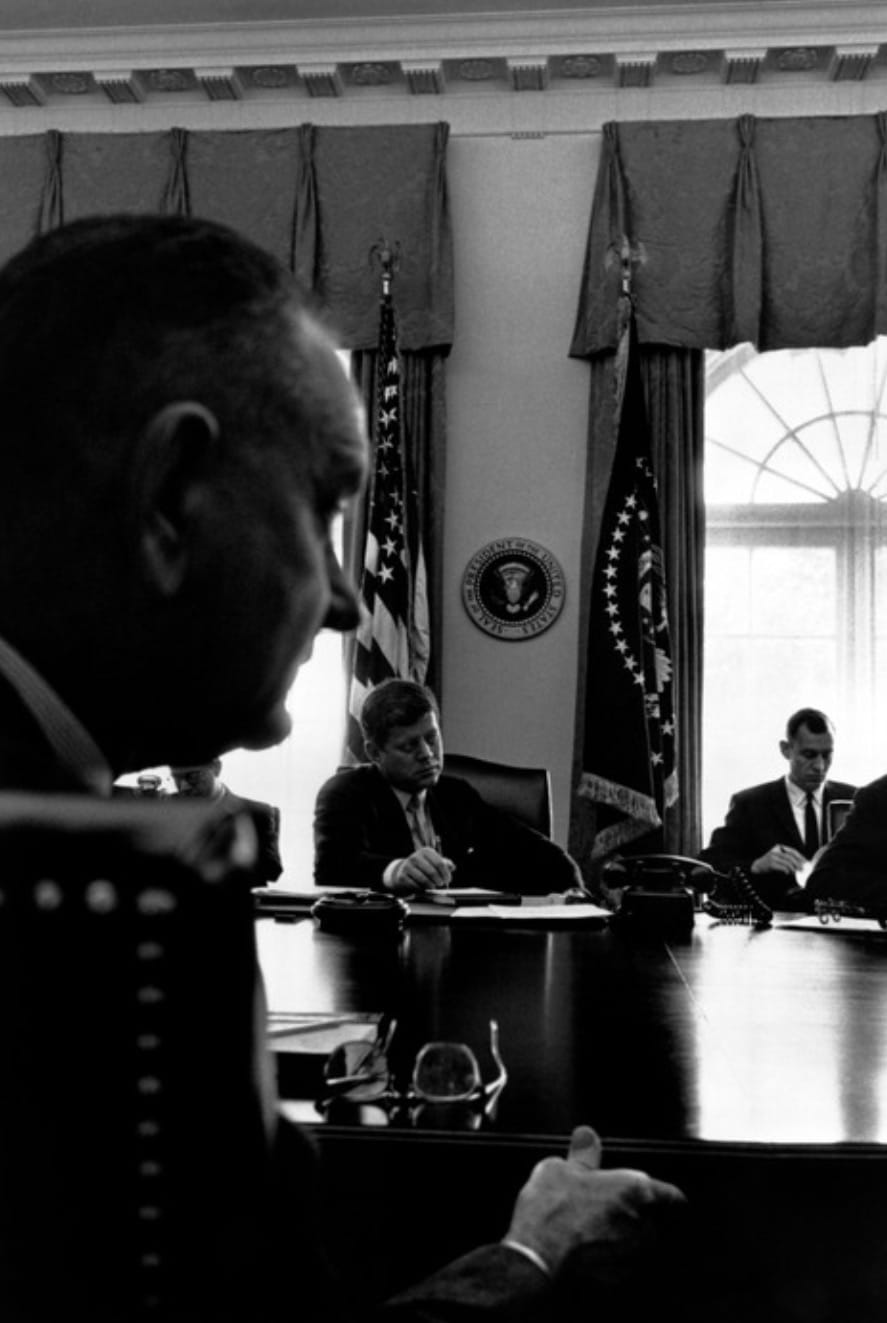
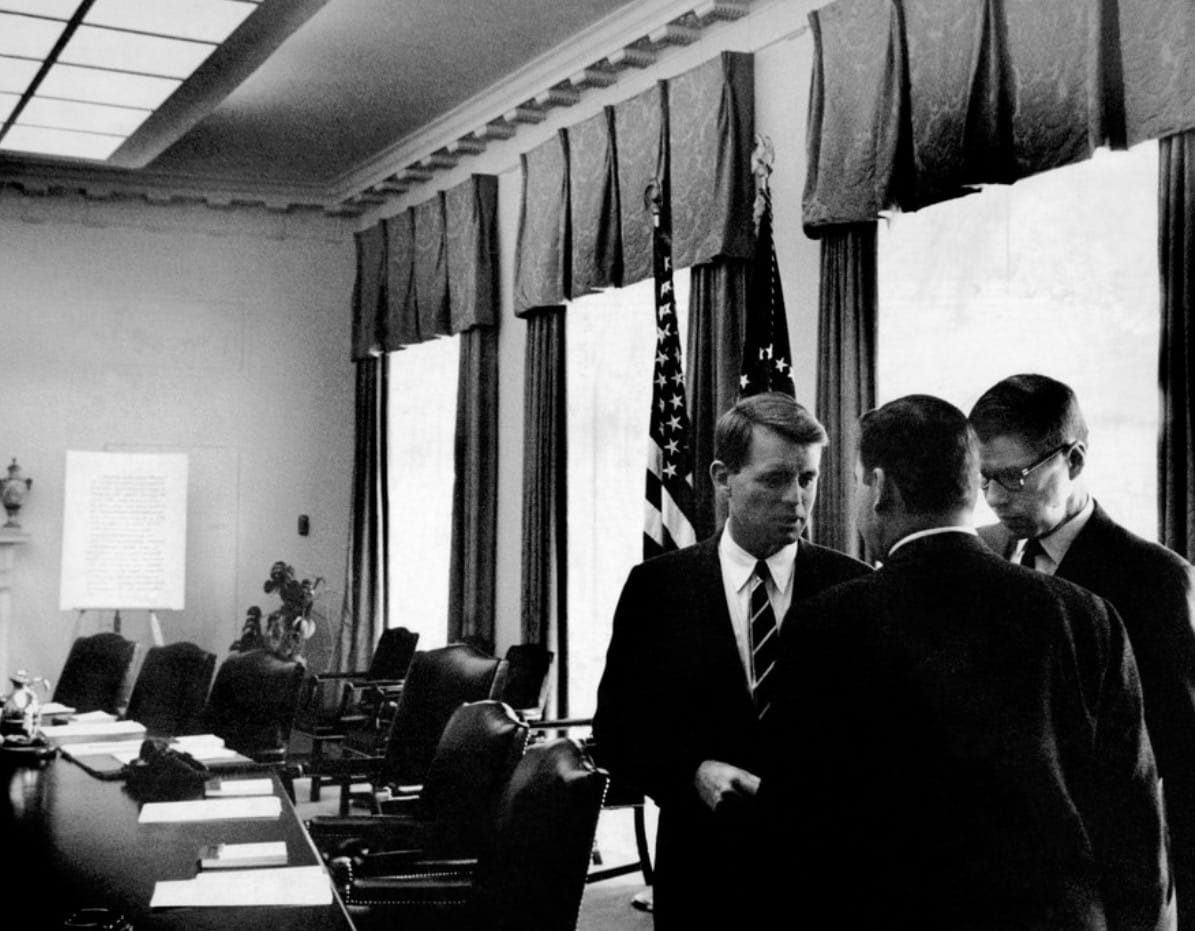
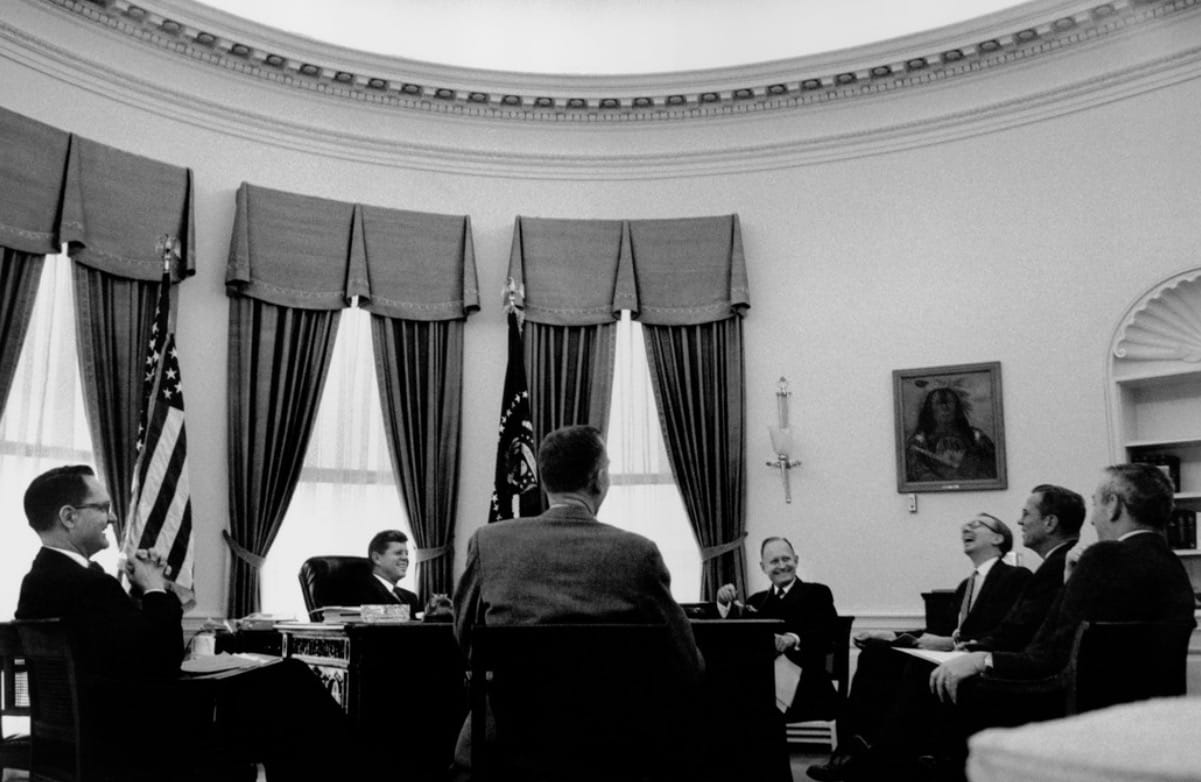
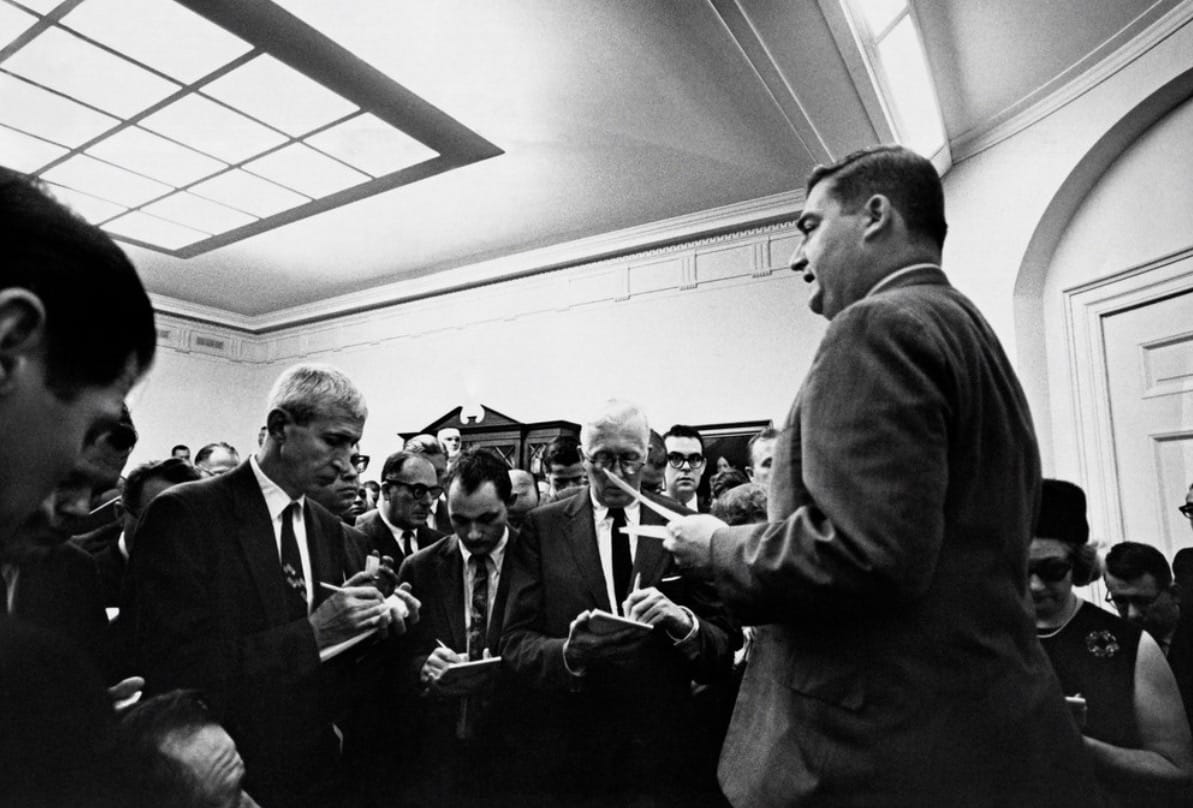
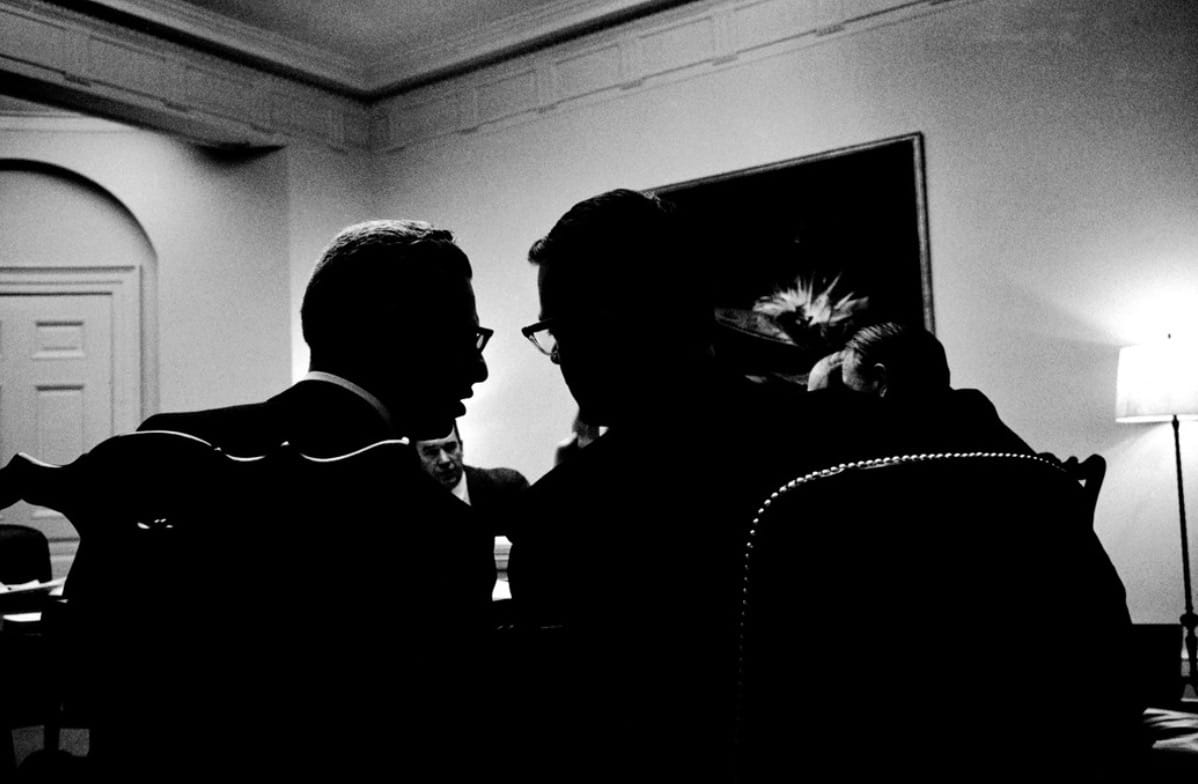
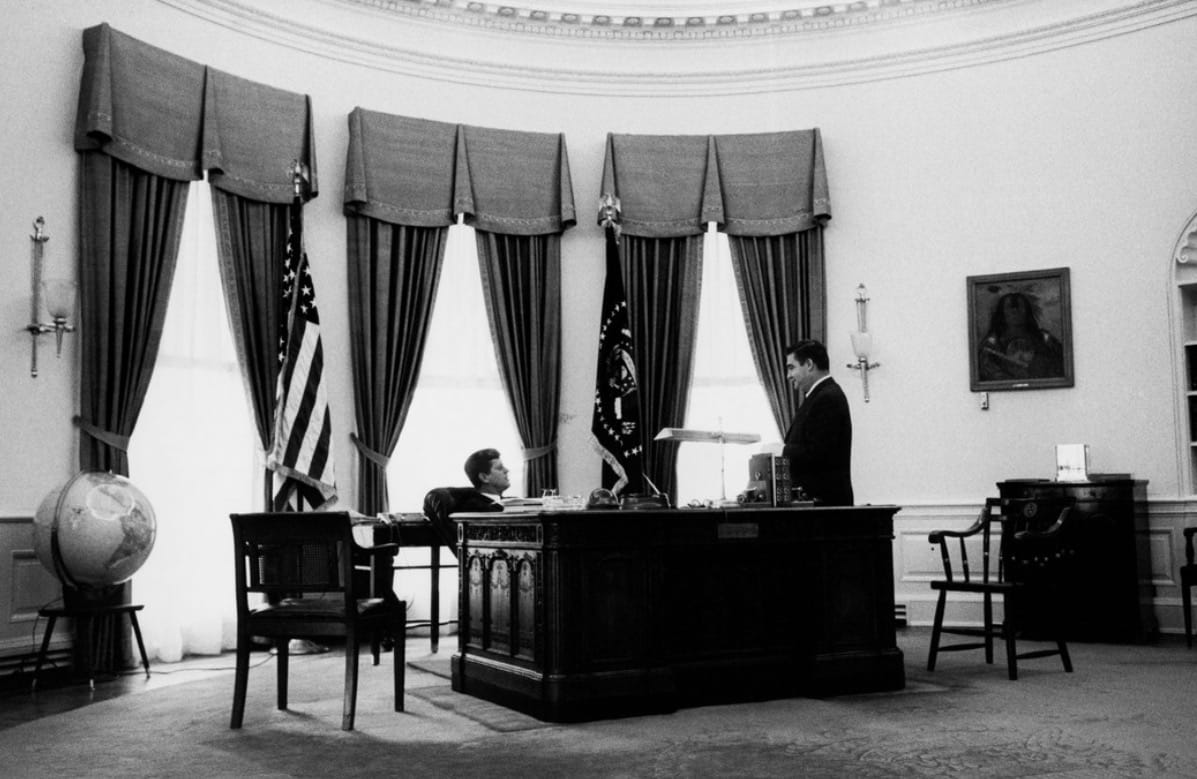
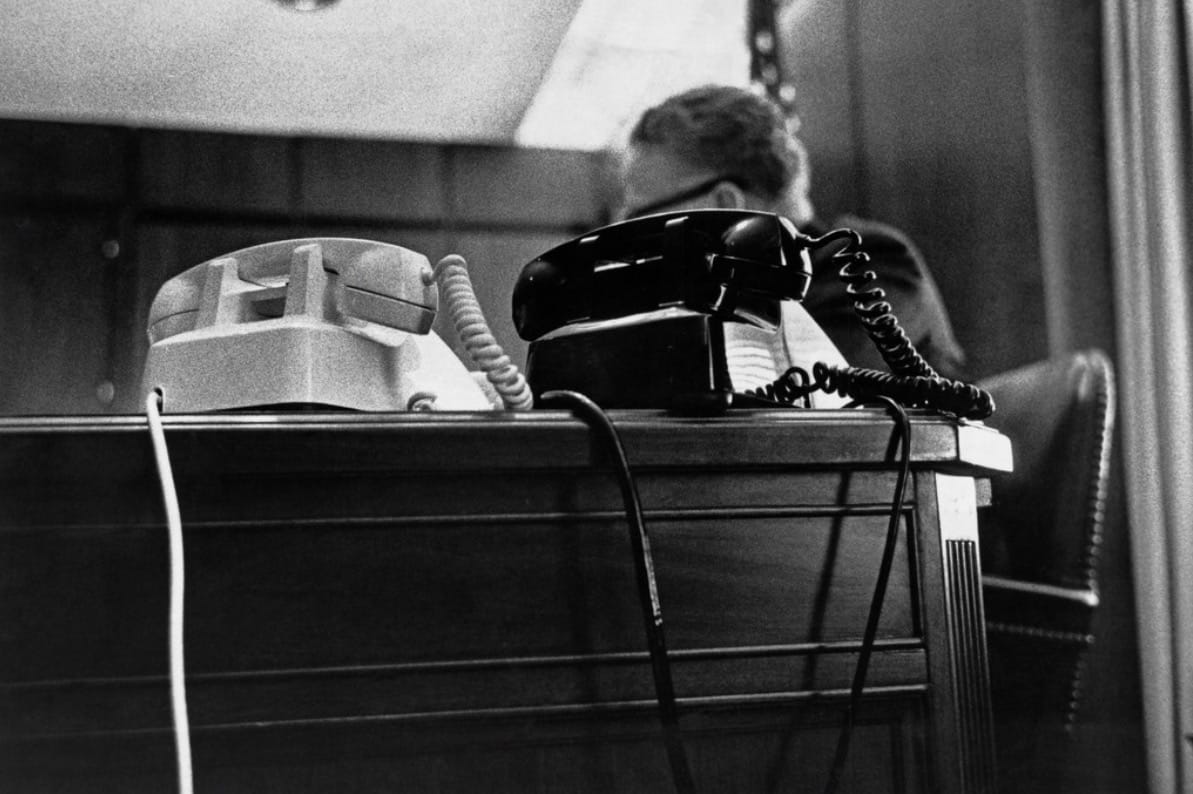
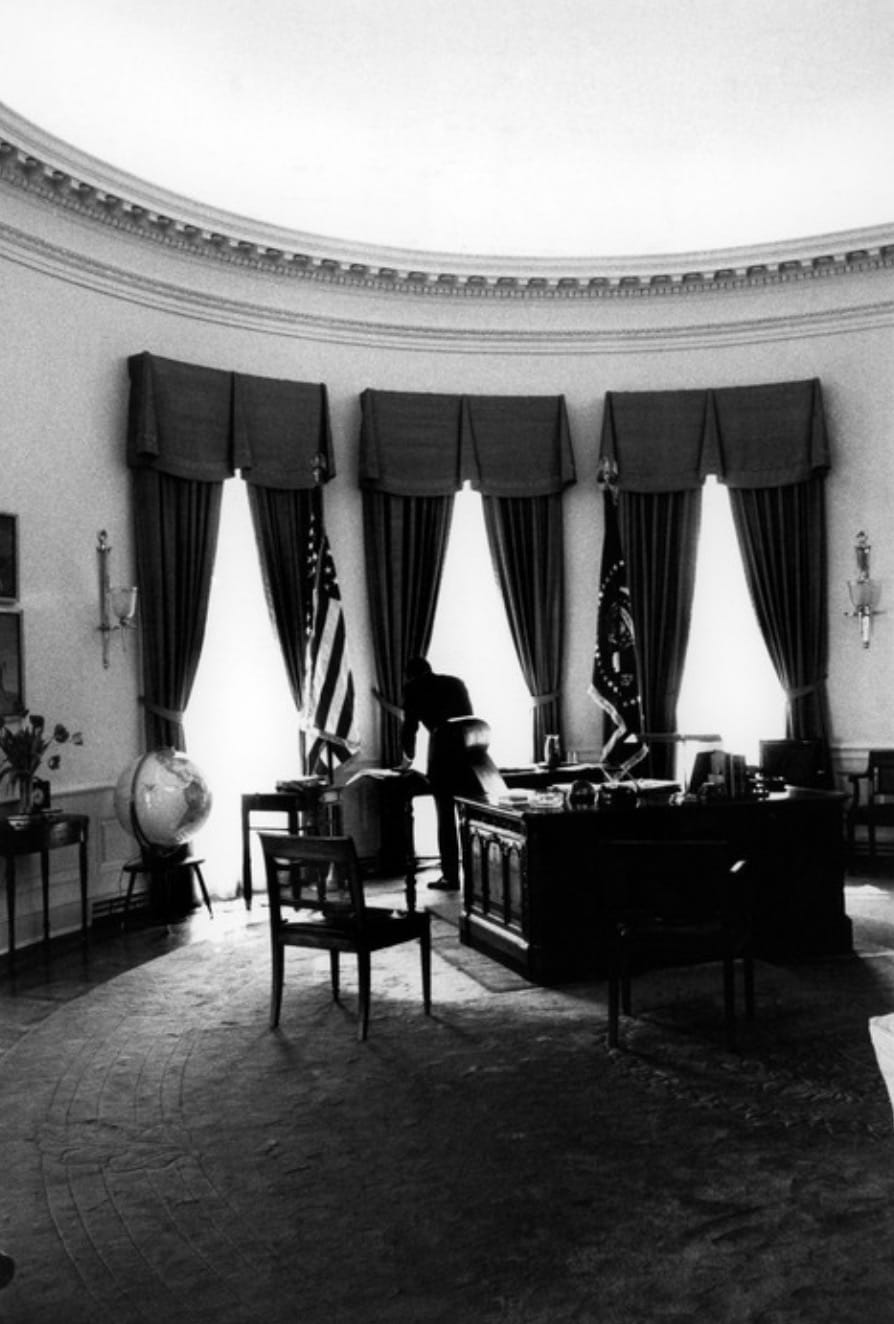
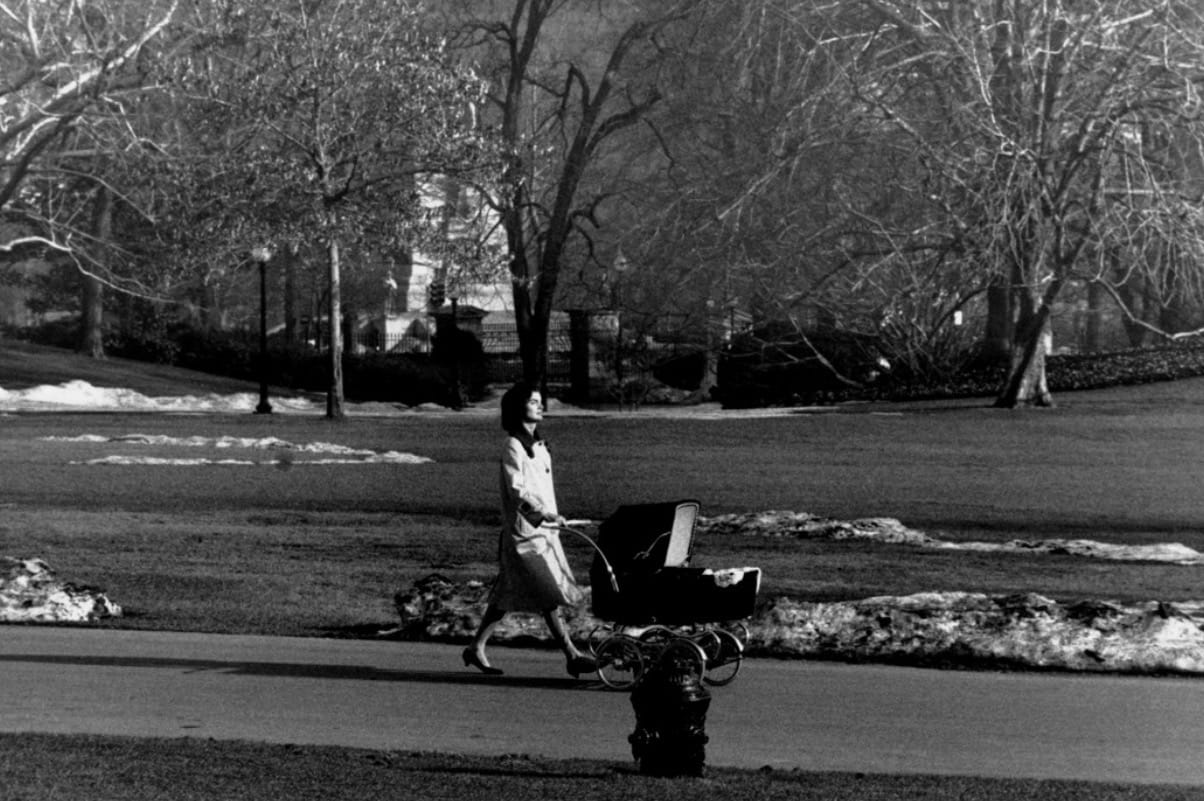
That’s the whole essay, minus a few more men-talking shots.
The description of the photo essay says,
A key to the “Kennedy Style” was a braintrust of young talent with which the president surrounded himself. He drew his appointees from universities, congress, governor’s mansions; business, labor and farm circles—a transcript of American life. Most are young with the average age was 47, the youngest appointee being Attorney General Robert Kennedy. It was a braintrust with three Phi Beta Kappa keyholders and several professors as special advisers. It is the first to have two Jews and an African American.
So, when you and I see homogeneity, Capa saw difference and excitement…and Jackie strolling alone at a distance.
The essay has a few more photos of men-talking,
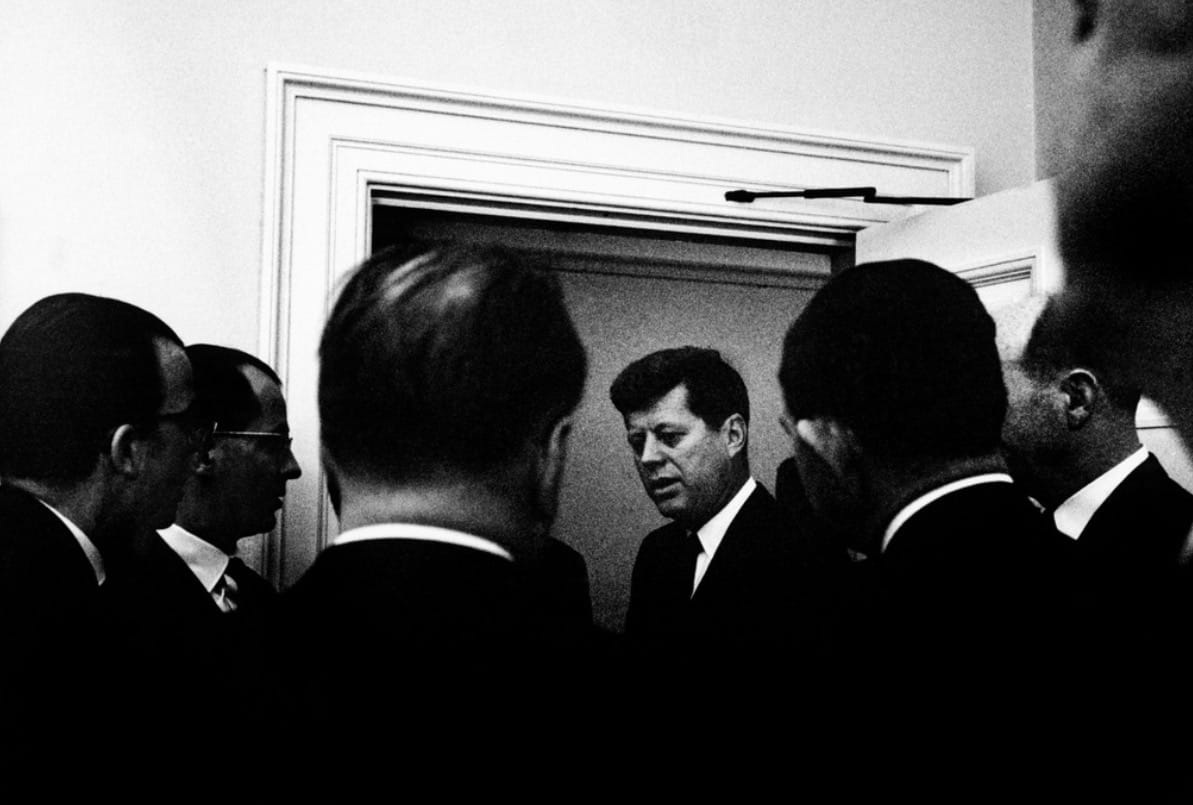
And several famous photos of JFK. The photo that gets licensed most often is this one:
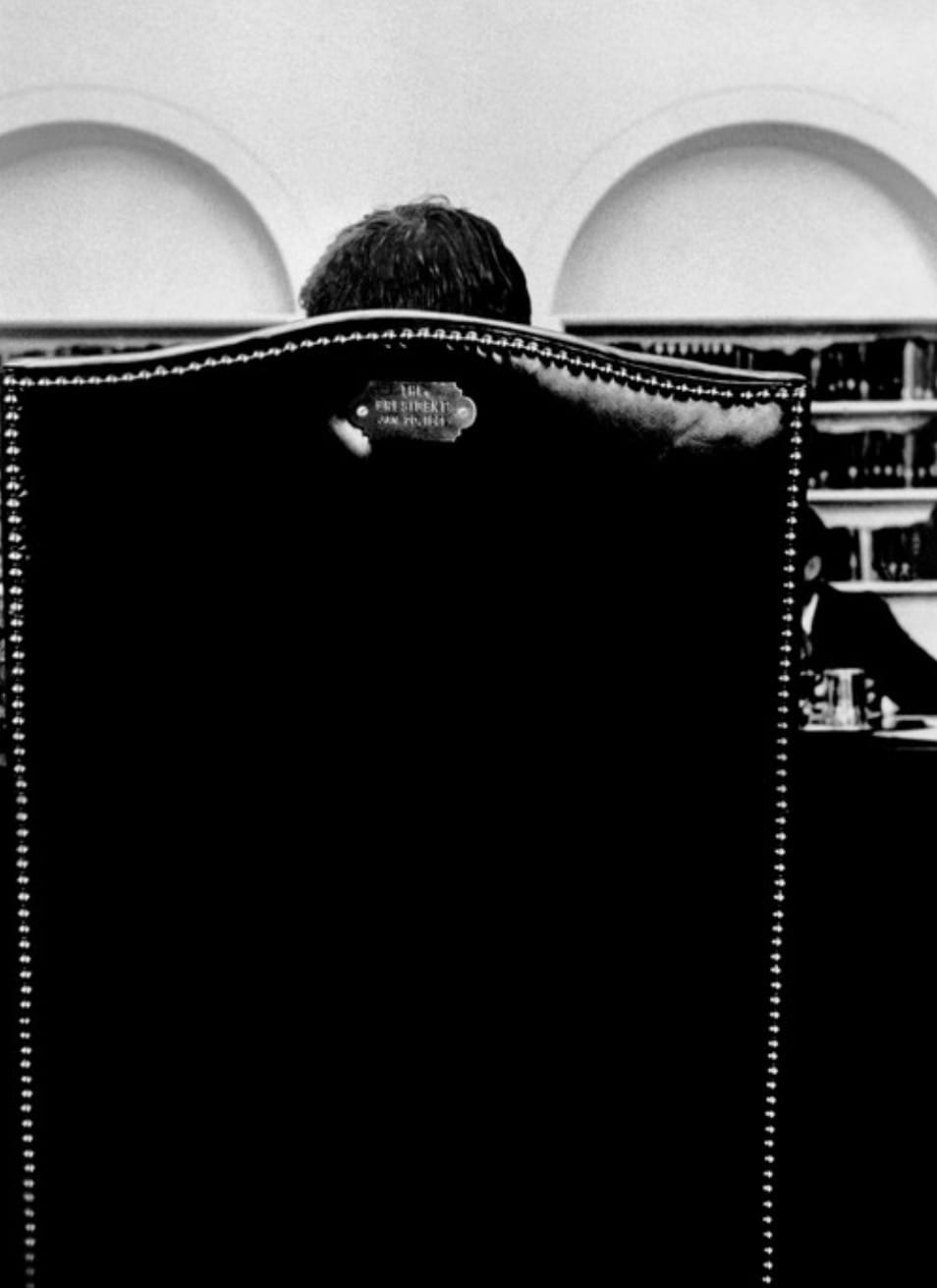
But I think these, also very popular, tell us things about the JFK presidency that we have since forgotten:
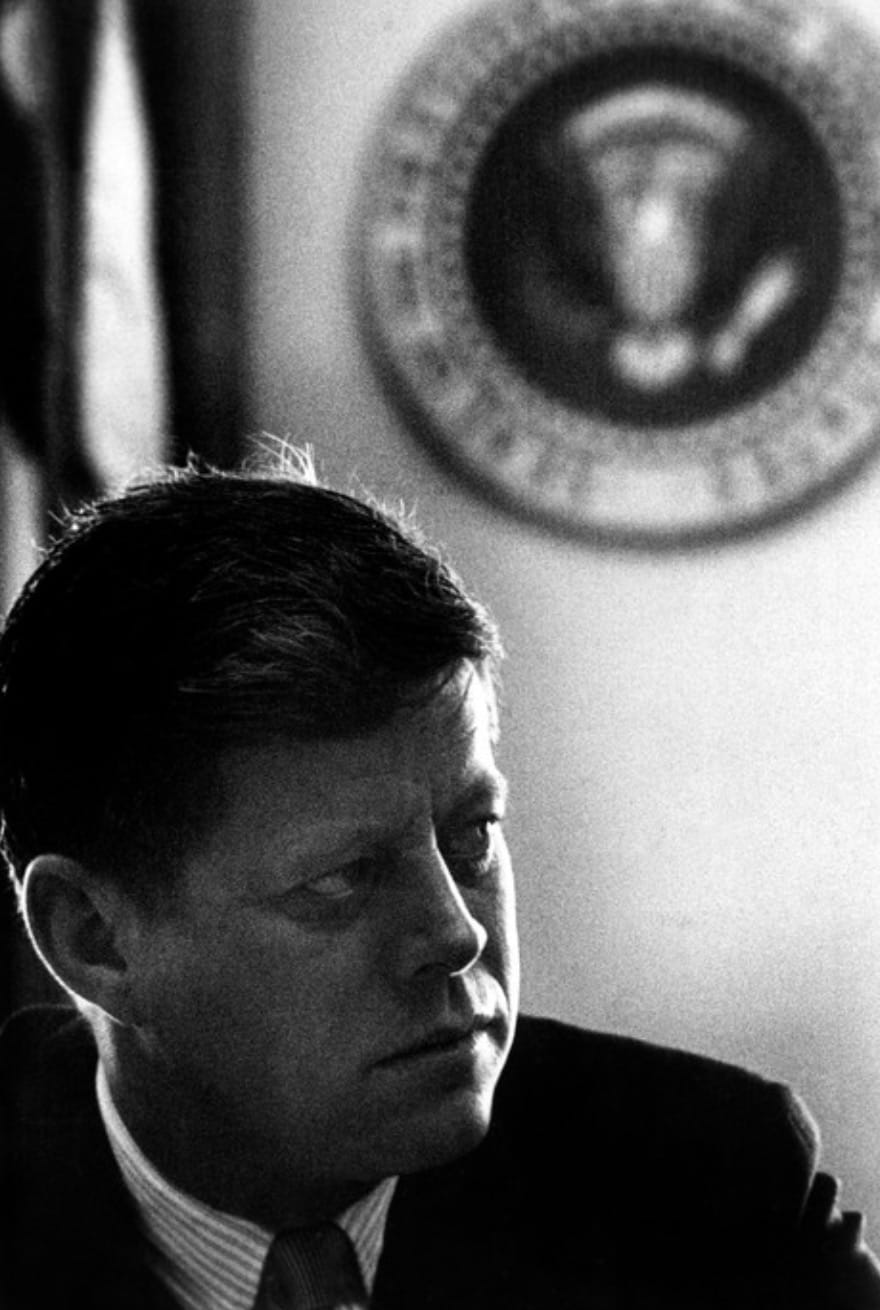
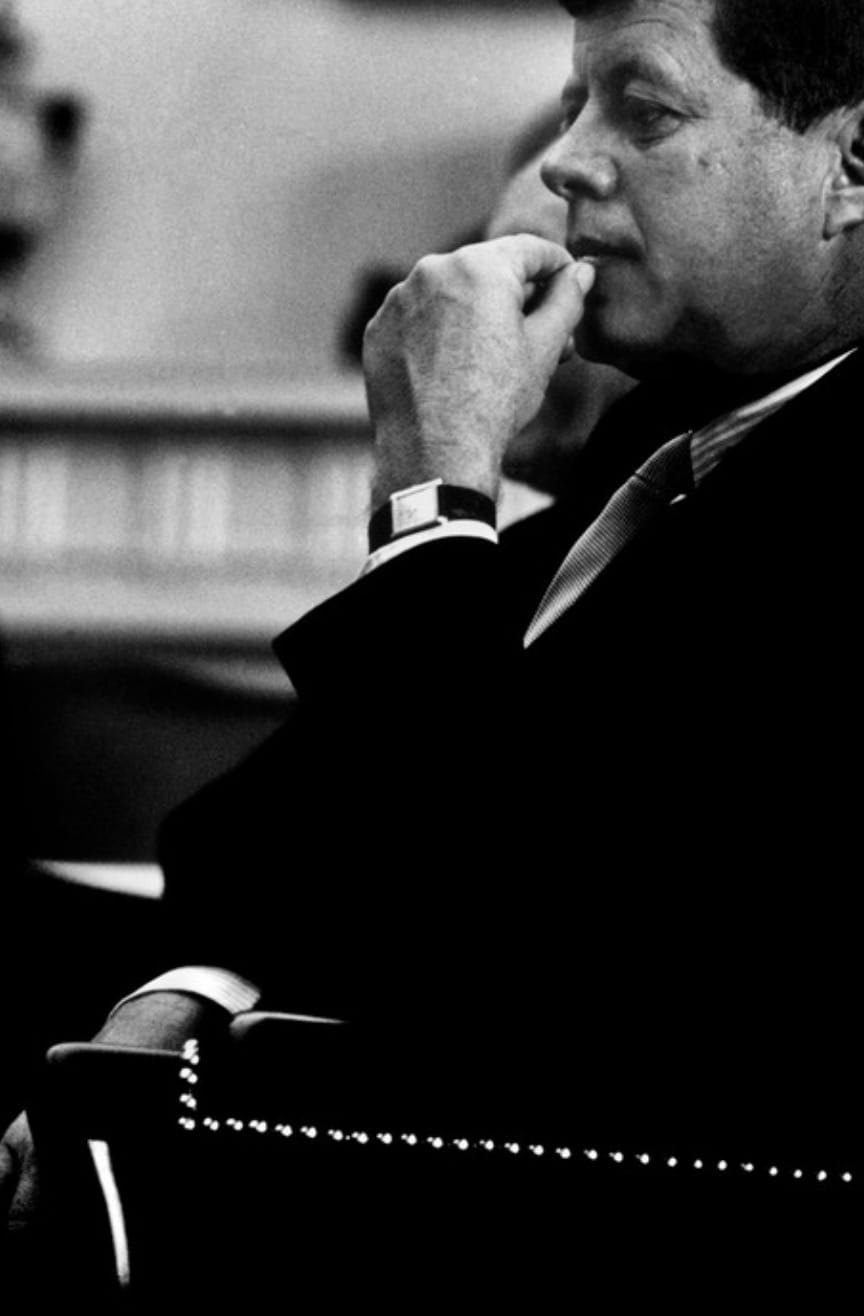
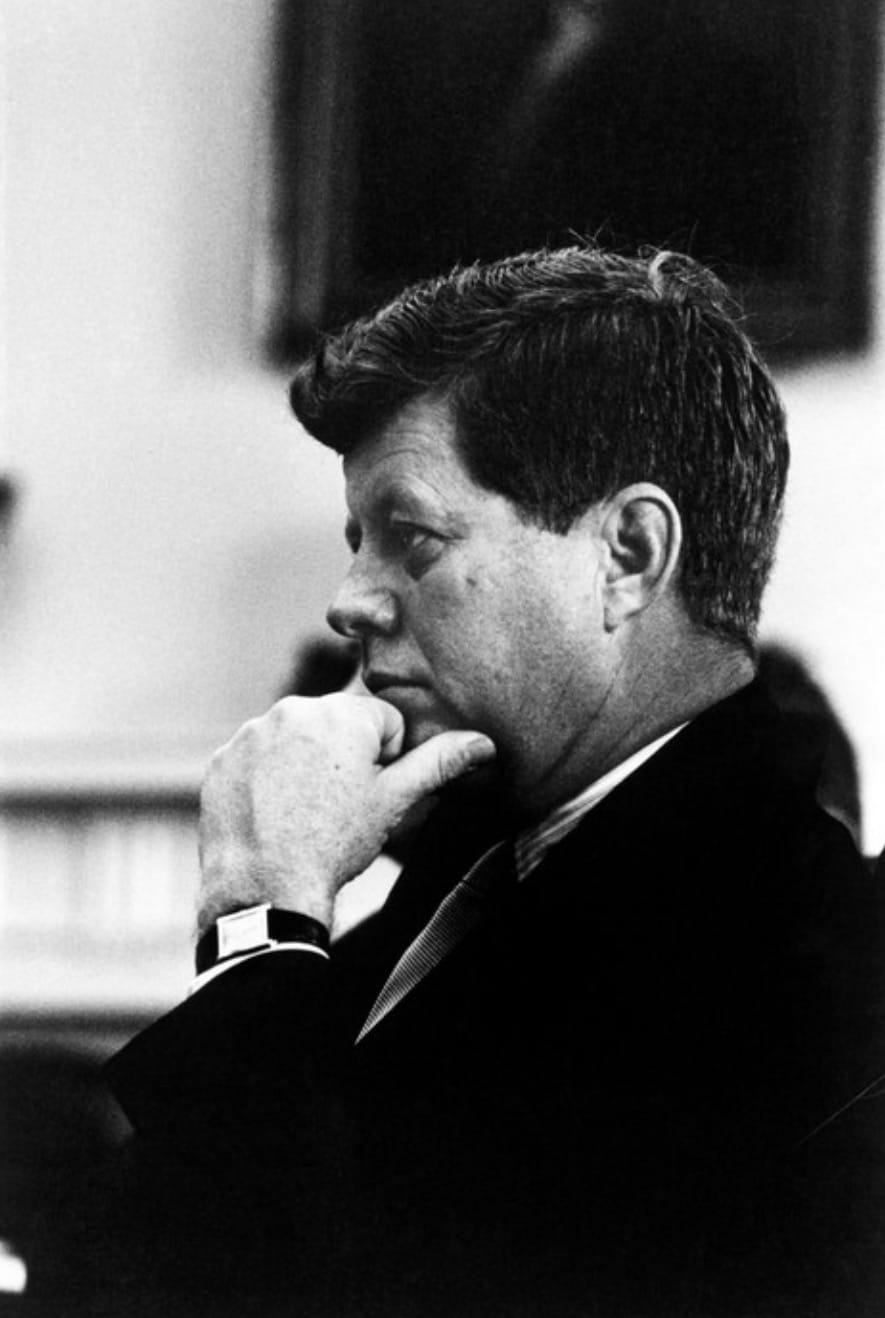
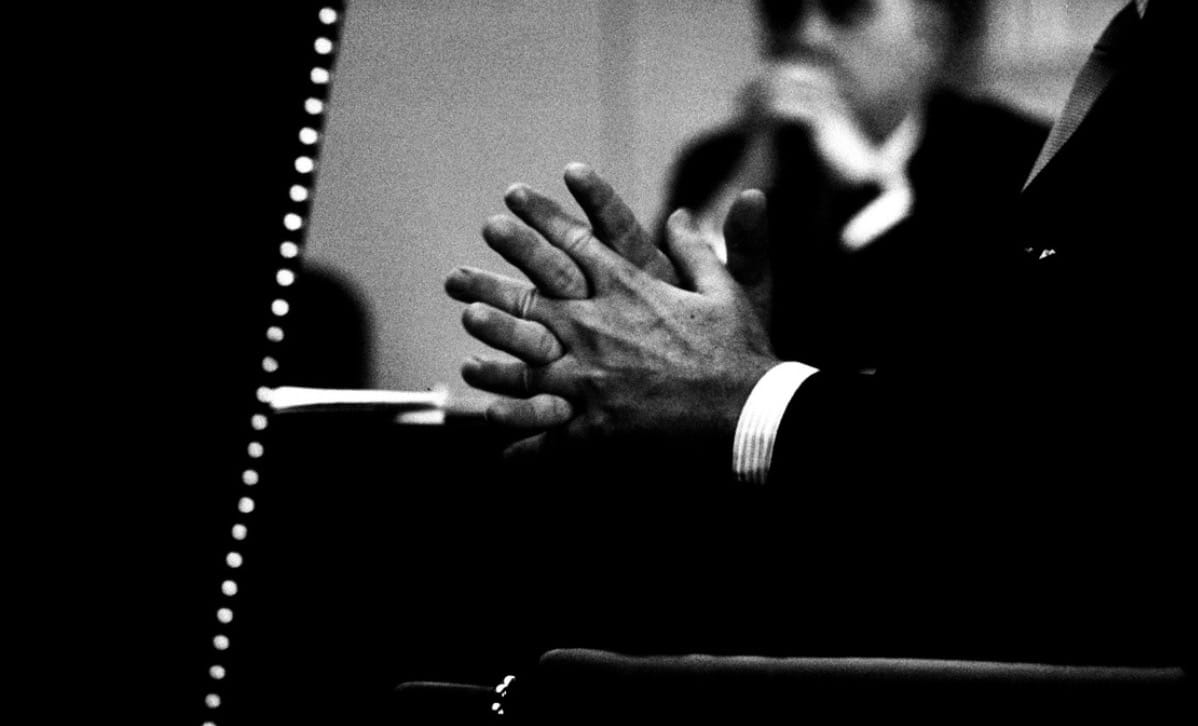
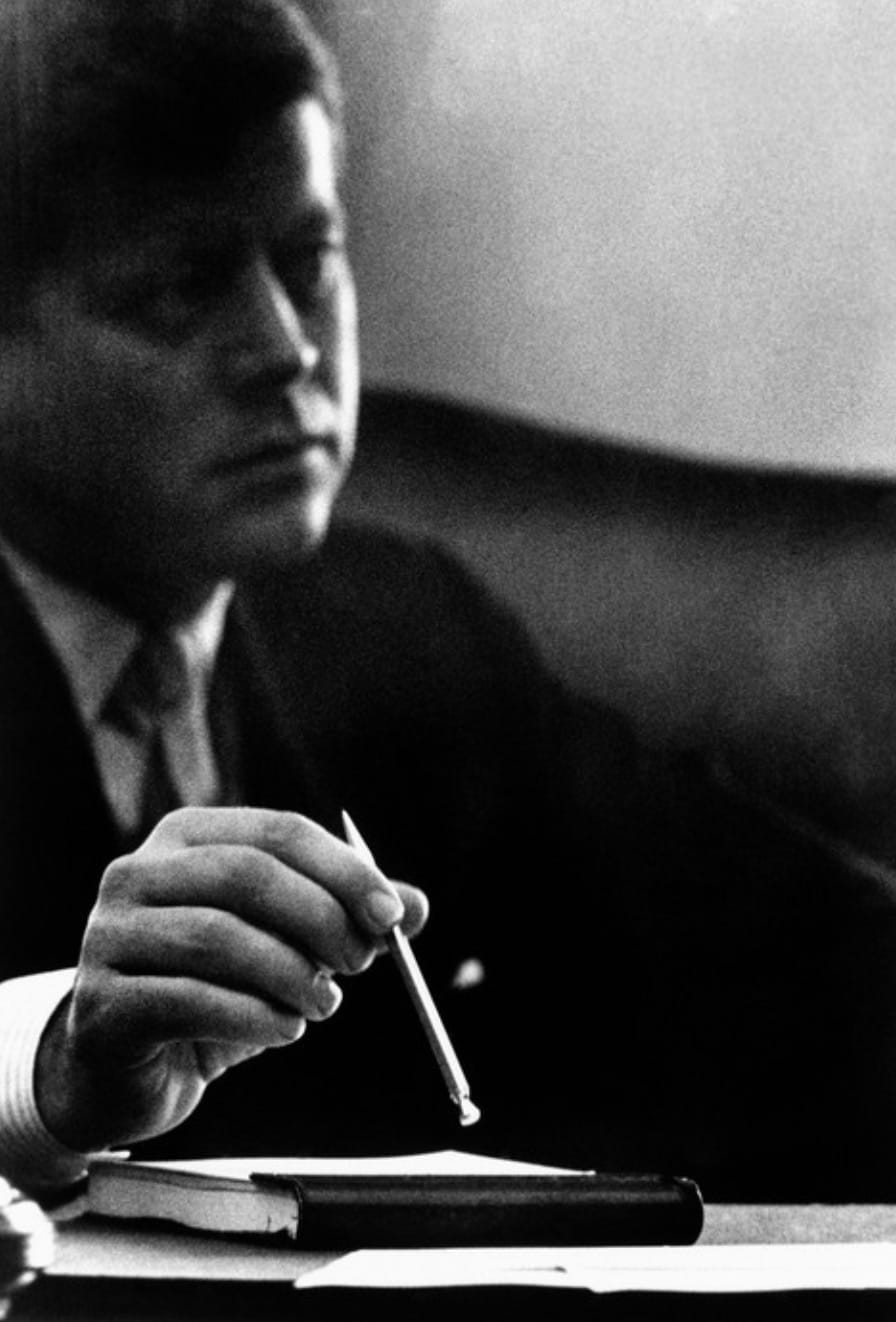
JFK shows up at the end of the CBS tour of the White House special that Jackie did. He says that the artifacts that his wife has collected remind visitors, the people that work at the White House and, most especially, him that great things were accomplished by this country in this house, and the people who accomplished them were ‘real men’.
Yes. That house and its items, chosen, assembled, restored, arranged and preserved by Jackie Kennedy do that. She points out a variety of couches and chairs that previous presidents sat in, the china and silverware that they still use. Mary Todd Lincoln gets three mentions by her, and the most minutes are devoted to the Lincoln room that she and John slept in while the rest of the house was being prepared for them. She says that Abraham was not pleased at how much Mary spent a few times. But, that bed and carpet and desk and bureau are still there, looking good.
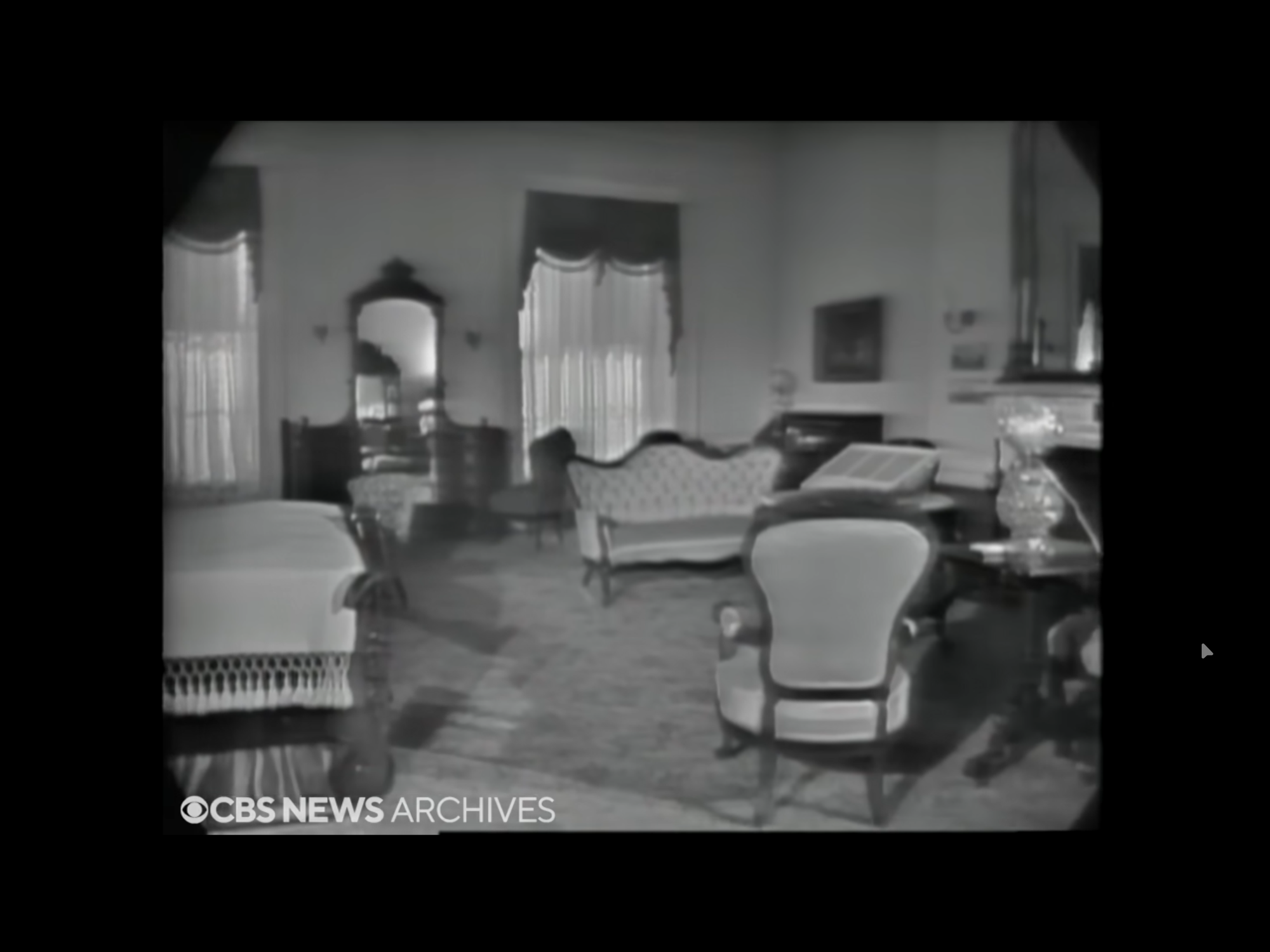
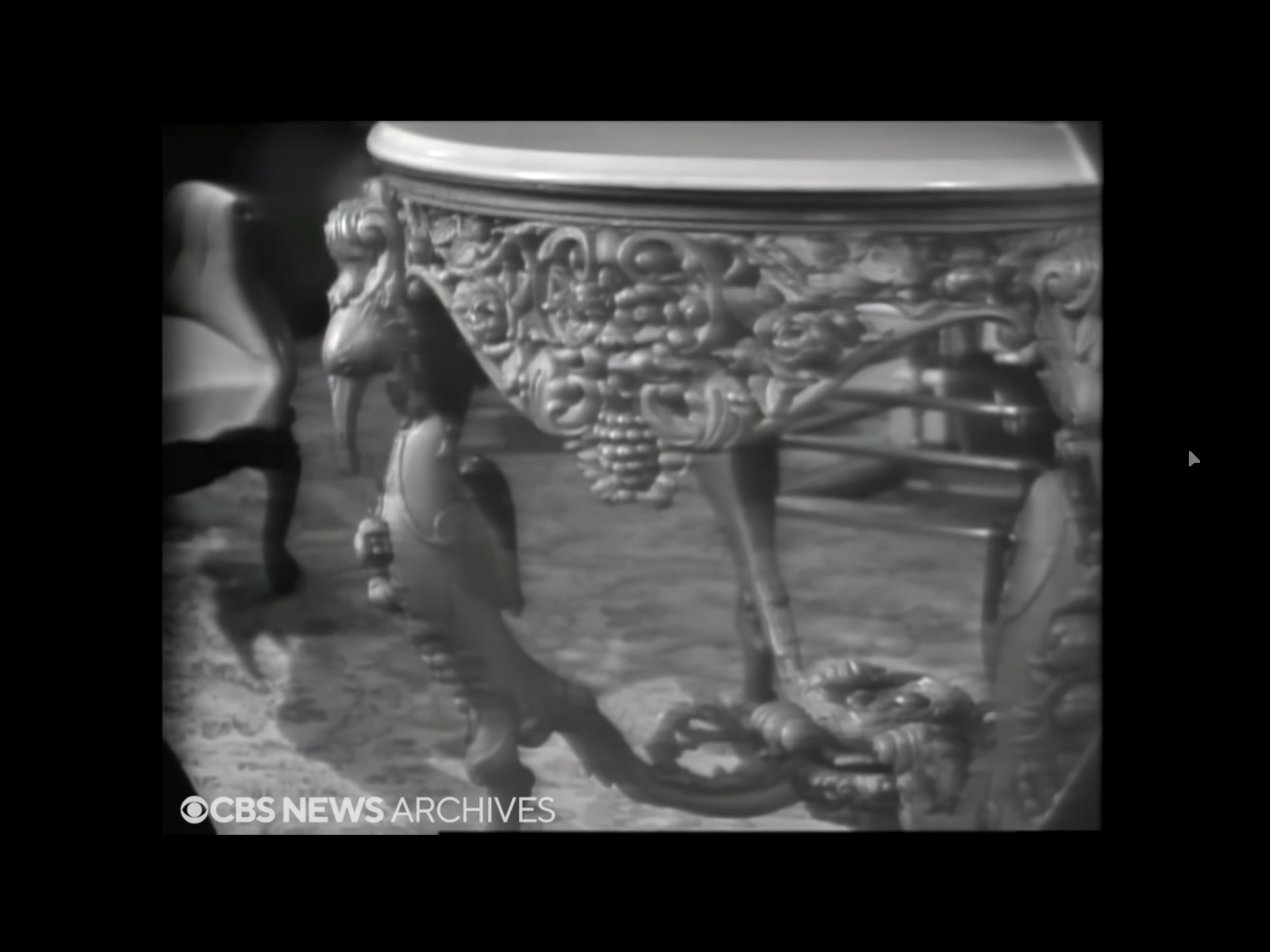
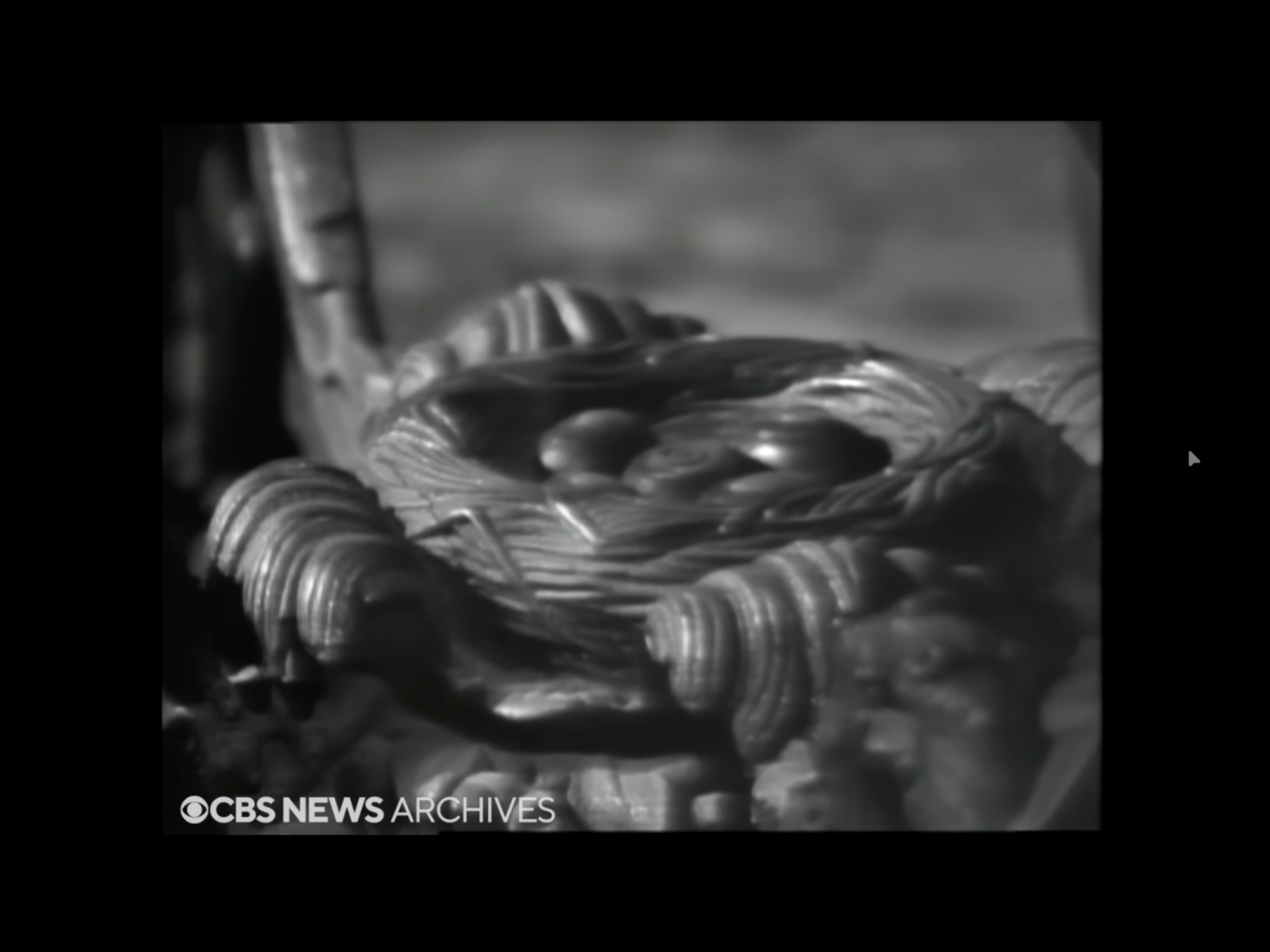
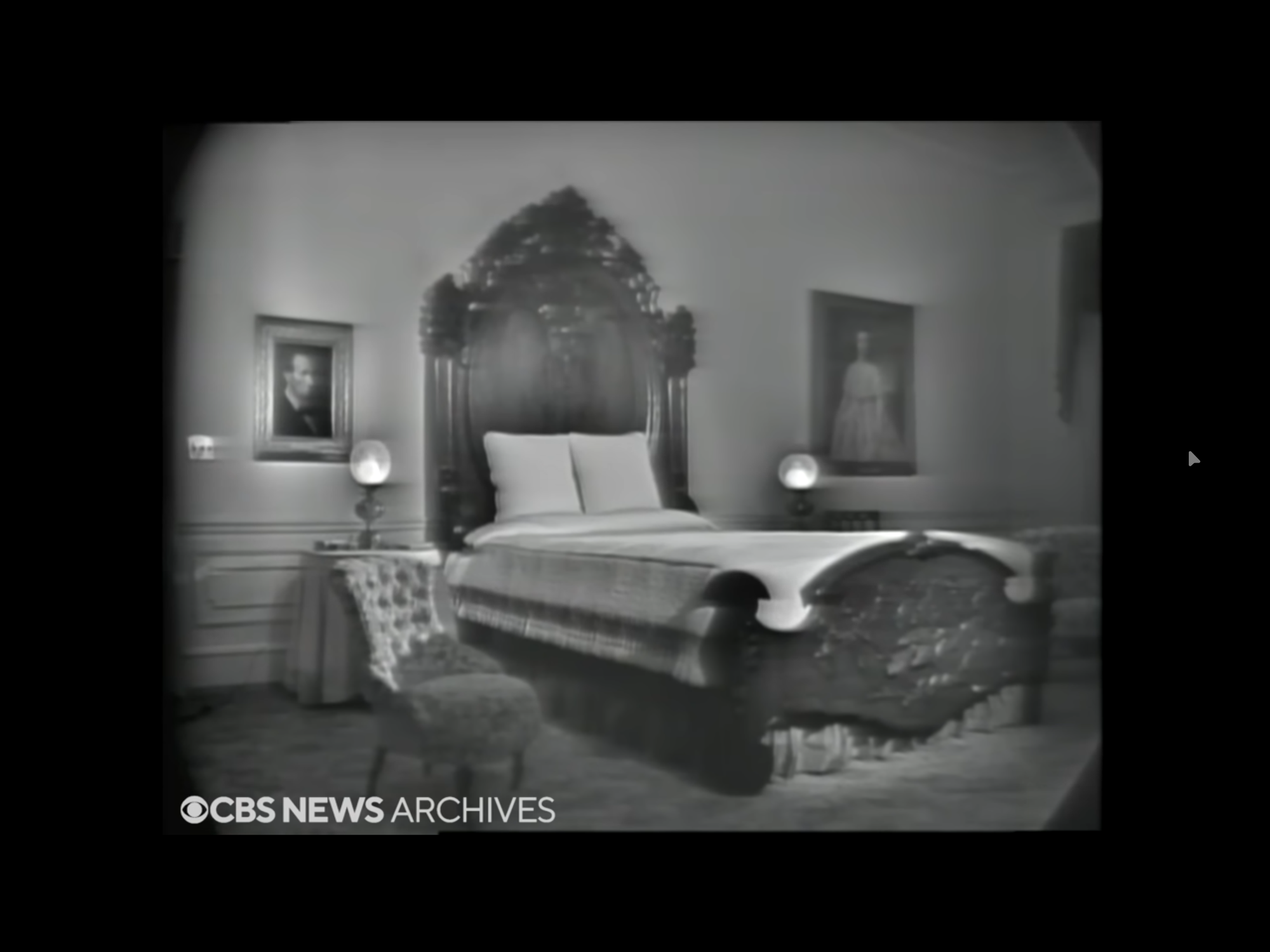
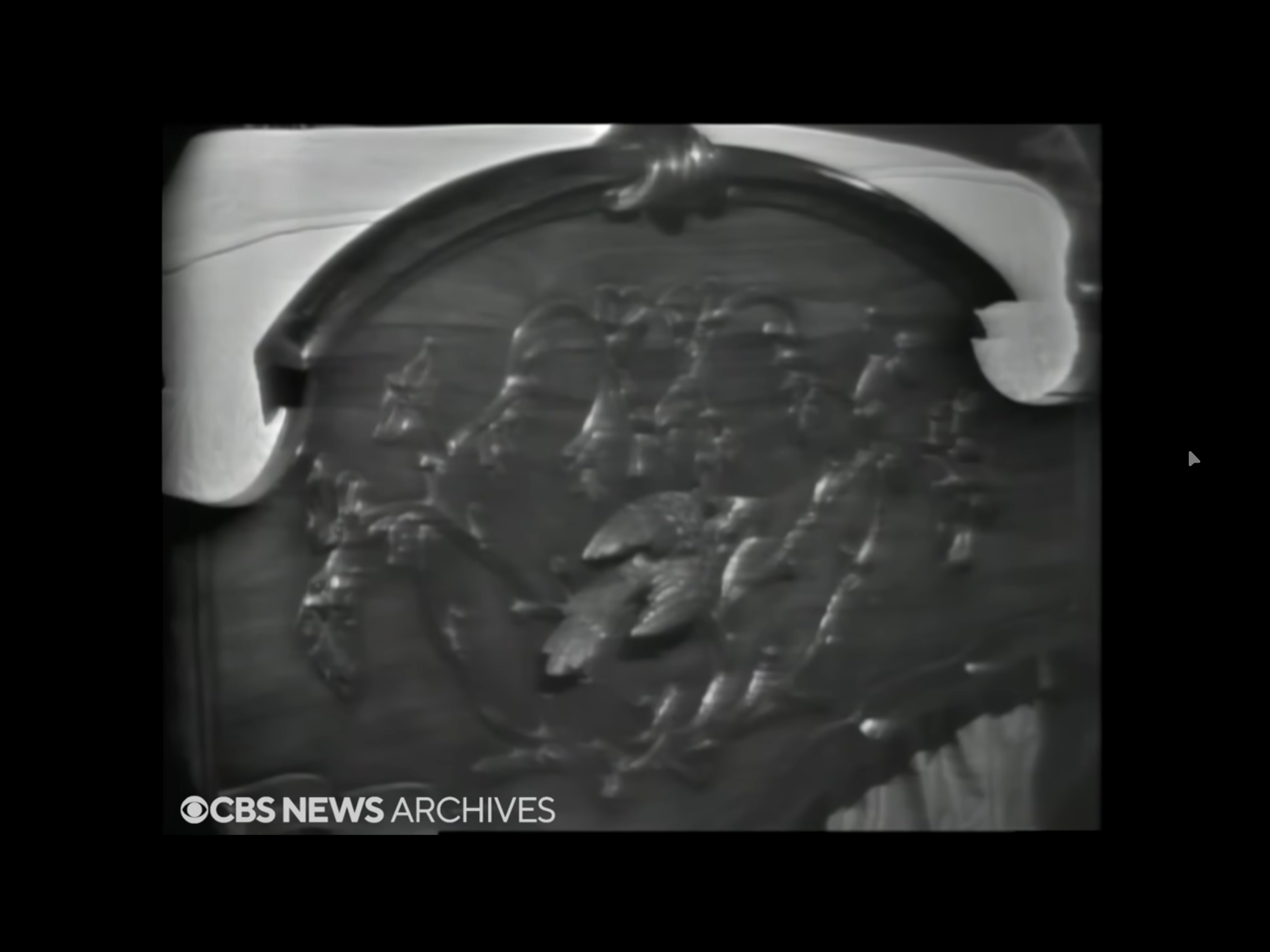
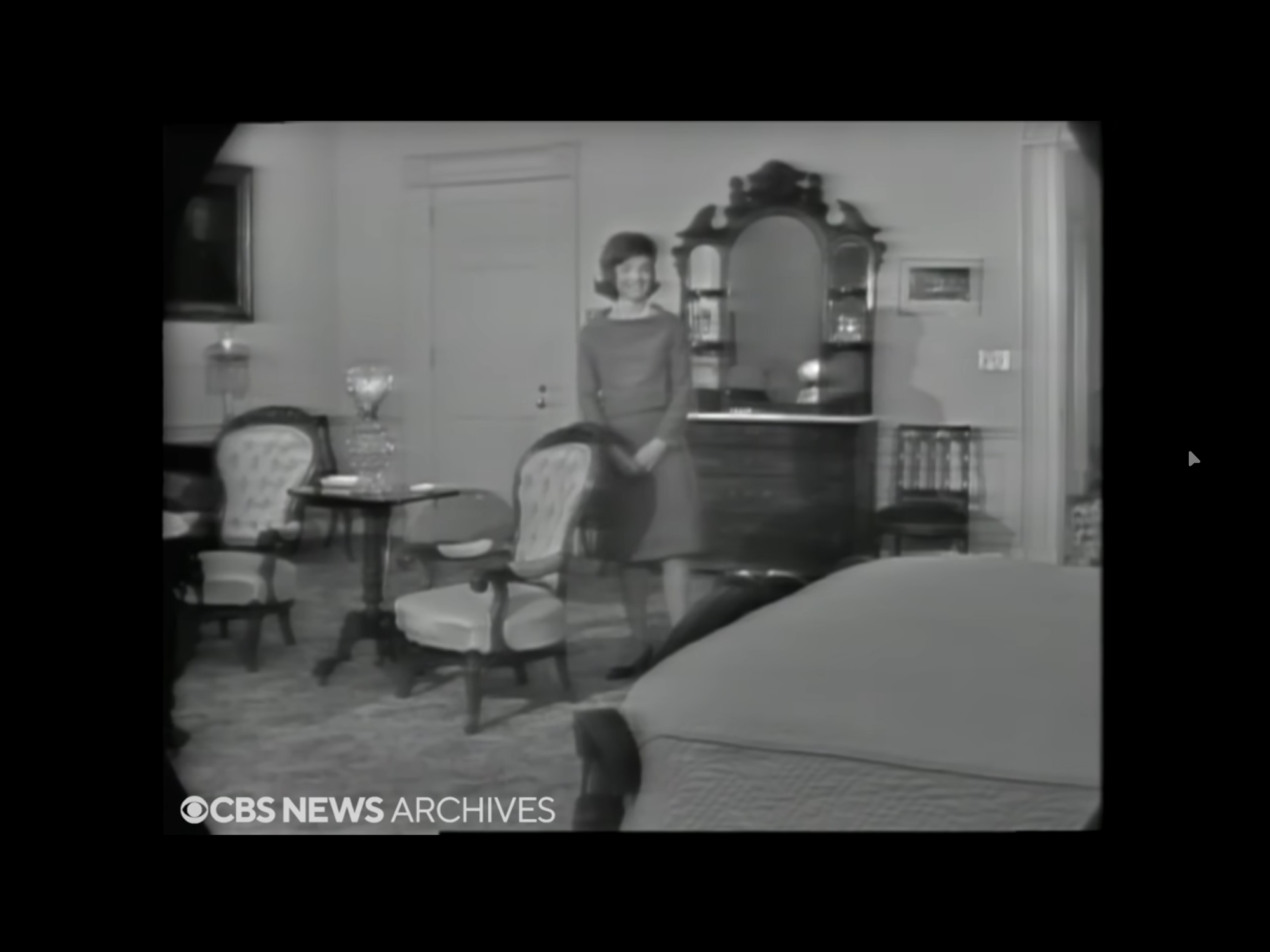
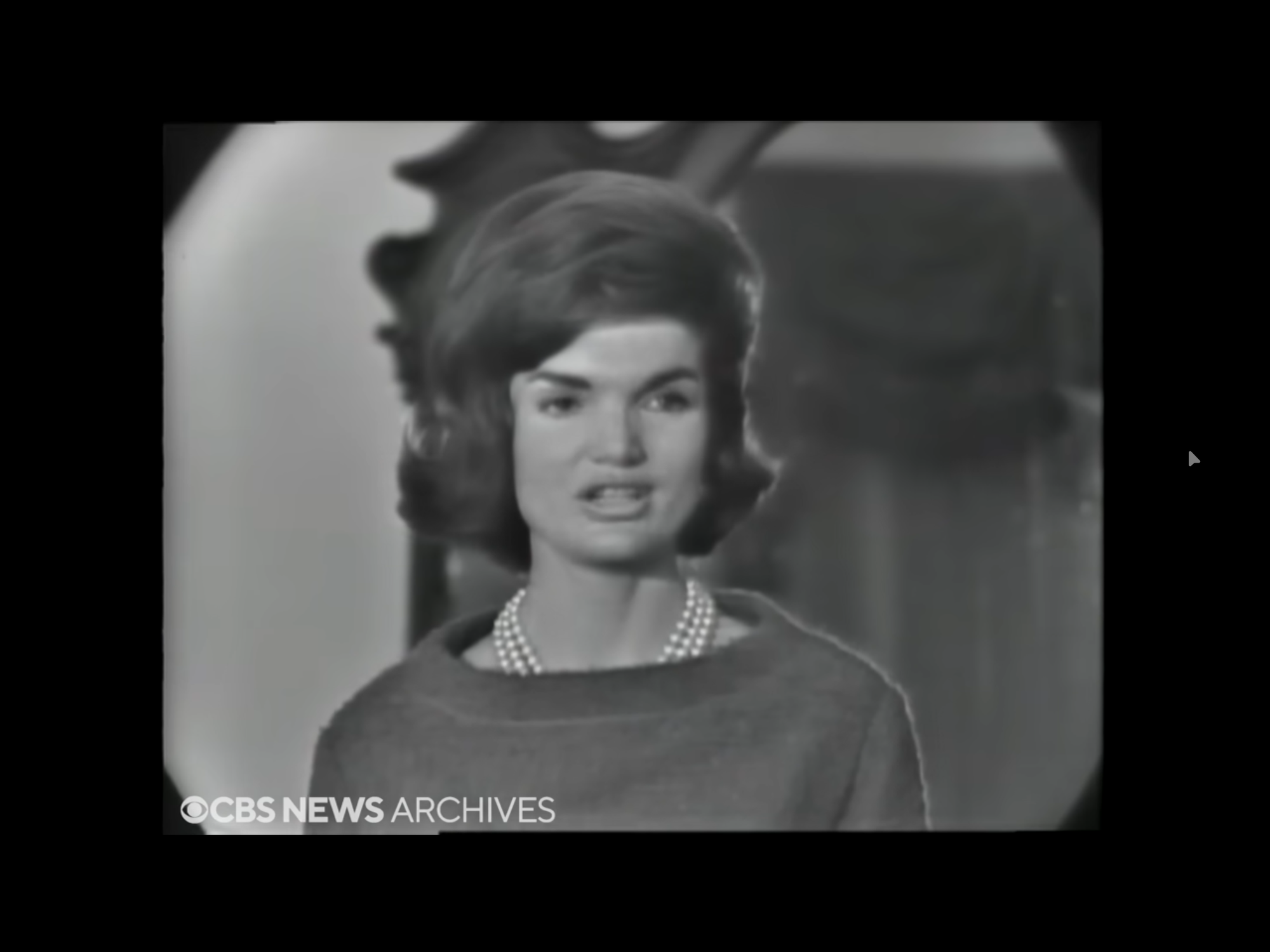
Jackie explains that after Lincoln was killed Mary had to sell all of the furniture to support her and the kids. She and president Truman seem to agree most about the need to have the previous things. He found half of the furniture and she the other half.
The materials and landscapes in that footage and movie don’t really exist anymore, so the transport to 1963 in the grainy black and white CBS news footage and the jump to pristine 2016 footage in 16mm film did give me that dual feeling that these real people did live through these moments, meanwhile that world is not ours any more. Doesn’t exist.
That’s the hard part with Jackie. Her accent is gone. You say potato, my grandma says po-tah-to, I say tomato, my grandma says to-mah-to. She was the only person I ever met that did, and she died in 2007. Folks don’t even really speak out of that part of their heads any more. We all sound so much more like Midwestern Ms. Steinem. Dry delivery with some back-of-the-throat base giving us gravity. Madonna, not Marilyn.
So, when we watch footage it takes some time to get used to how she speaks. Imitating Jackie Kennedy speech patterns must be hard to do with feeling. Though, Natalie Portman sounds weird, in a way that I don’t think Jackie Kennedy sounds quite that weird in the real footage. And she is saying some weird stuff! I bet she did ask the Secret Service agent that rode on the back of the car to protect her if she could please have a word with her husband’s assassin. I, too, would repeat to anyone that would listen that there had been yellow Texas roses every time, but that day they were red.
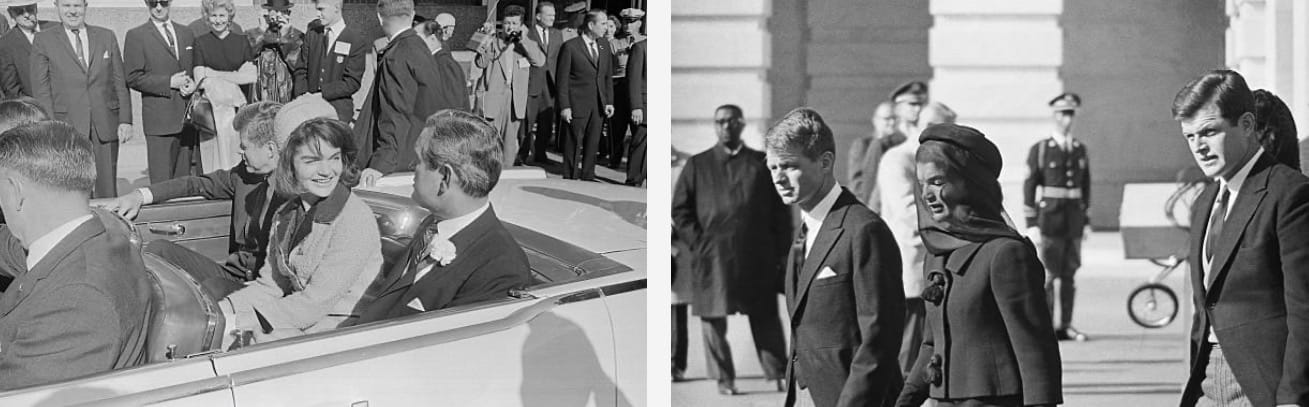
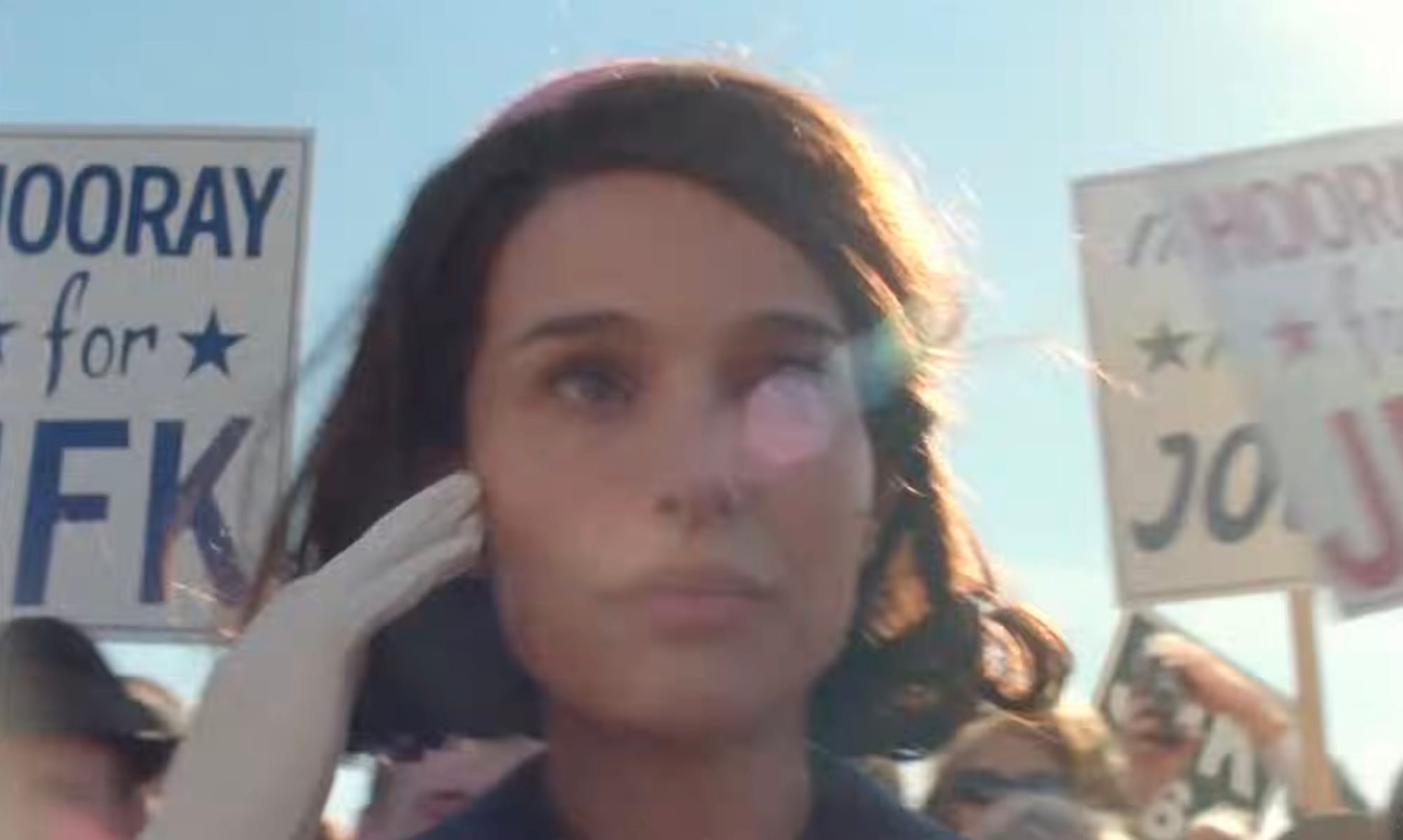
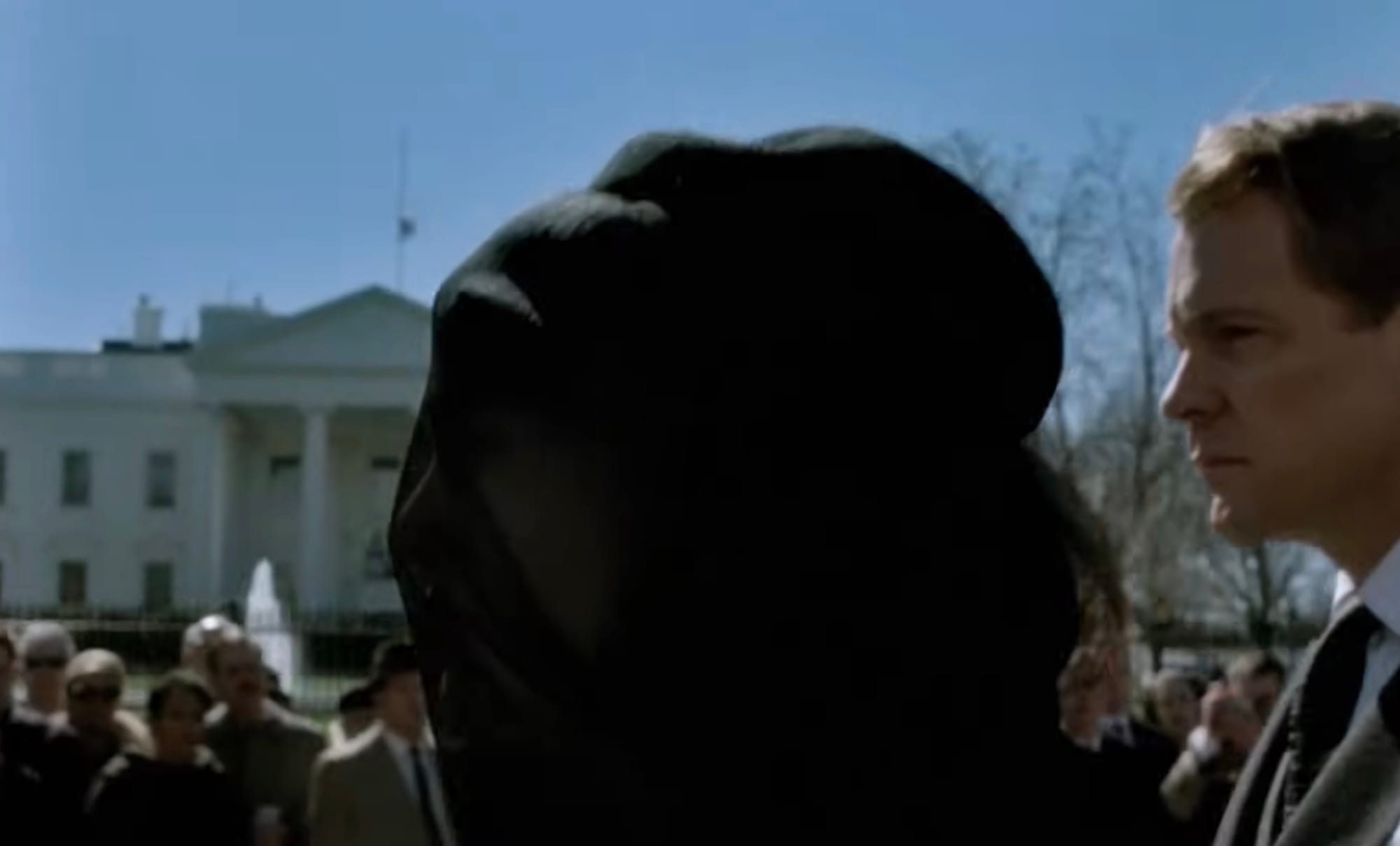
However, the vast majority of the movie is a symphonic score, not human voice. All of these scenes that half of the audience has in black and white newsprint and/or flickering in slow-moving greyscale in the back of their mind now get a modern movie up-close of the sun and the wind on Jackie’s hair in that convertible or under that veil.
When I looked up White House in the 1960s on Magnum’s photo archive the photos came pre-arranged in reverse chronological order. So, I saw all of the above and a smattering of other photographers sprinkled in. Just that Jackie strolling the grounds photo in the mix. And then, the below essay by Eve Arnold appeared at the end of the gallery; i.e. These were the first ones taken in the White House in the 1960’s.
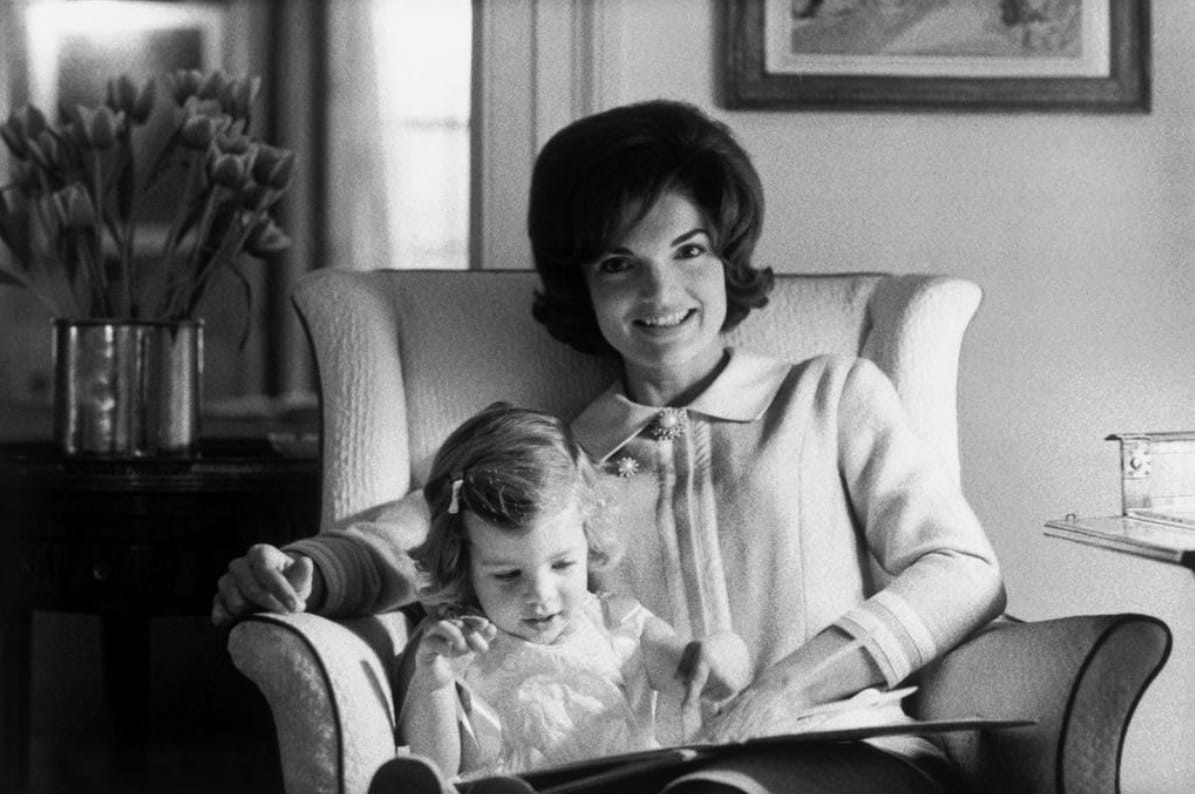
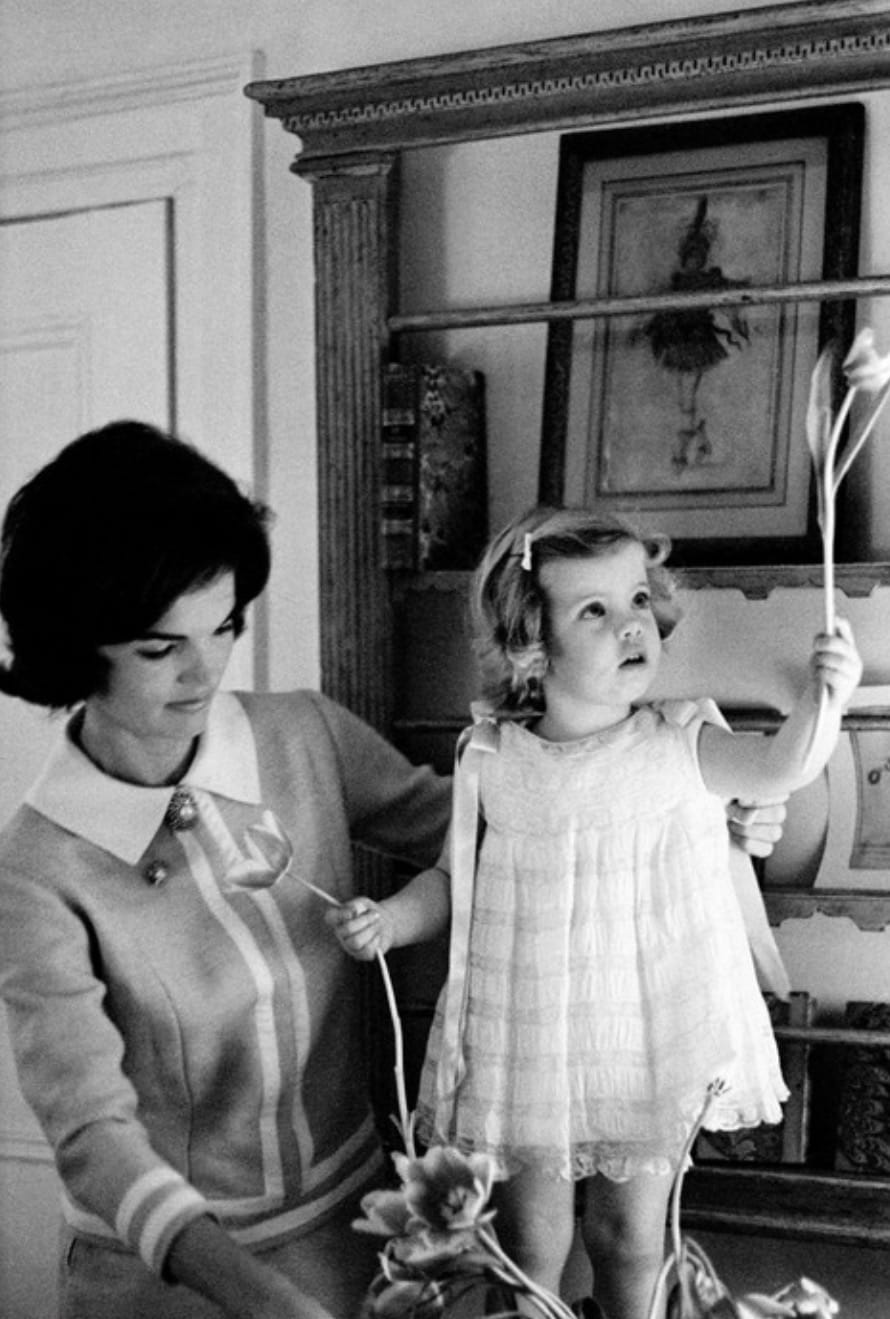
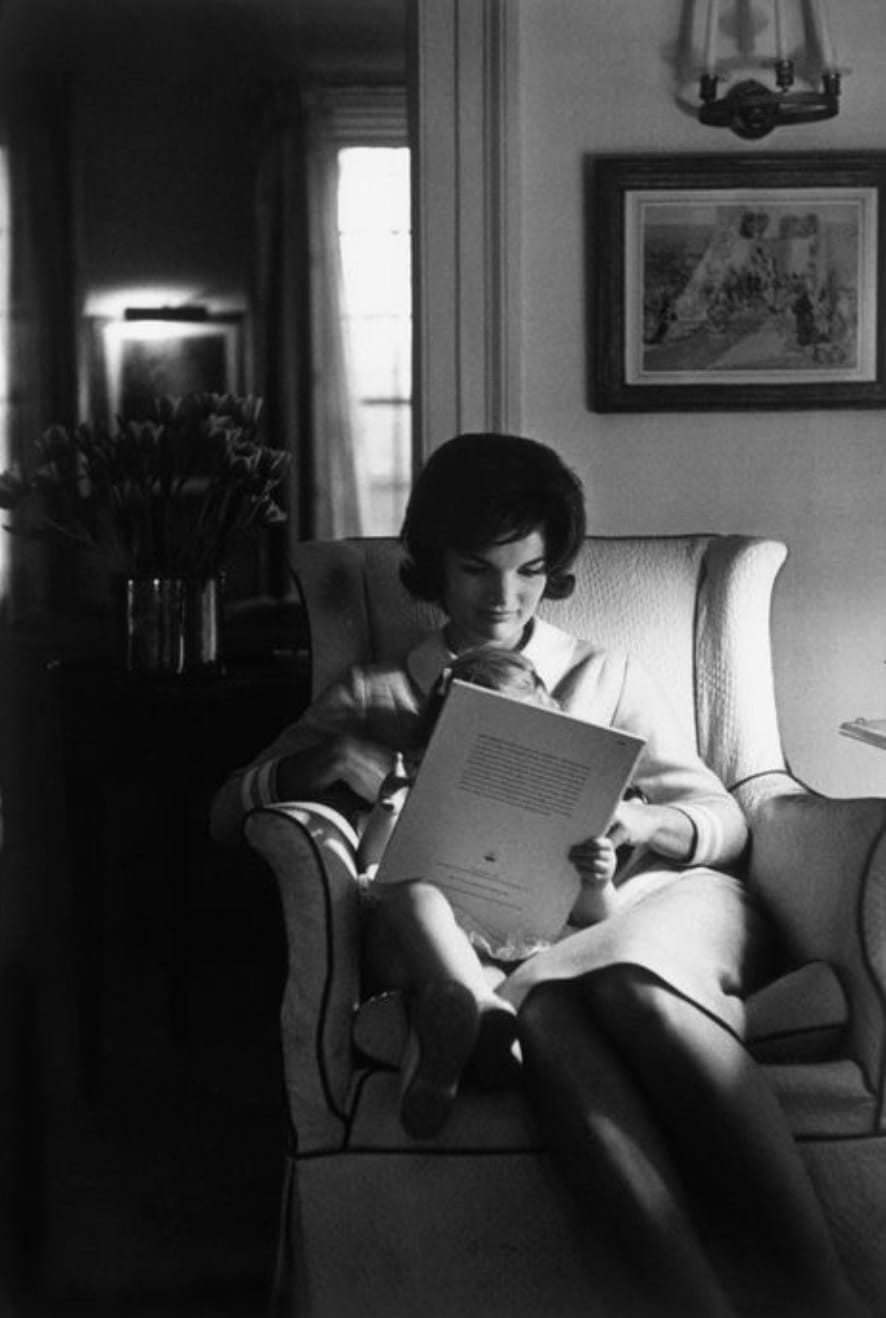
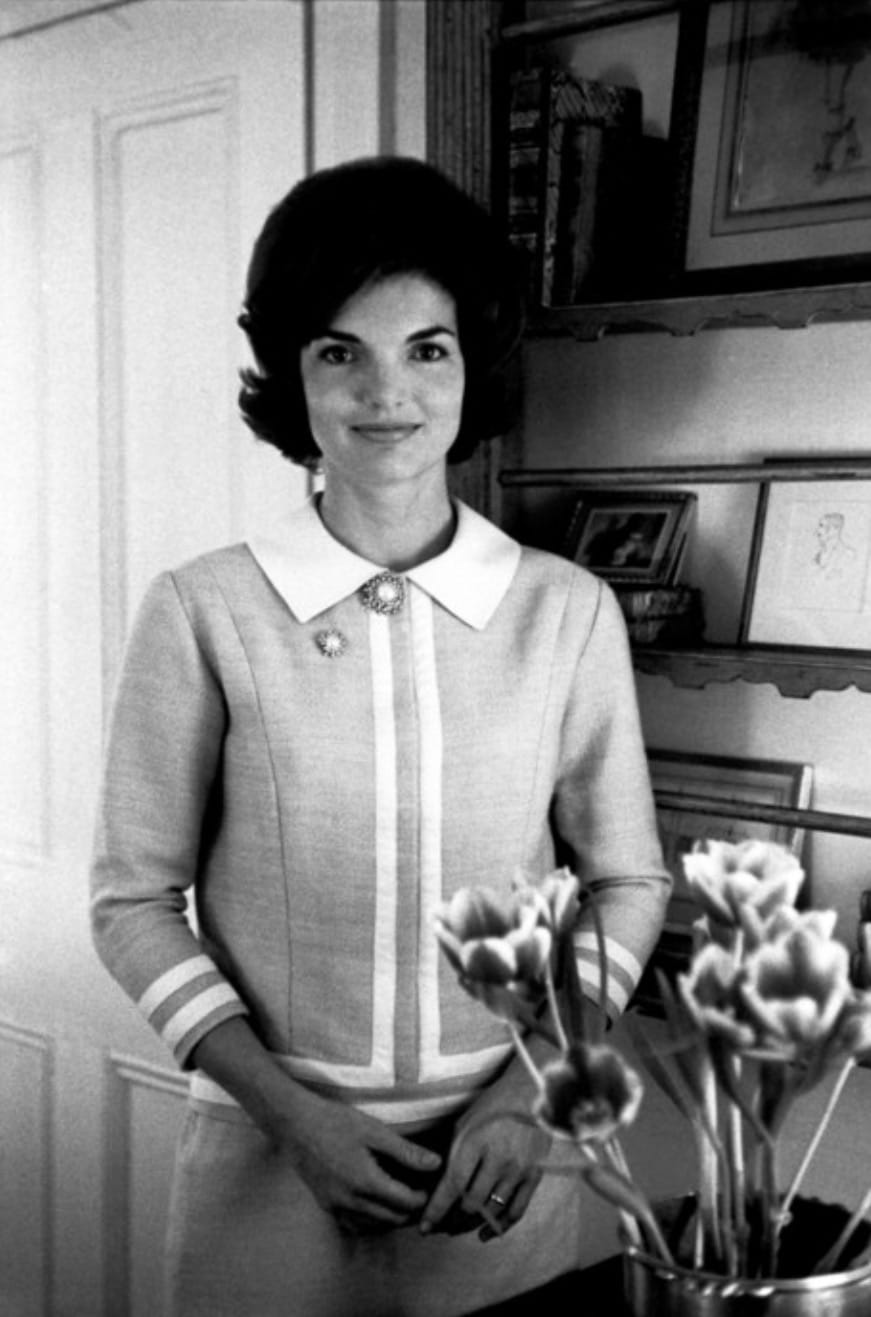
When you rearrange according to popularity these all rise to the top. That one with her looking right at us is second, after the back of her husband’s head in the big Mr.President chair.
There is some logical period-appropriate subtext here. The first photos of the Kennedy’s in the White House are of Mrs. Kennedy and her daughter. And, Magnum mismarked them, they are in her Georgetown home, not the White House. A female photographer was sent by Harper’s Bazaar to take those.
Plenty of people are beautiful, especially people that marry powerful men; and plenty of women, especially first ladies, are smart like President Kennedy’s ”Braintrust” cabinet members. obviously, she was smart enough…beautiful enough…but those were skills in service of a bigger brilliance. She, like her husband, was a humble student of history. It made her an expert on powerful men. She had access to all of the most beautiful art in all of the forms from very young, and she had the humility to let it move her.
Despite the Kennedy’s money, I wonder whether John Kennedy saw that he needed a partner that could imagine the beautiful world in which he is a hero. It’s not just that world leaders needed to see a powerful and sophisticated country reflected in its seat of government, and they needed to see that a Republic like the US finds its best “ruler” through elections…he needed her understanding of how to construct and live in a beautiful world that the other politicians and the citizens can look at and understand. She was doing the work of taking our ’hero’ narratives and forming them to Democracy and government and the US. And she believed in her husband.
That poignant solitary photo of Jackie with the carriage…I think understood her…somehow. Like, here are all these exciting, excited, young, brilliant men—the best the country has—and she is circling the building with a human that can’t talk to her. Did the moviemakers and Ms. Steinem get it a little wrong? Jackie knows that she occupies a position that is more important than a cabinet position, she important to the citizens and the powerful men and she owns it?
When people do plays or movies about someone…it makes you want to assign a thesis statement to a life. I’m doing that now with Gloria: A Life. We need the Jackie to get the Gloria, though. Jackie takes place in the space of 2 huge weeks. While that short amount of time probably cannot get a person’s hero’s journey; if the event is that dramatic, I bet it holds clues to what makes a person extraordinary.
I didn’t nail Jackie’s thesis statement, yet. … but neither did that movie…