The New Woman
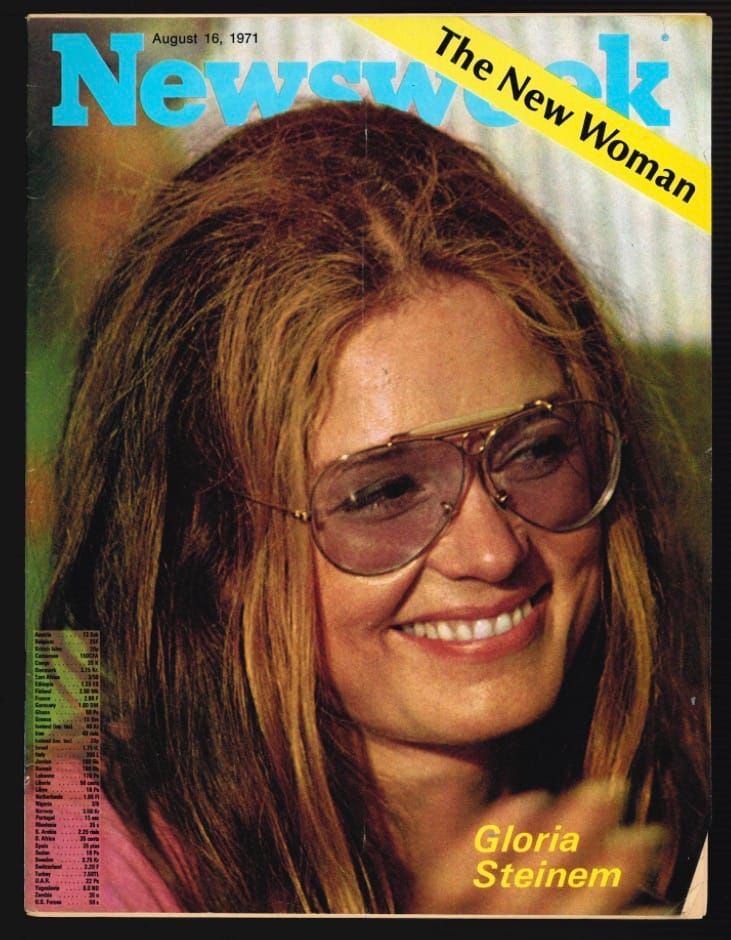
Gloria Steinem replaced Jackie Kennedy Onassis.
“Fashion in the past meant conforming and losing oneself. Fashion in the present means being unique and finding oneself.”
All the fashion historians I know would confidently add this chronology to that quote: “Fashion in the [1950’s and 1960’s] meant conforming and losing oneself. Fashion in the [1970’s…on forward] means being unique and finding oneself.” …actually, we have some little blips of group uniform since then, but they were way more optional than the uniform of the 1960’s:
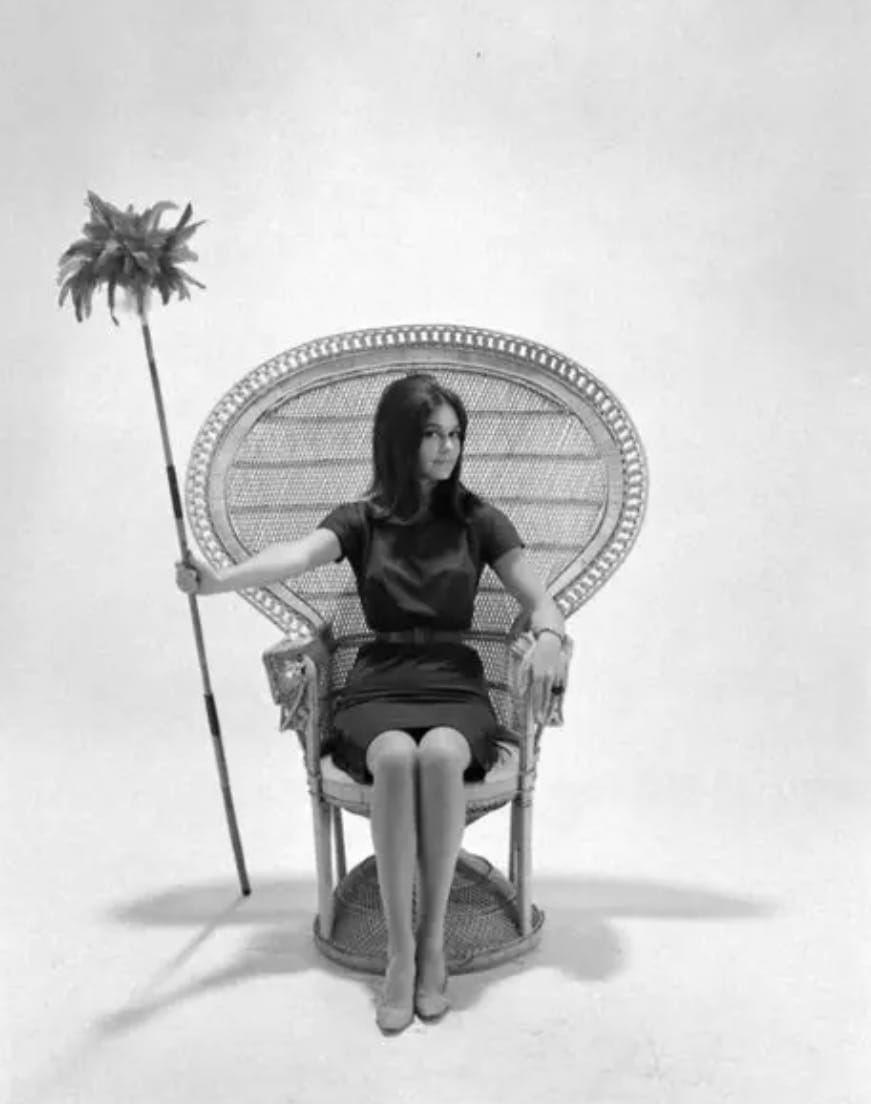
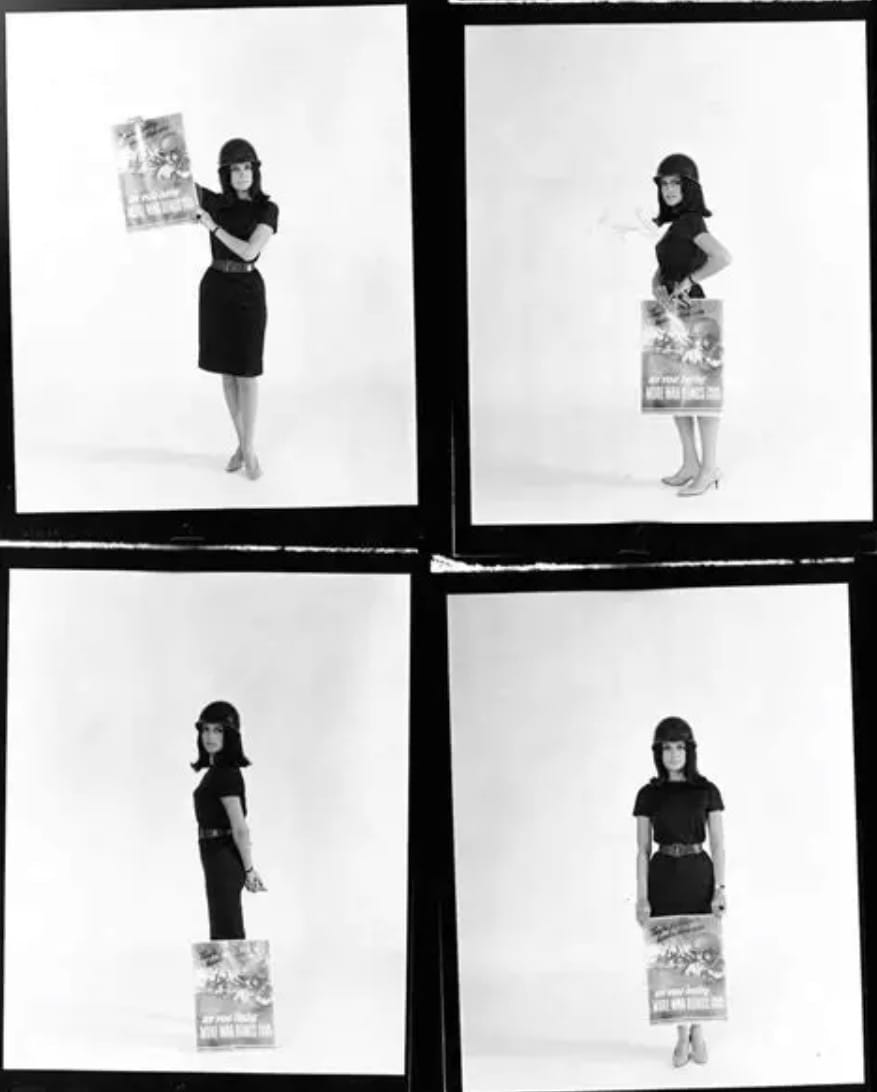

Last month Vogue said, “True to her word, when it came to clothes, Steinem never followed the crowd.” … [after 1969] … you need the chronological marker to make that opening statement true.
She had to shake Jackie off, first.
You know when you are supposed to start a new chapter in life, but! there is some big idea you used to have that is in direct conflict with the new path? My mom would always mention that the awesome students in her high school whose parents had not gone to college seemed to only ever get an Associates degree at the local college. That‘s my earliest, clearest example of the 2-paths-at-odds internal dialogue played out…my most recent example has to do with parenting less and working more…not enough distance to have clarity on that one! But, this foray into Steinemstan and Jackieland is helping.
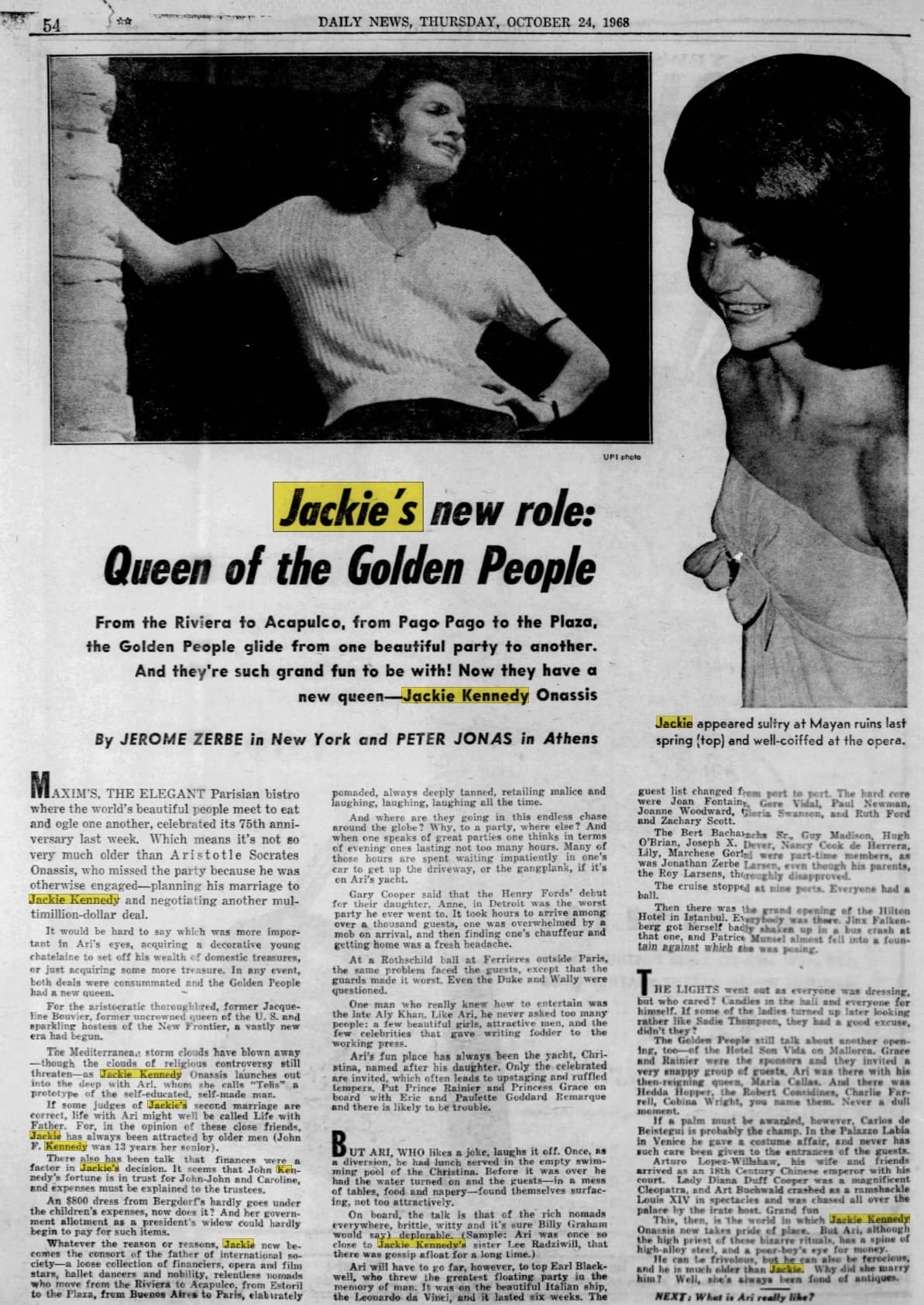
I think seeing Jackie now-Onassis in the news a bunch because she married another powerful man clarified what Gloria did not want for herself. Jackie’s 2 marriages looked like they formed a pattern, which seems to indicate an identity: wife-as-profession/husband-as-identity.
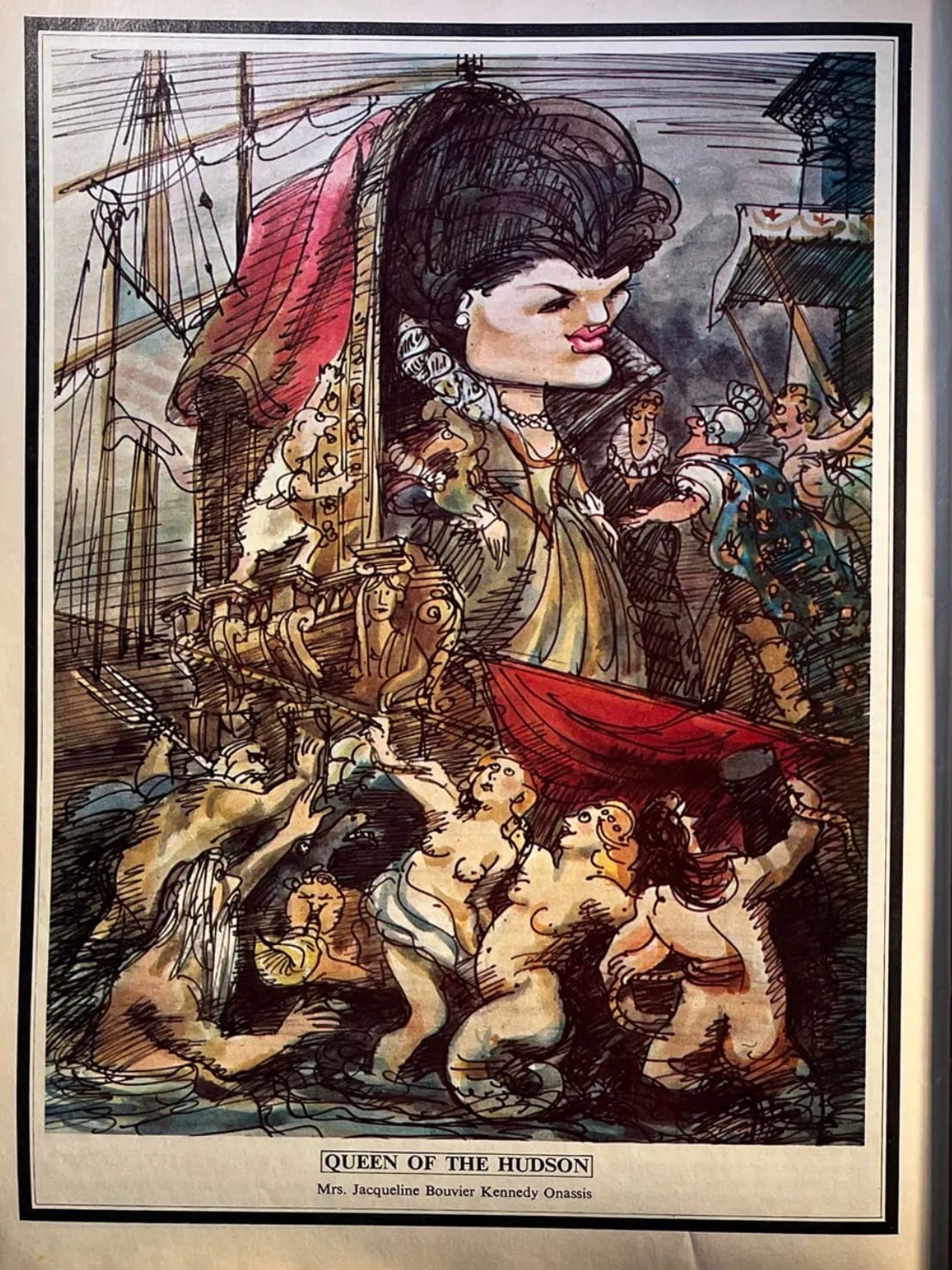
Time to mentally and physically distance from Jackie! Who’s with me!?!
I’m seeing now that our lives’ thesis statements are often patterns; those ah hah! moments that feel like “inciting incidents” have predecessors. It’s easier for Jackie’s two marriages, n of +2. to look like a pattern than Gloria’s rarely-married life, n of 0.
However, Gloria‘s pattern of choosing work is so consistent and had many more than 2 examples: dancing as a girl because that was a job women did (not aspiring to be a wife and/or mother), choosing research and writing in India (to break off an engagement), maintaining her writing career by accepting a lot of sexism (females-only assignments, bosses and peers aggressively hitting on her, constant gender-based disparagement), maintaining her writing career by calling out sexism (when it got in the way of her doing a job), not visiting her mom or dad as much as she wanted to when they were in the hospital (MLK interviews, speaking engagements), choosing not to have kids, never retiring. Does that all count as n of -10? or, more like n of +32,850? those are all of the days she chose work in her 90 years.
The Glorias, the Julie Taymor movie, has this bus/travel throughline that Steinem unpacked in My Life on the Road. Emily Mann’s play, Gloria: A Life unlocks the tools Steinem learned in youth—travel, sharing stories, gathering—by using those same tools to make the hard memories a source of power, not pushback. She outlines this approach in The Revolution Within: A Book on Self-Esteem. She helped write them both. On the surface they seem like activism how-to’s she would like us to adapt to our own lives. They feel like one ah hah! moment after another— How she found the tools, and how she used them.
She says, “the personal is political”, and, so, the politics are implicit in her whole life story…but, the content of her political work is brief and summarized—they aren’t the center of her lifestory.
… I think her big thesis statement for her life is, choose work; women need to choose work. I don’t buy it that she just wants everyone to have the option, which is what she said a month before she passed.
Marilyn Chooses Work
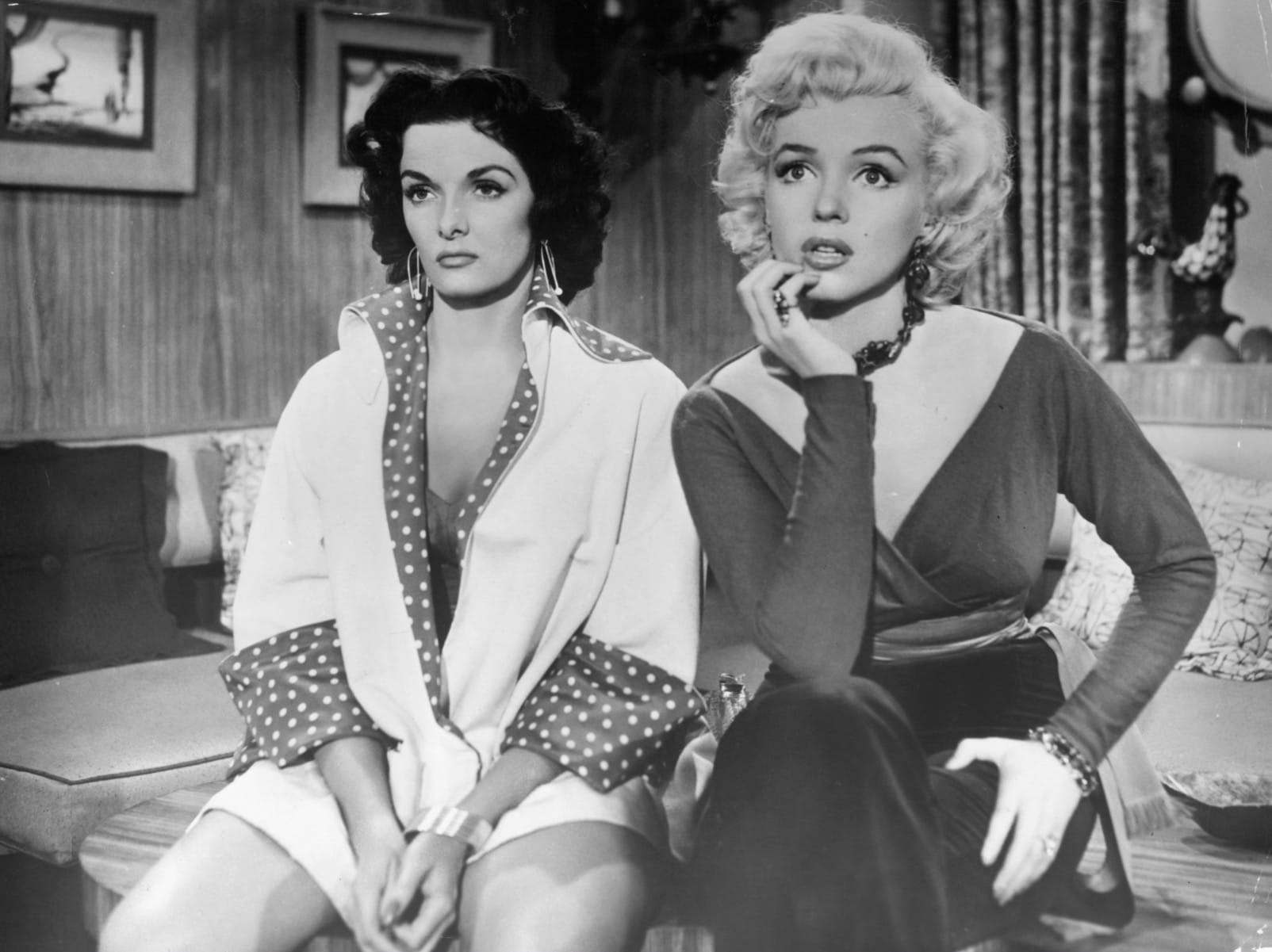
As a teenager in 1953, Gloria walked out of Gentlemen Prefer Blonds, miffed. The“whispering, simpering, child-woman” was so vulnerable and girl-like, and also openly sexual—the two paths that a teenager gets to consider. The idea that you could keep the comfort of girlish protect-me vibes and be very available for sex…pissed her off. It clearly wasn’t the dolled up blondness…otherwise Jane Russell may have overpowered her Marilyn anger-reflex and stayed in her seat. She says that her revulsion surprised, “I loved all movies.”
Meanwhile, another Smith college student was doing a full Marilyn impression on the beach!
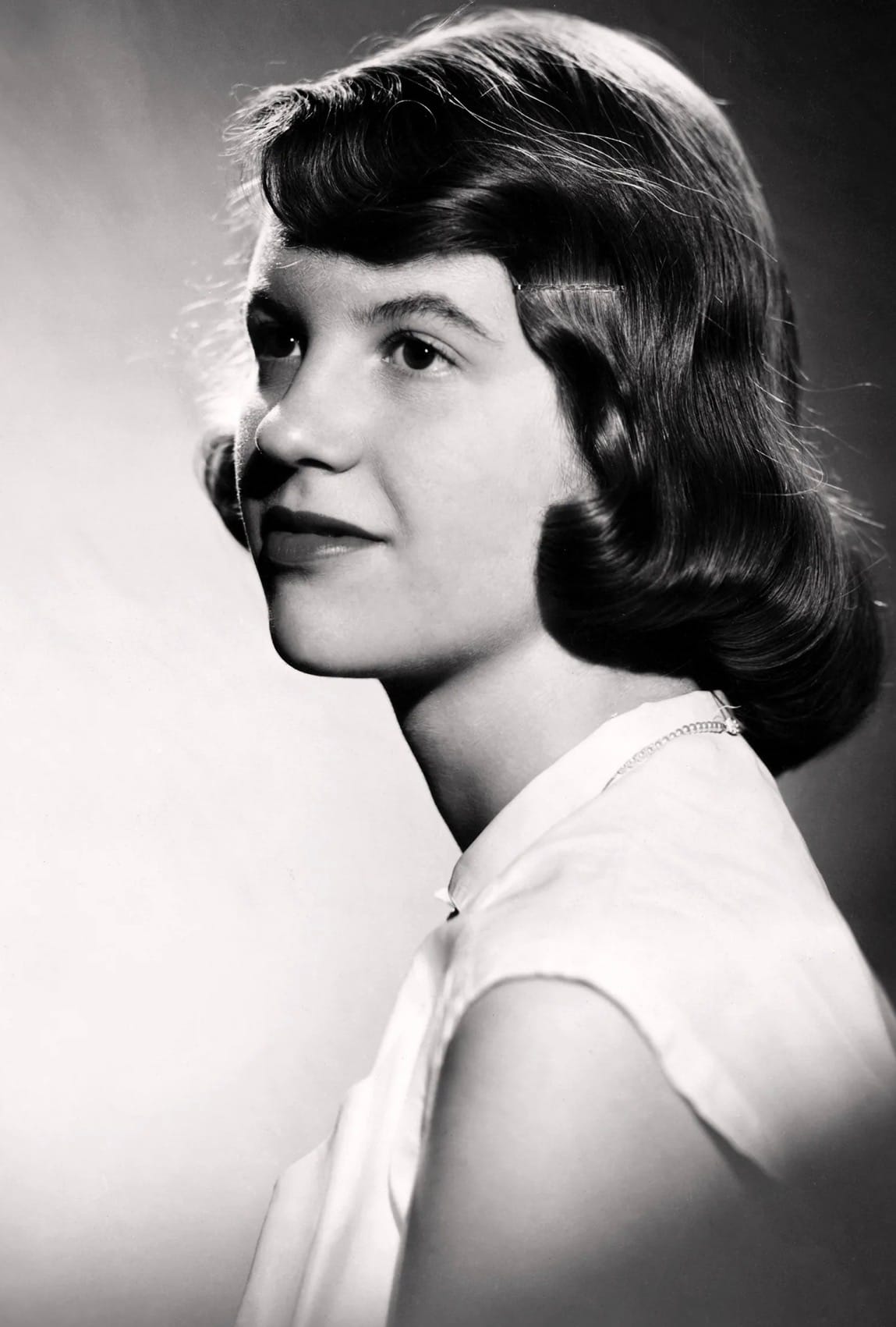
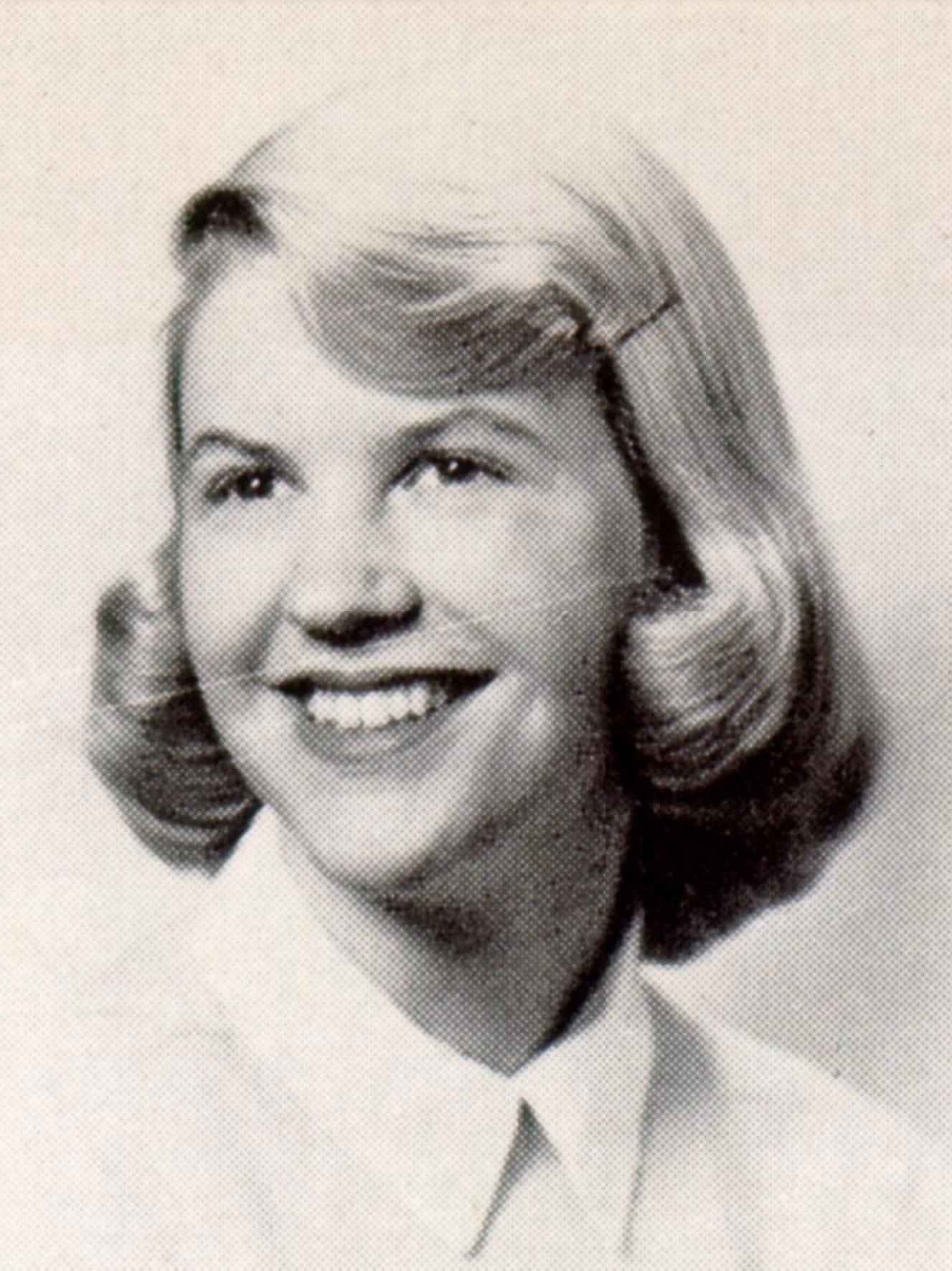


Sylvia Plath preferred blond. 1952, and then 1954 — the Marilyn effect.
I am sure that Smith in 50’s had a unique-to-there culture. Steinem‘s culture shock included being “in awe” of the ivory tower and unsettled by how … ivory … everyone was. She can relate that dual feeling easily in a monologue for a play about her life. It does take bravery to admit that as a teen she “accepted a racist, sexist answer” because she wanted to revere this place. But, there are sneakier culture shocks that must feel just as challenging but harder to put a finger on. How can you describe the culture shock of Smith’s already famous alumni, the revolutionary writer Sylvia Plath, who was teaching at Smith while Steinem was there…being a woman who either emulated or empathized with Marilyn Monroe, the “child-woman”.
Did Gloria pick up on the little ways that opioids altered Sylvia Plath and Marilyn Monroe’s presence? They, like Gloria’s mother, had been prescribed a variety of sleeping pills and anxiety meds and mood-enhancers, etc. Gloria credits her mom giving up her job as a writer for the nervous breakdown that led her down the doctor/drug path.
But, Marilyn and Plath do work. And, they are just a few years older than Gloria. A main component of their work is vulnerability. Neither wanted to be addicted to those meds; they both really, really wanted to work, though.
12 hours a day in equatorial sun might bleach an adult’s hair platinum; but, the vast majority of blonds are very young children. Marilyn was told to dye her hair, then kept it. Sylvia chose it and then let it fade over time. These two were that kind of cutting edge honest that pushes society to own up to something exciting and uncomfortable.
Did Audrey Hepburn make anyone uncomfortable? Ballet posture and pan-Euro aristocrat accent that make her the princess of the whole continent. The wide-set eyes is more often very young child than adult…again.
This seems to be the other look that ruled the late 1950’s…

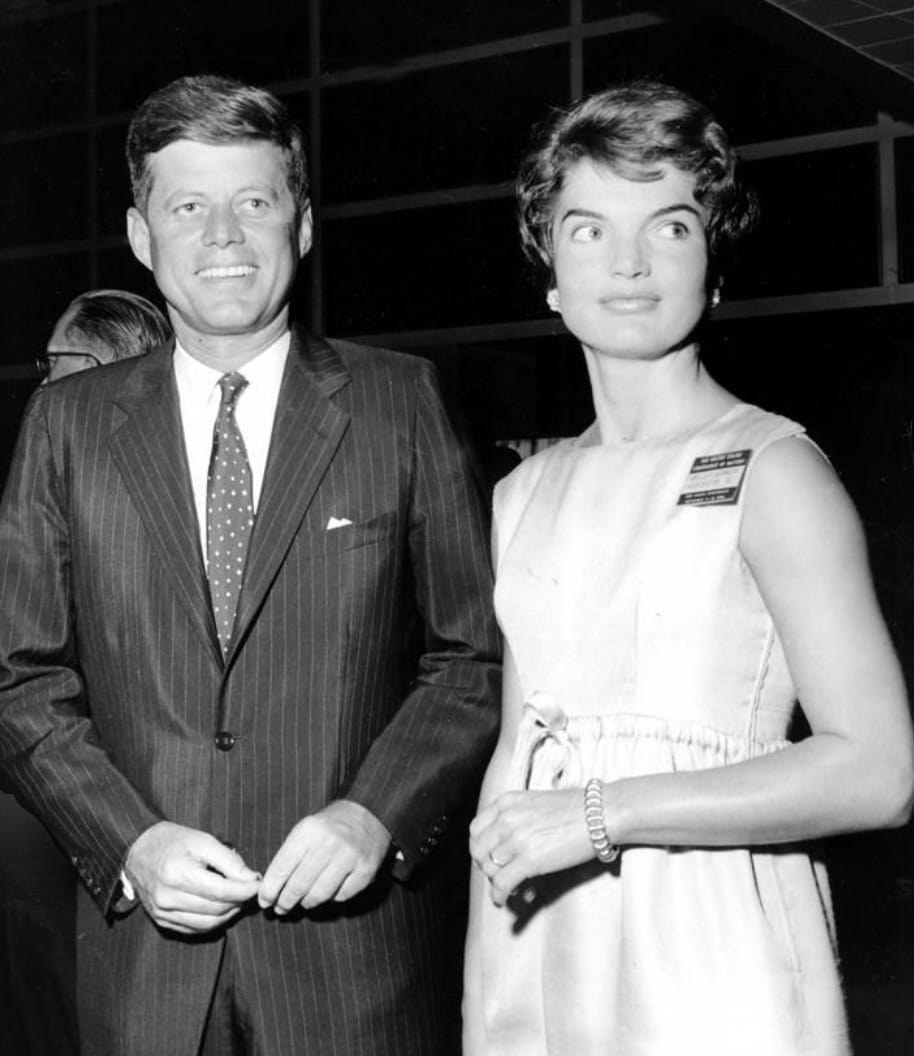
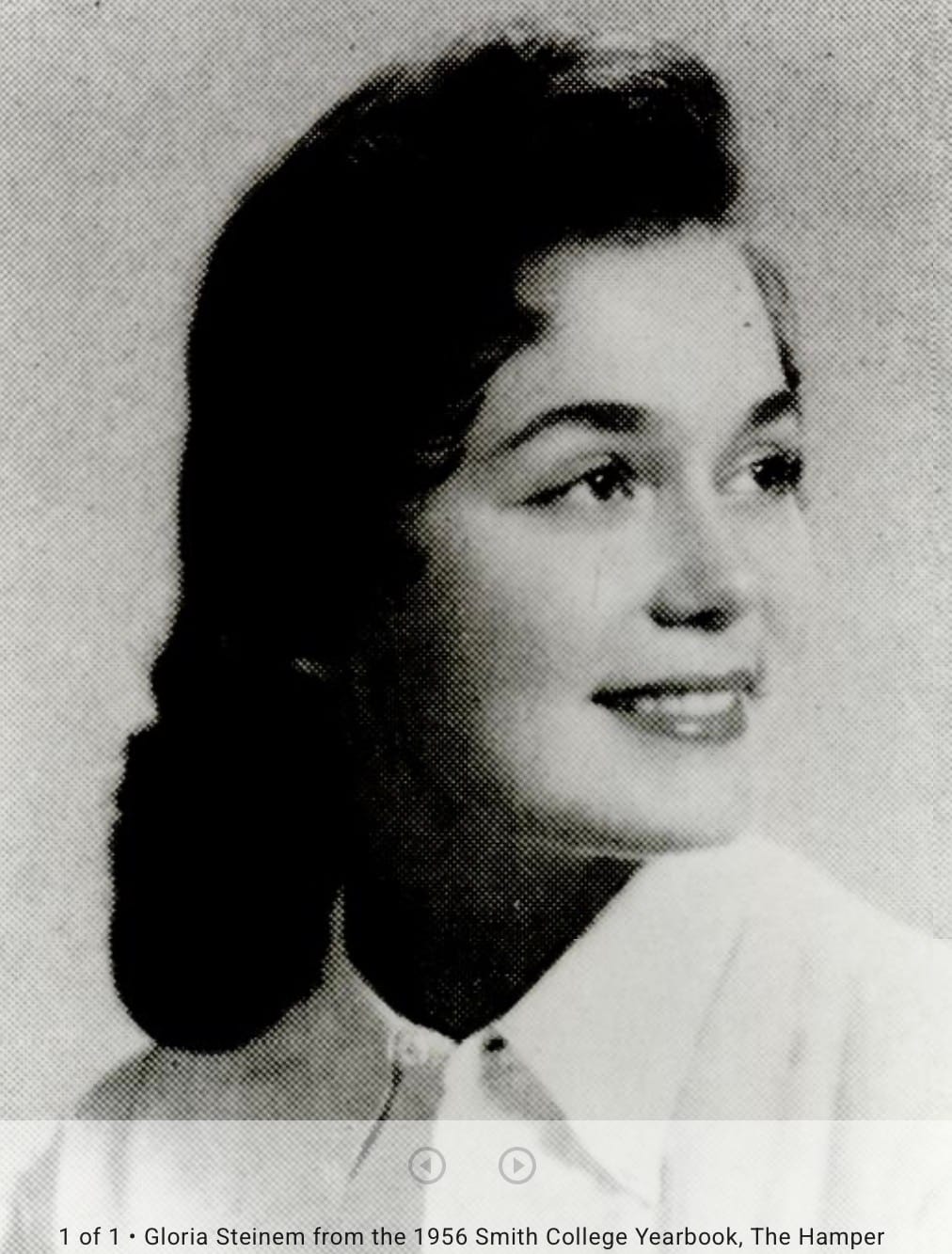
Audrey Hepburn in 1957, JFK and Jackie the same week that he would speak at Smith in 1958, Gloria Steinem’s senior portrait in 1956.
Steinem seems to be wearing this look from college all the way into the mid-60’s. I think that spread above has her in the same turtleneck as Ms. Hepburn.
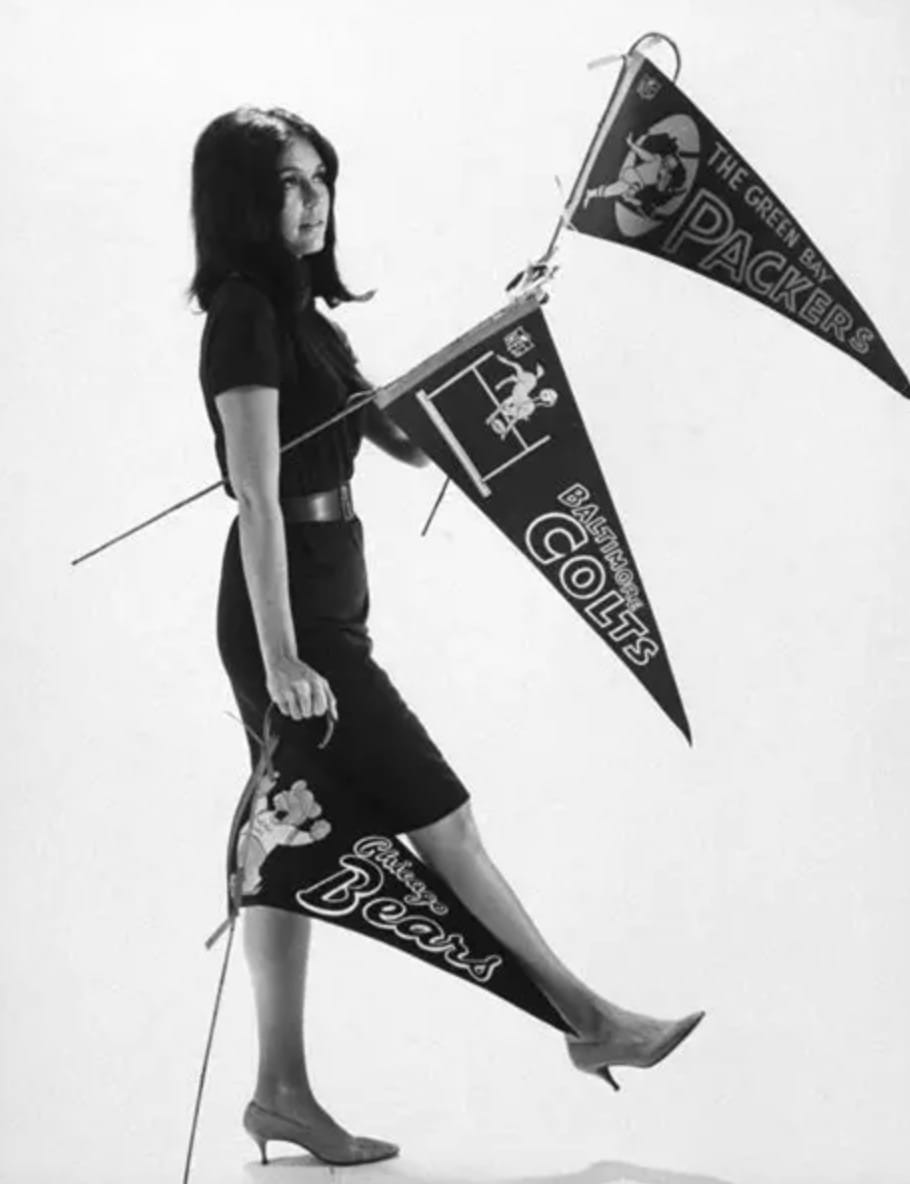
Jacqueline Bouvier had spent her junior year at Smith’s Paris program. I wonder if that gave any Smithies a sense of familiarity when they noted who their congressman, then senator, then president was married to.
The year before Gloria arrived at Smith Congressman John F. Kennedy taught a class on international relations; and the year after she left Senator John F. Kennedy gave the commencement address. He implored the Smithies to consider working in politics, Gloria had majored in Government. Check! Then he used as the example of why the country needed the best and brightest to work with him in politics, India! Exactly what Gloria was doing in that moment. Check, check!
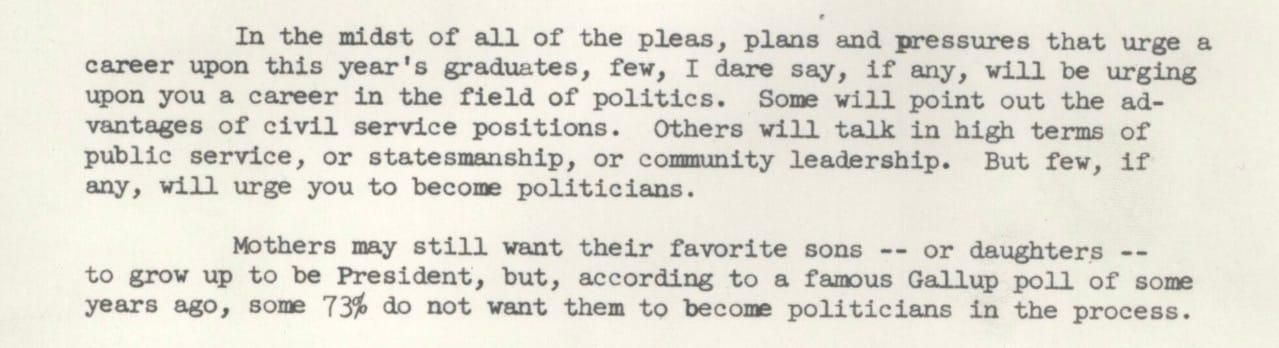
The rest of this speech was built for college graduates, it is so full of historical references and questions about what precedents apply to the current moment. No mansplaining the function of the Senate, or the specifics of India’s economics—this speech is dense and difficult!
I think his faith in their abilities to follow his dense speech, his appreciation of their potential power touched me so much on the second read that when I got to him asking them to shape our country and world, I cried.
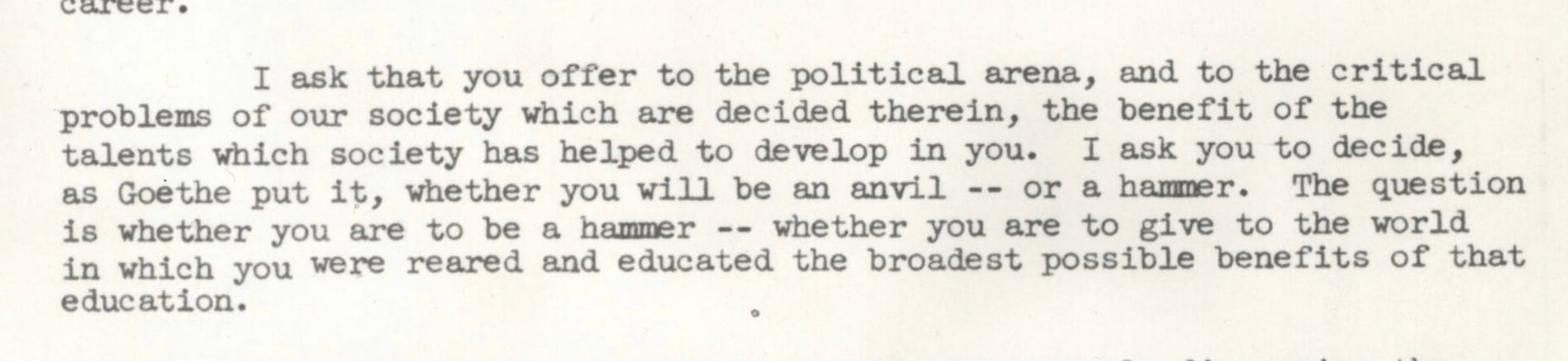
He started the speech by making fun of how skeptical everyone is of politicians and politics. But he sees politicians as hammers, active shapers of our world…and he contrasts that active role with the profession of the folks that invited him. Academics as anvils:


…did the repeated use of ‘his’ in that appeal make a conscious or subconscious dent in that appeal to these young women? Those masculine pronouns were so ubiquitous…but their subconsciouses must have registered that at least a little.
He was Massachusetts senator at the time, with only one female colleague in the Senate. And he invokes the dream of a woman President…he made jokes later about getting votes out of college-educated voters…I want to believe that he was not just currying favor and votes. However, JFK’s all-male cabinet was a step backward. FDR’s Labor secretary was female and served all 12 years. The administration that Kennedy would follow, in office during this speech, had a woman as Secretary of Housing and Welfare.
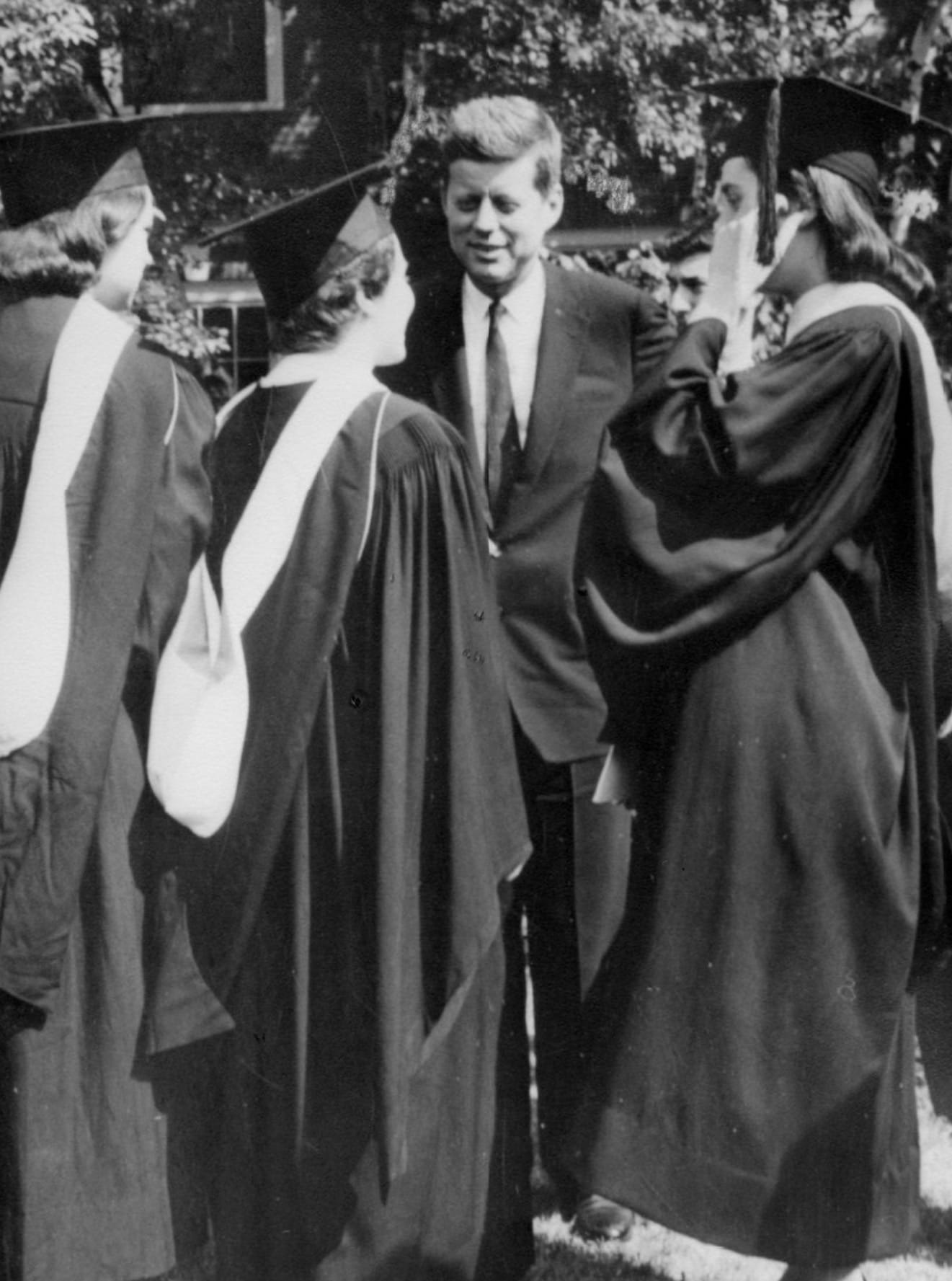
Gloria Steinem would have heard about the commencement speech when she got back from India and talked to students about her trip. I’m sad she missed it, though. Evidently, no Smith professor ever told her she could be president.
14 years later, “The New Woman” gave the 1971 Smith commencement speech.
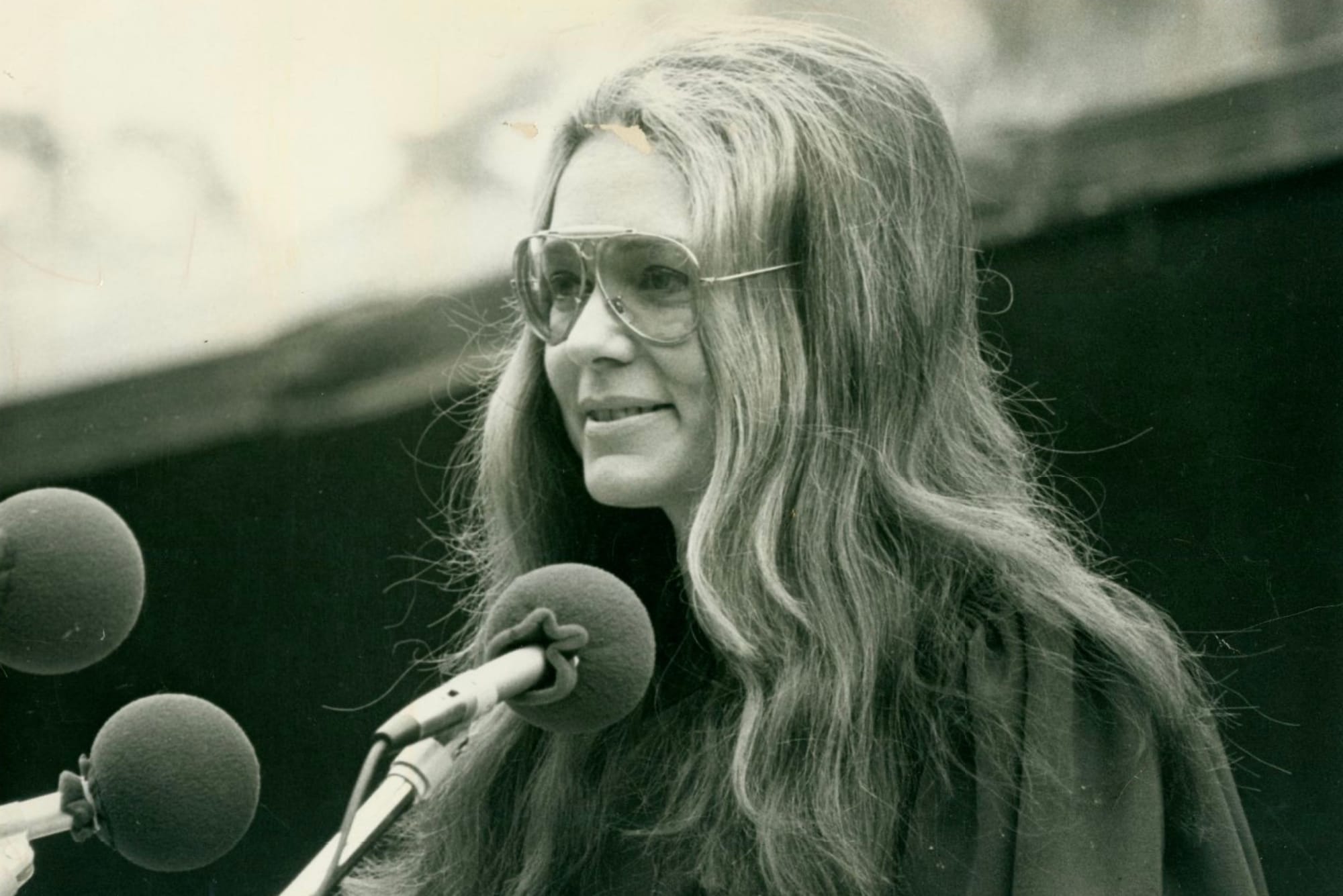
She expressed her surprise that she could give the speech, as she was ‘not a white man…probably old’…which was her impression of what the commencement speakers at Smith always were. Smith had it’s first commencement in 1897; Ada Louise Comstock, a graduate of that first class, was the first woman to give a commencement address in 1925, then in 1943 and 1944 two women spoke, but these are the only years there were 2 speakers listed for each year, 2 men to complement the women. That’s it, until Steinem. After her I’m seeing all female names. (…a few more tears over here…) “No one asked me why my imagination couldn’t stretch to include commencement speaking; any more than they did to ask me why I couldn’t imagine being a politician, a business executive, an engineer or even a writer.”
She didn’t get to hear that white man plant or validate the thought that she should enter politics. didn’t hear that he thought being a writer was even beneath what he had planned for Smith’s best and brightest.
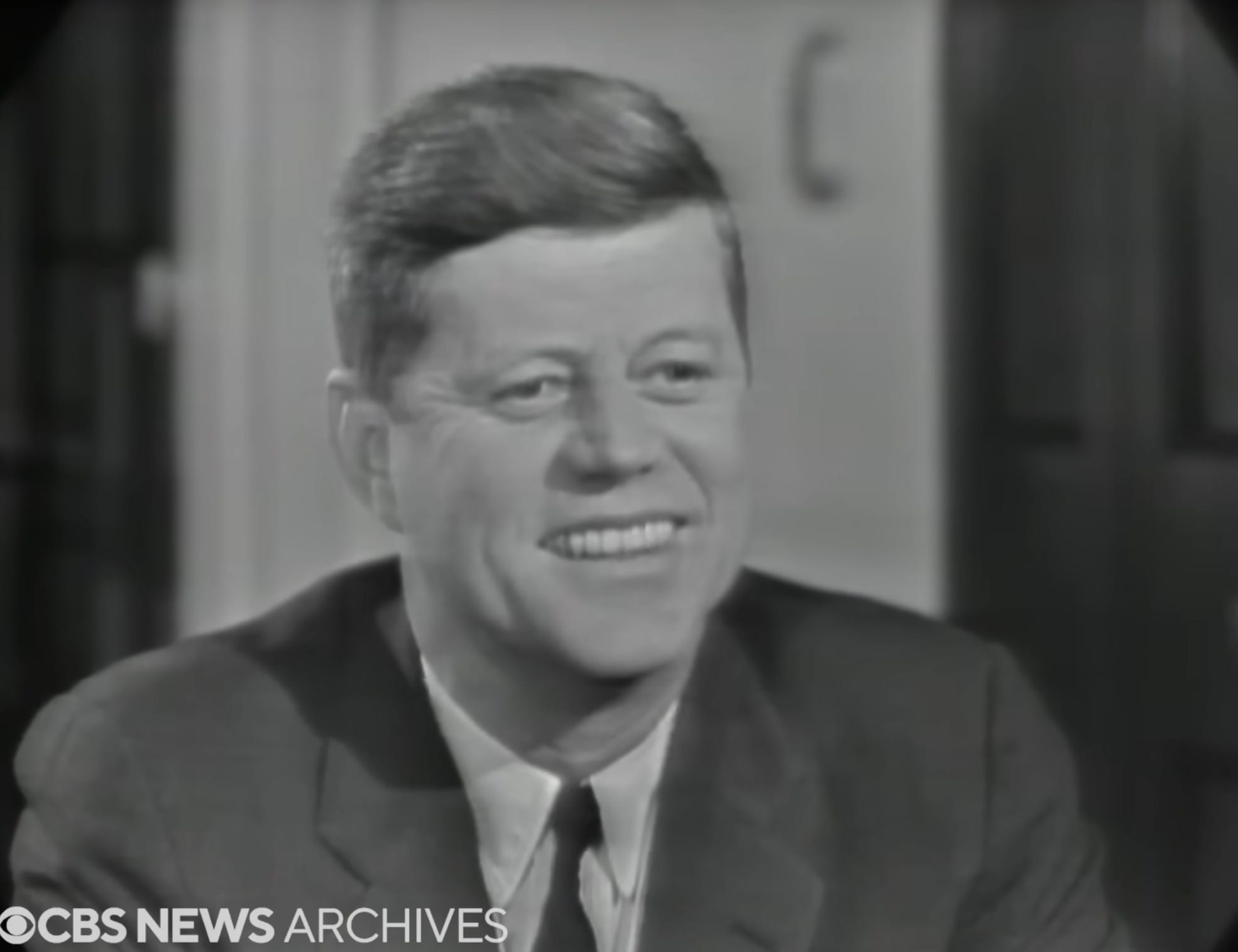
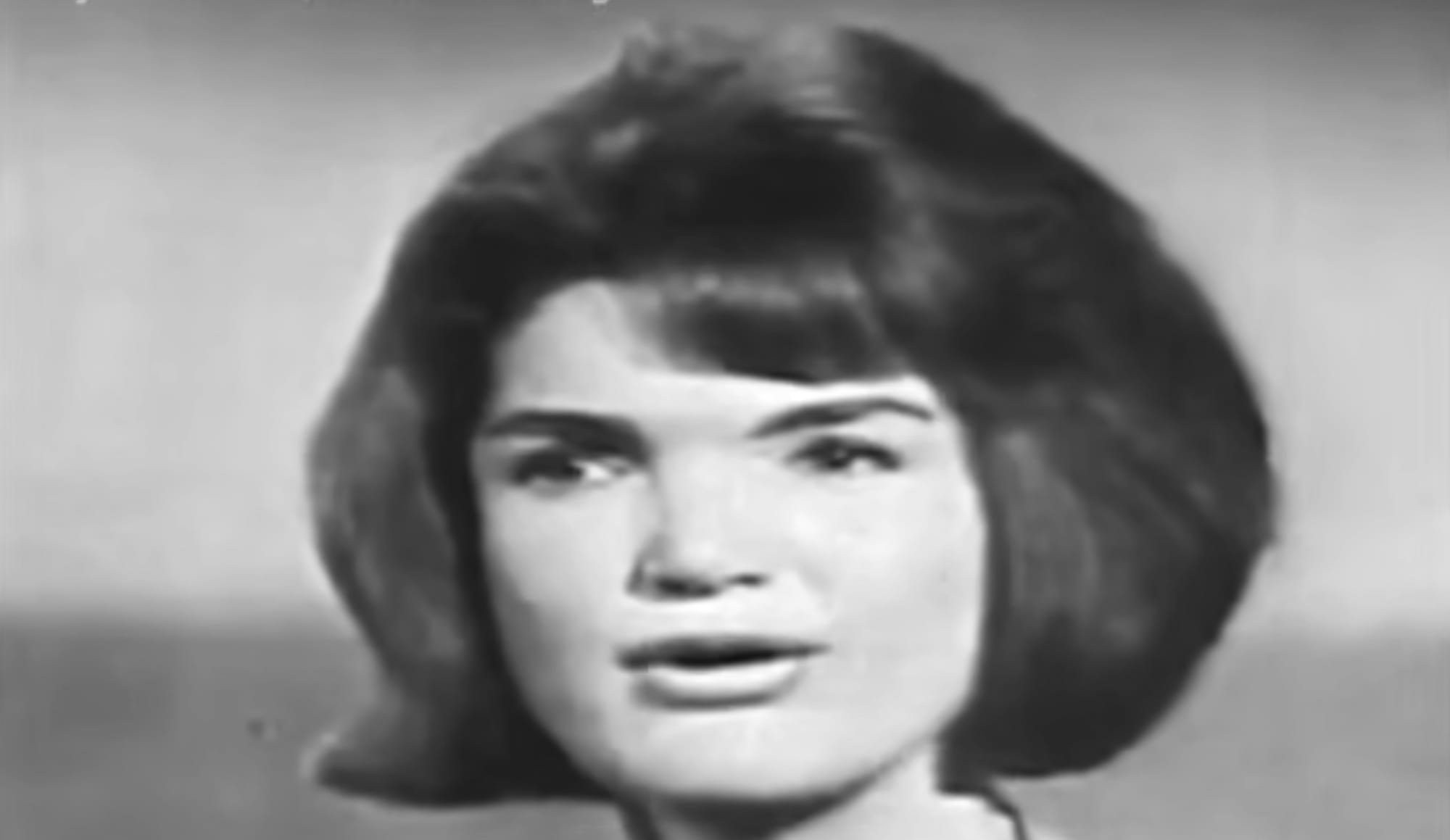
Kennedy laughs when he includes ‘girls’ in his wish for kids to visit the White House and consider that they might want to work here when they get older. I don’t know what to make of the laugh.
4 years after he was at Smith, in that tour of the White House, Kennedy pops in at the end to summarize and includes another plea for kids to think about entering politics, ‘even, I suppose, girls, too’. And, then, sooso so so tellingly, after he passes Jackie Kennedy omits girls from her wish for the ’young leaders of the future to come here and learn and be inspired by the JFK library’. She says young men twice. Not girls.
Would he have been the first who suggested it in her time at Smith? Equating academia to anvils is lightweight compared to the riot act that Steinem reads to these academics. Oof. Not pertinent to our essay, so I won’t list the litany of wrongs. She begins with the professions made available to her here. When she floated law school to the guidance counselor she heard,
“‘Why would you pay for 3 more years of school so you can sit in the backroom, research and type when you can do that now as a Smith college graduate.‘”
“True.” That got the only laughs. The rest was a serious anthropological treatise on ancient matriarchal cultures that worshipped the “cartel of procreation” that women ran. She muses on the moment that patriarchy occurred to someone “I like to imagine a big lightbulb moment. Ah hah! control the means of reproduction!” as the beginning of biology turned into a means of oppressing a group into cheap labor.
And then! She knocks down the career path most often suggested to Smith graduates of her generation—wife—by invoking her Marilyn image- ‘child’, and her Jackie image- ‘ornament’.
“The wives of rich men are usually not very powerful people. She is often an ornament and a child. She often comes realize in the middle of the movement that she has more in common with her maid than her husband.”
“Sometimes younger women say radical things but don’t act on them because secretly they are preserving their wish to marry a rich man and become a parasite and not upset the system too much.
Okay, that last one did get a murmur of delighted chuckles. I will take that as their admission that they didn’t know their secret wish to marry rich was public knowledge.
“We look to our older sisters, who have done that, and know it is not a real or human solution, no matter how rich he is. We have to have work of our own.”
Those seem to be directed right at Jackie Kennedy Onassis.
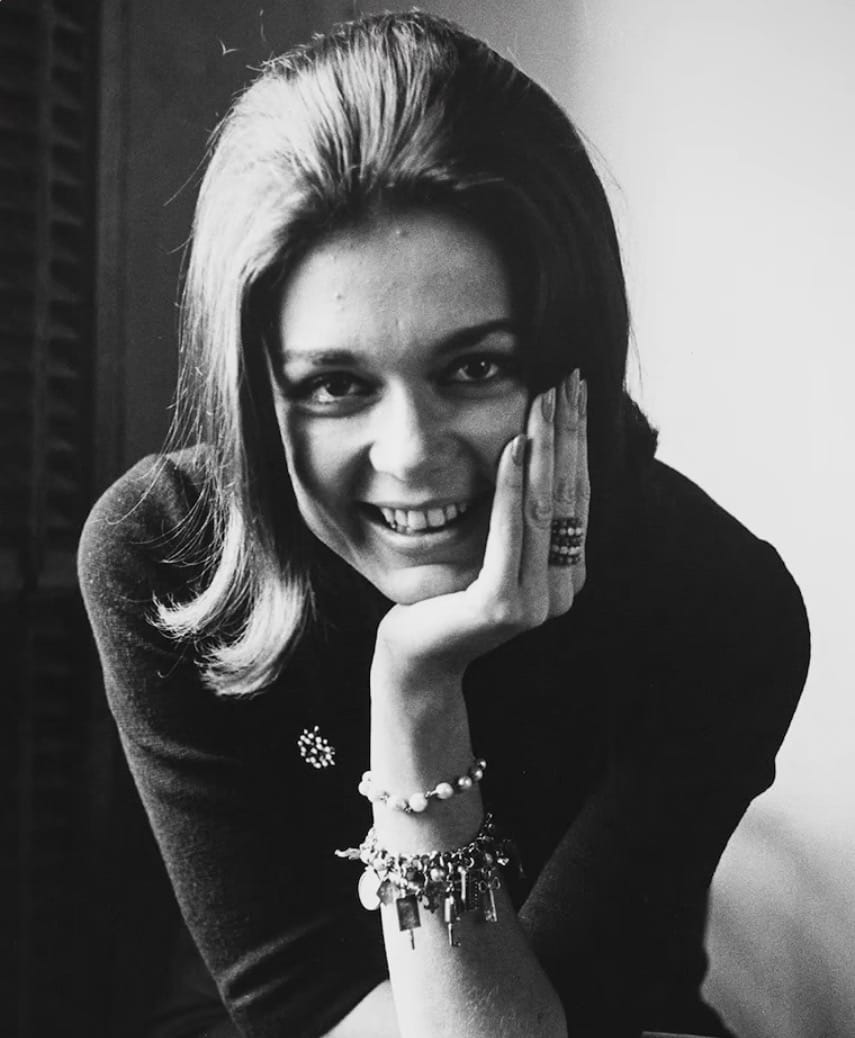
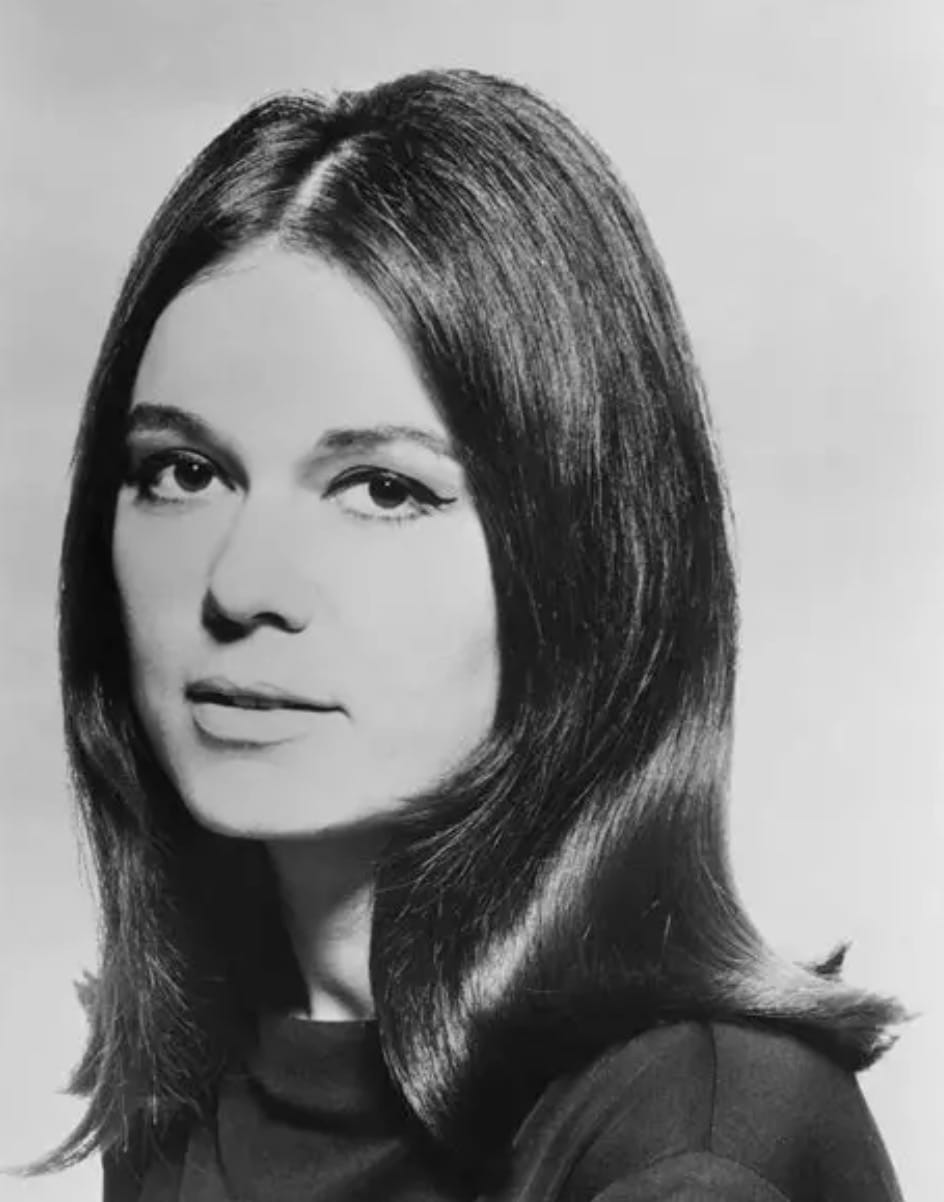
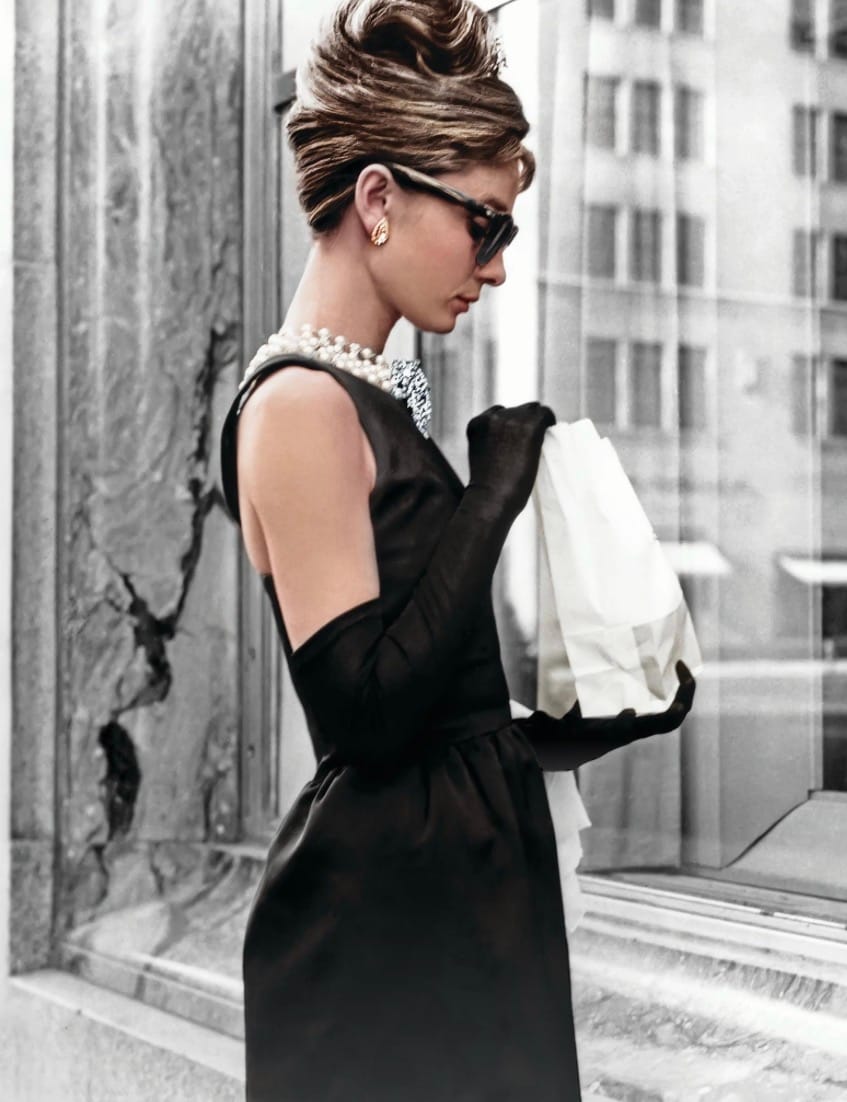
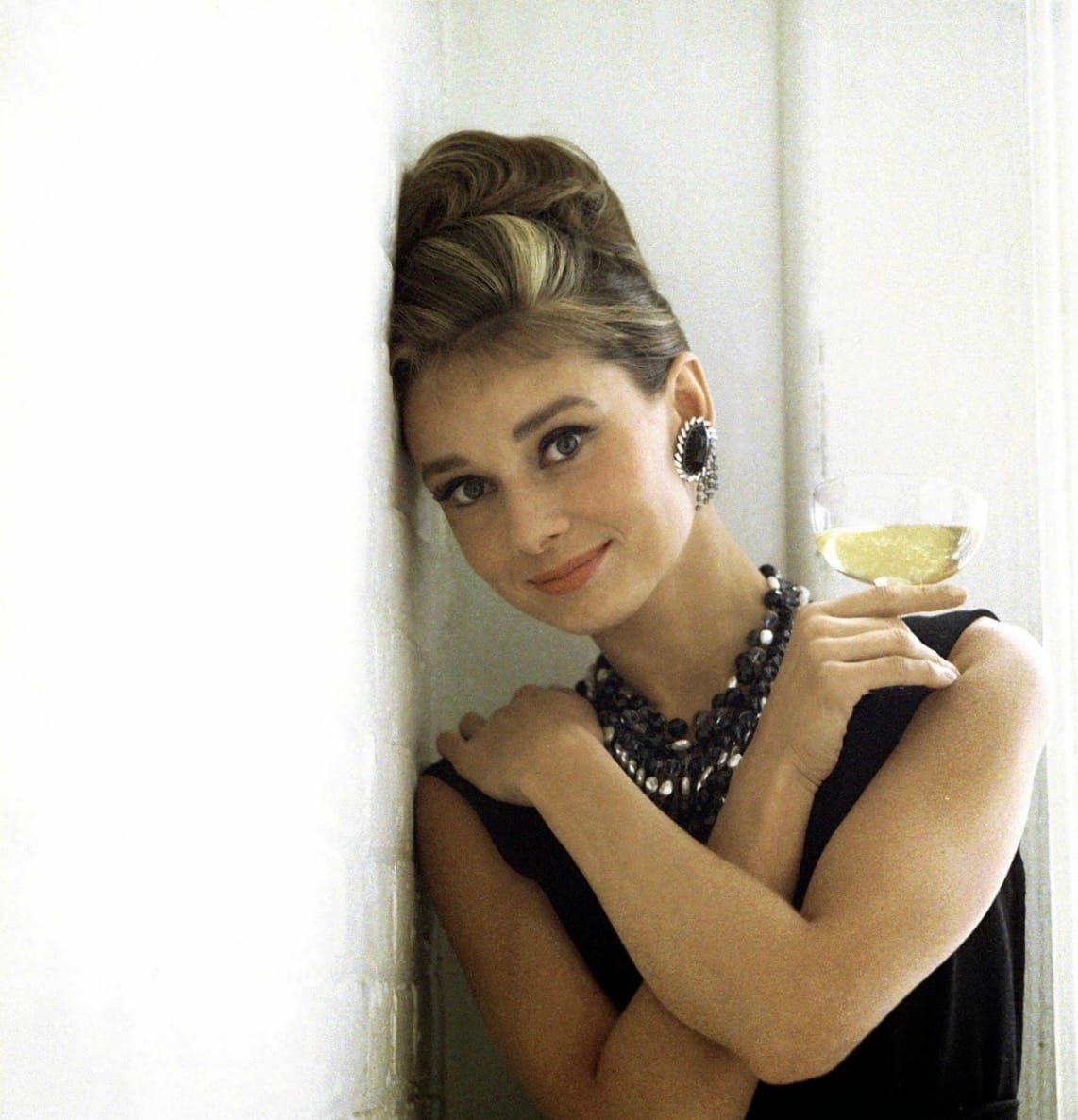
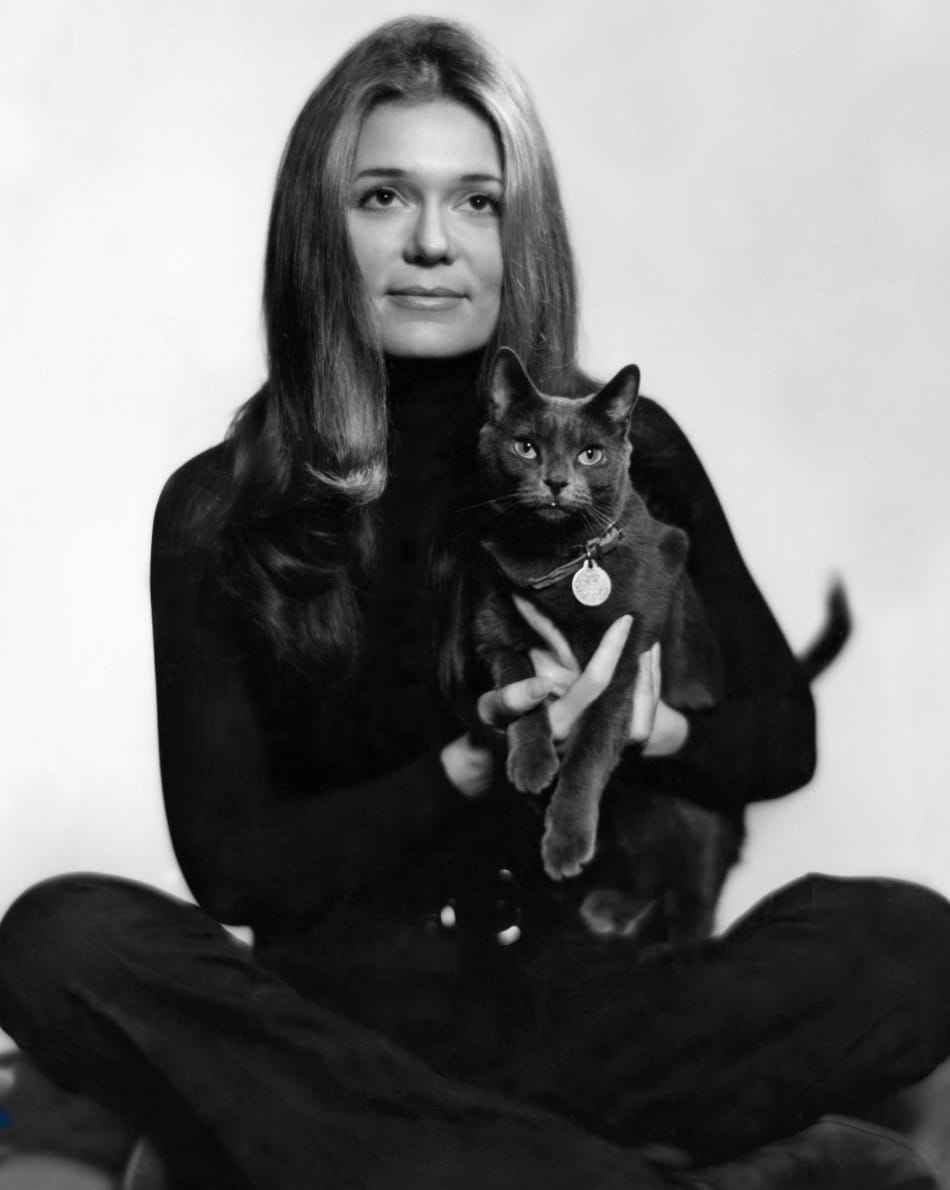
Steinem added the stripe after she saw Breakfast at Tiffany’s…Audrey Hepburn as a ‘kept woman’, right? Financially kept, but with her own identity? Neither of them looks like a child any more, though. But, this look, the Hepburn version, does still live in that woman as ornament world.
So, the Hepburn call girl look stepped her away from Jackie’s apparent identity, a wife...that’s not quite right either…you know, I see that it seems Jackie “did not want to upset the system”. Her husband at least said that his job could be done by a woman, and when he was gone, she reversed that. …just like the Tiffany’s obsessed call girl look is not really the identity that Steinem was trying affiliate with, Steinem keeps probing and finds better words for Jackie, and all first ladies by the 80’s. Let’s look tomorrow!