Whose Hero (image)
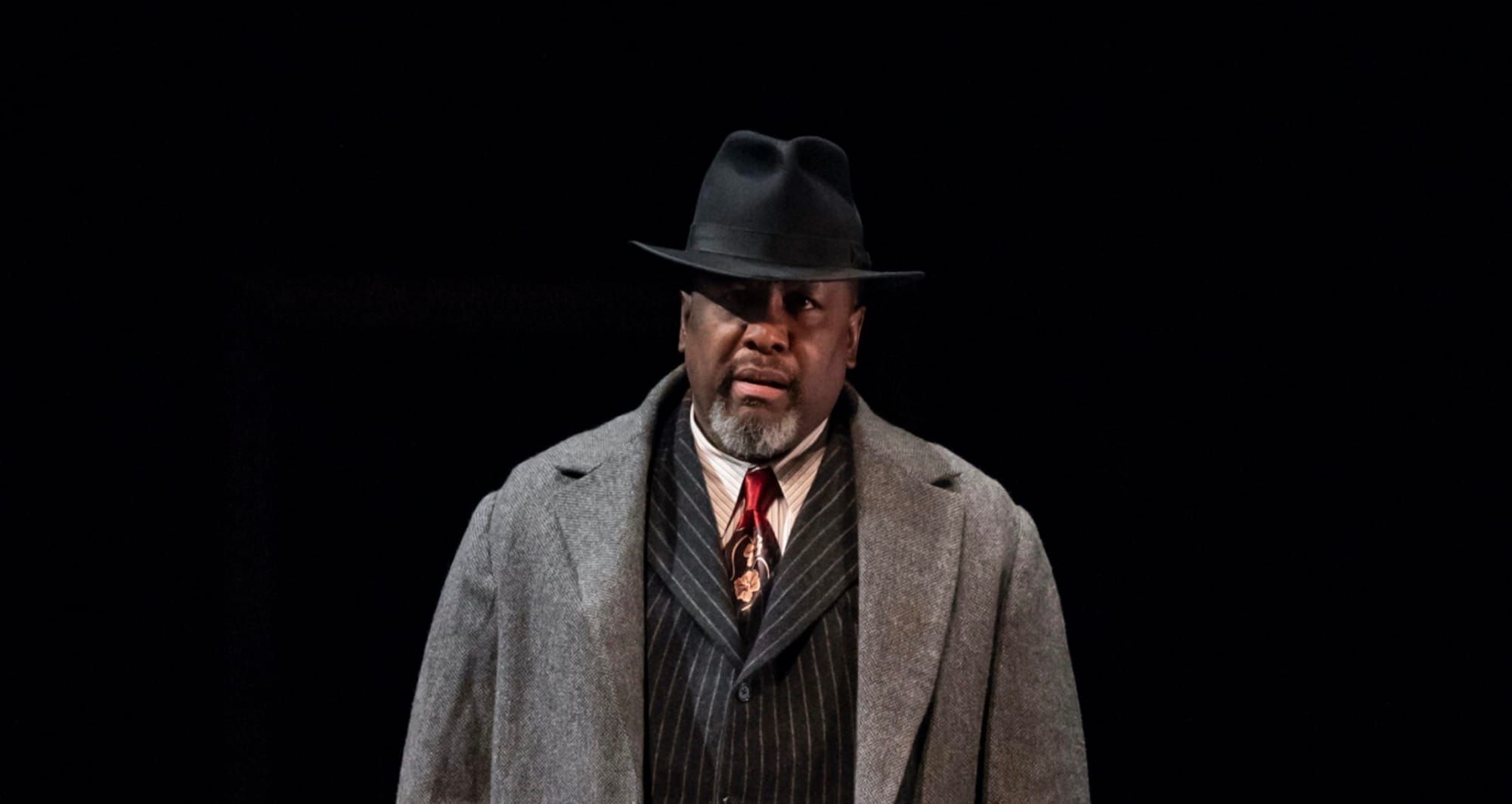
I called this first image the hero image of American theater at the beginning of the last essay…and by the end of the essay I changed my mind, and decided it is the second one:
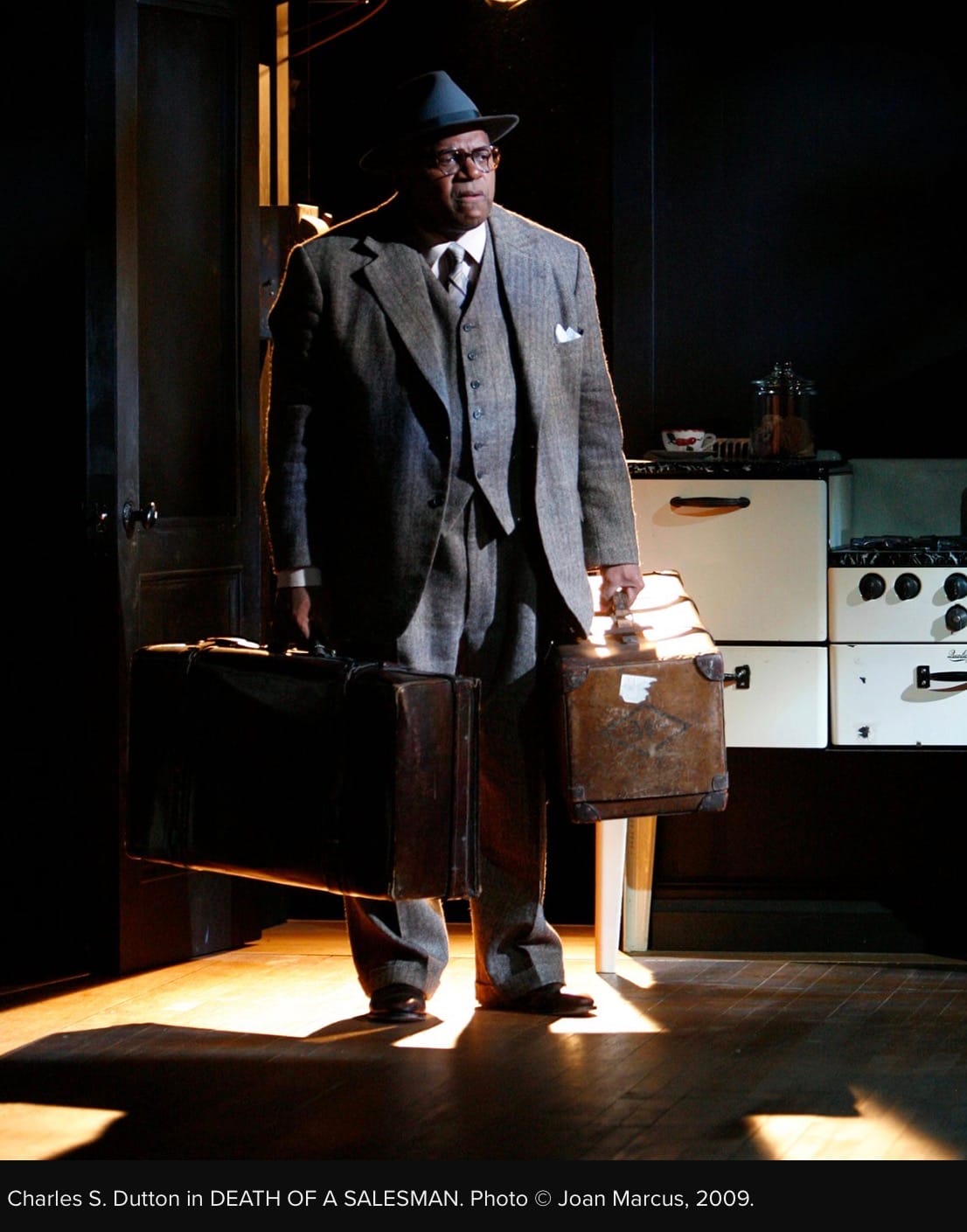
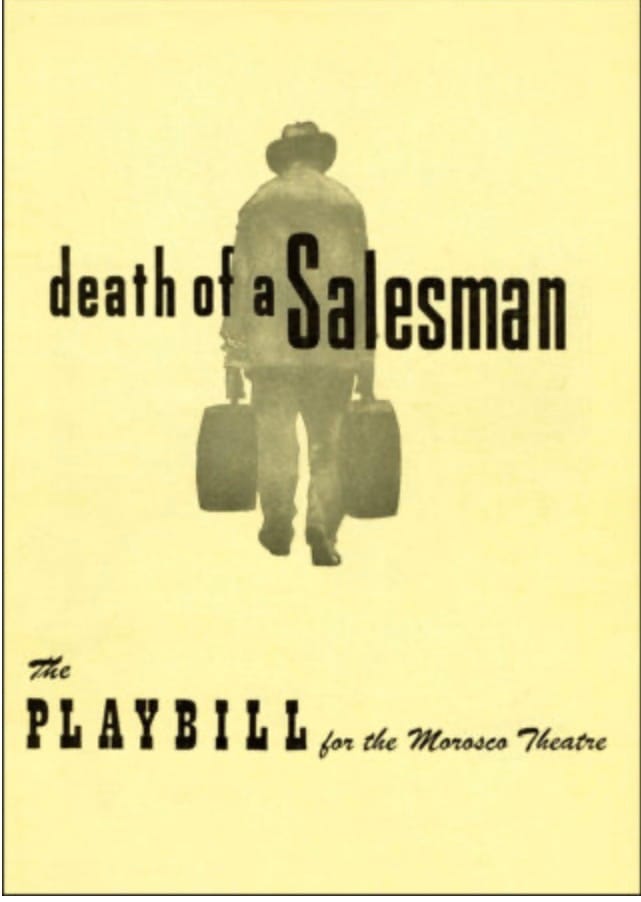
It‘s not that the first image is worse than the second. It’s just that the first derives some of its power from its particulars of time, person and place. It’s not that you can ever get a better Willy Loman than Roc Dutton; it’s just that it isn’t 2009 any more, Charles is too old, and no one knows him from Roc.
The character stays in purgatory with his back turned to us, always going, until someone from the right-now fills his shoes.
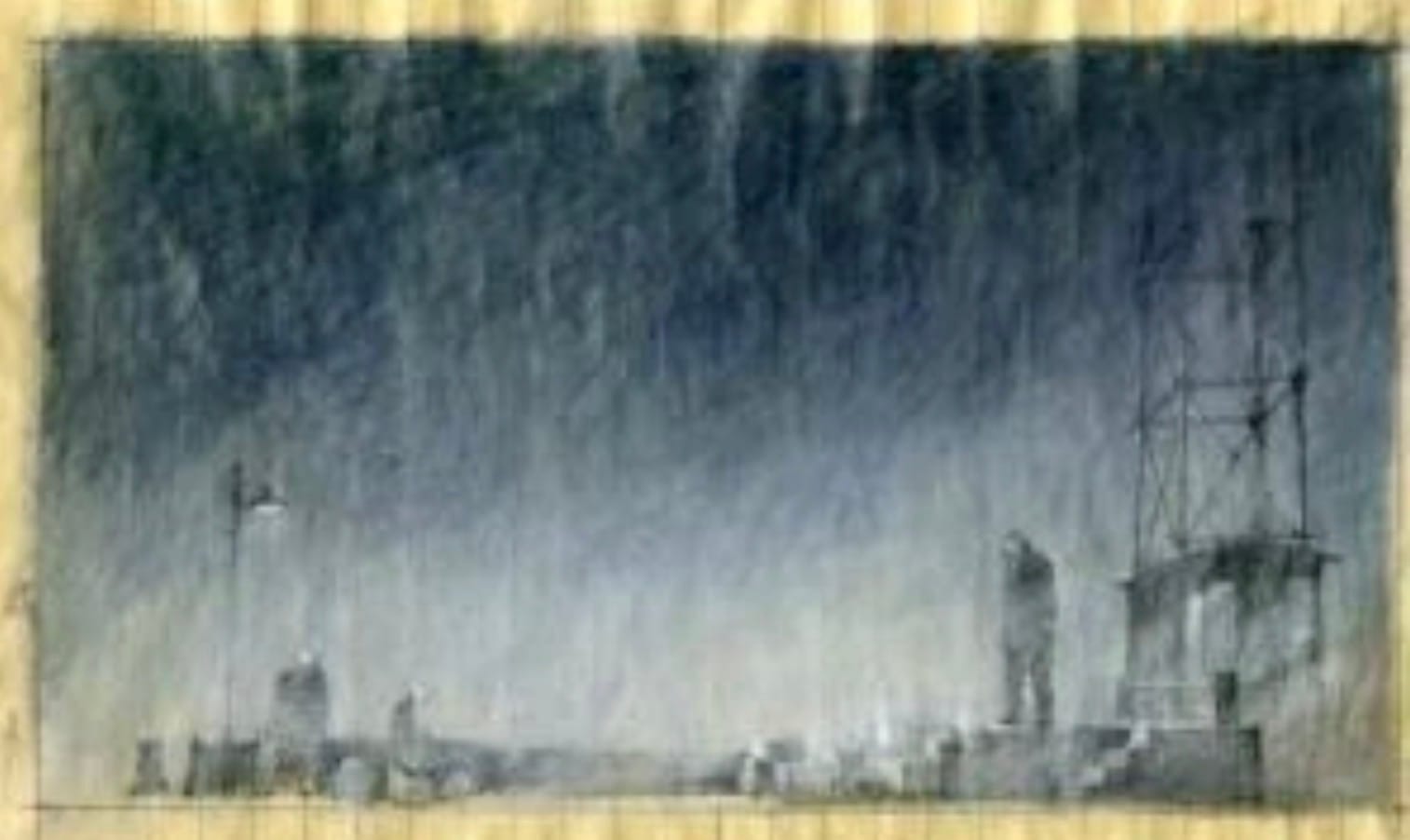
This is a different play, but that is definitely still Willy. This sketch is by Ming Cho Lee, the set designer and Yale design department head who was American theater’s main mentor for 50 years. We call that figure above a ”Ming Man”, but really it was a Willy. Ming drew Willy into every American show. He saw Willy everywhere, and made him the hero of every show.
He never has a face. Just a form. Shoulders broad and sloped, an absent neck and a wide stance. I think that an actor can embody that body in any body. You just have to take a deep breath and take in all of the decades of America until you get that American-Atlas posture. Weight of world on shoulders…or rather hanging from shoulders; walk as Willy. And, theater-magically you end up looking like that.
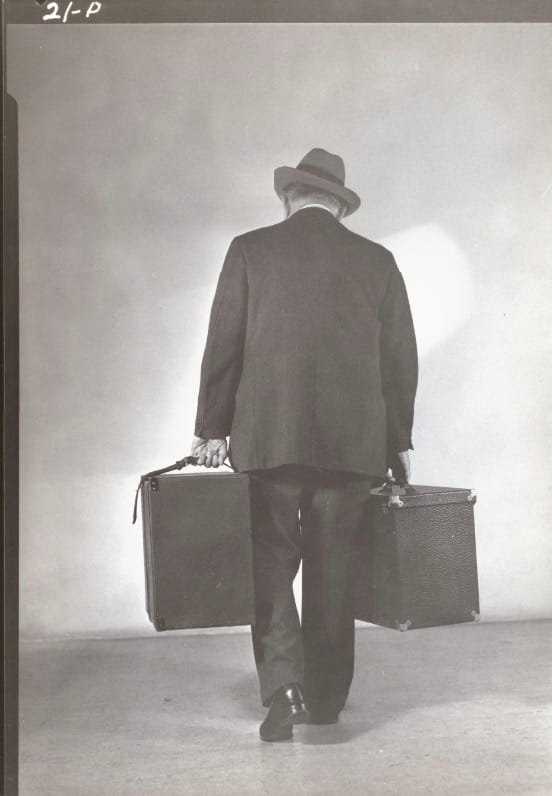
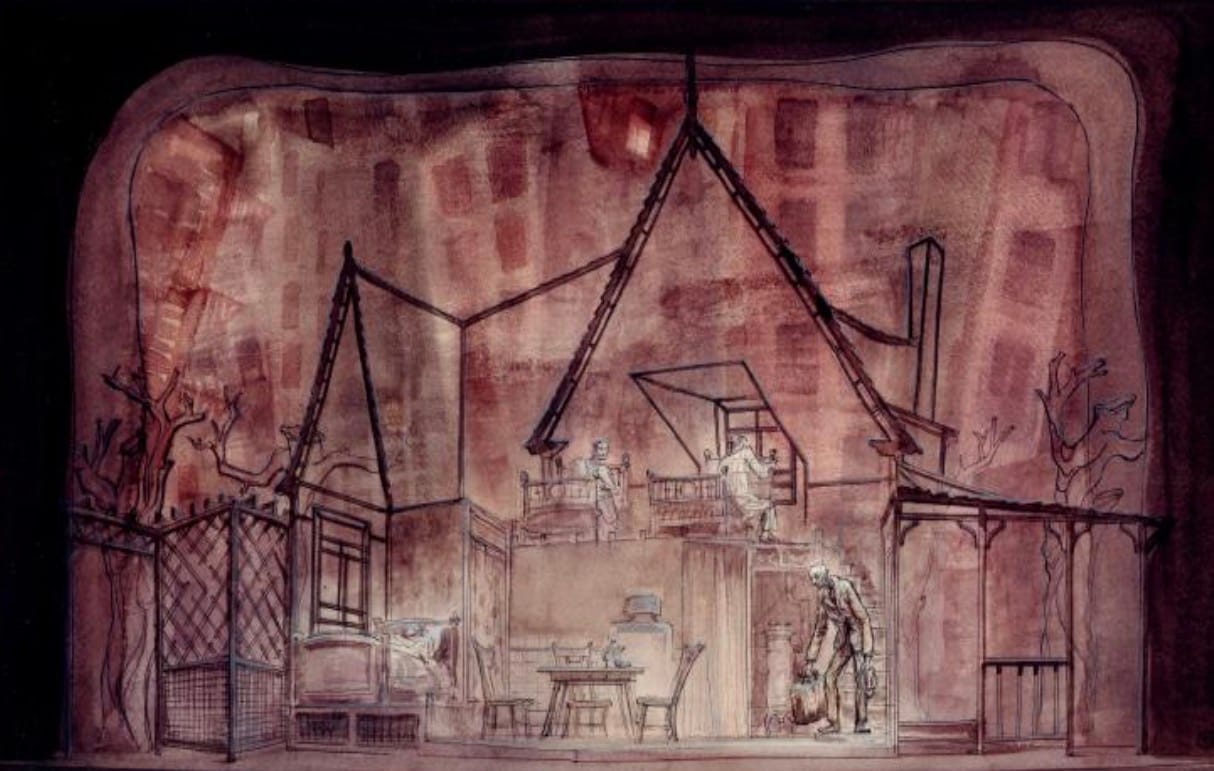
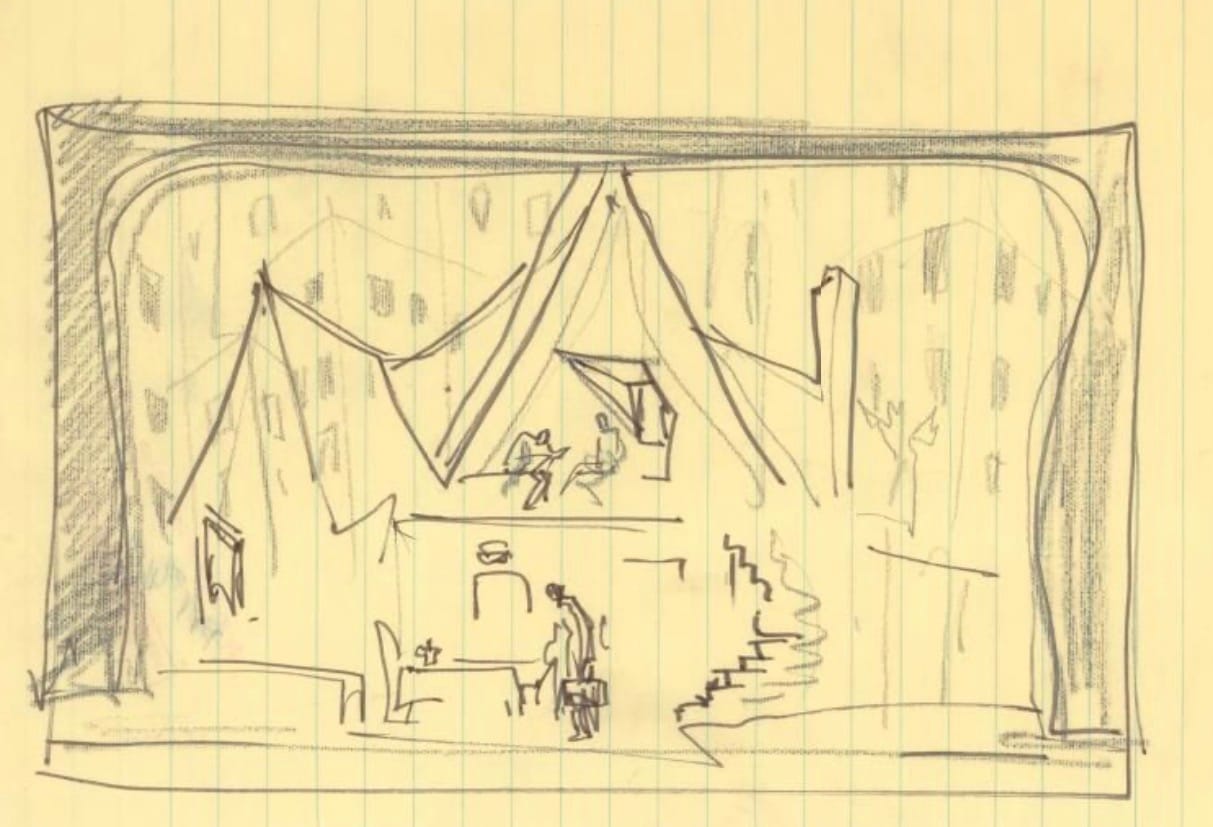
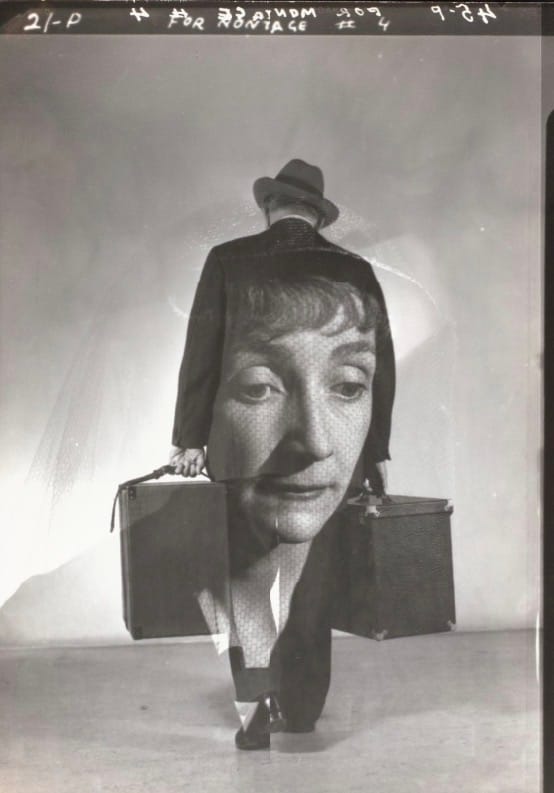
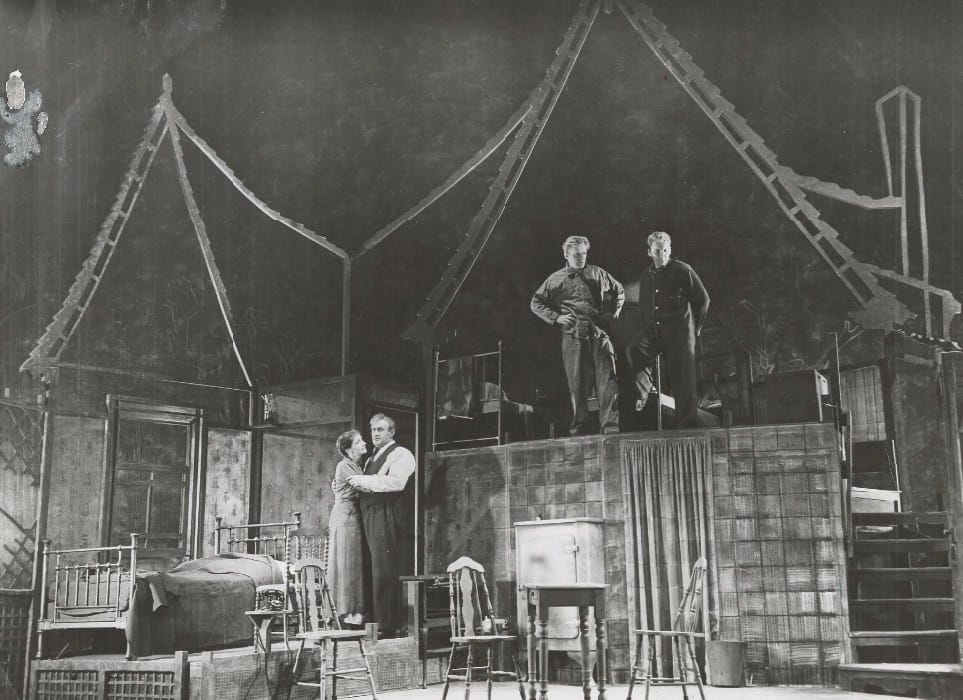
The original production. Note the yellow legal pad paper the original sketch is on…Ming clearly took that medium and kept it going for another fifty years. That beautiful blurry sketch above is on some fast-degrading legal pad paper, too.
Okay, so the original set sketches from Jo Mielziner had a hunched but skinny Willy. The original actor creates the shape that Ming made the American anti-hero shape for the whole half-century Ming ran things.
The shape of a human is casting, not character…but, really, how often do we have at least a Ming-man in our heads when we consider who should play that part. Thankfully, in school and community theaters, the talent pool is finite. Maybe a veteran of your stage asks to play Willy Loman; or, maybe you have open casting and so many various people send in videos and walk through your door, that you go through a Willy-widening bootcamp before you even narrow it down.
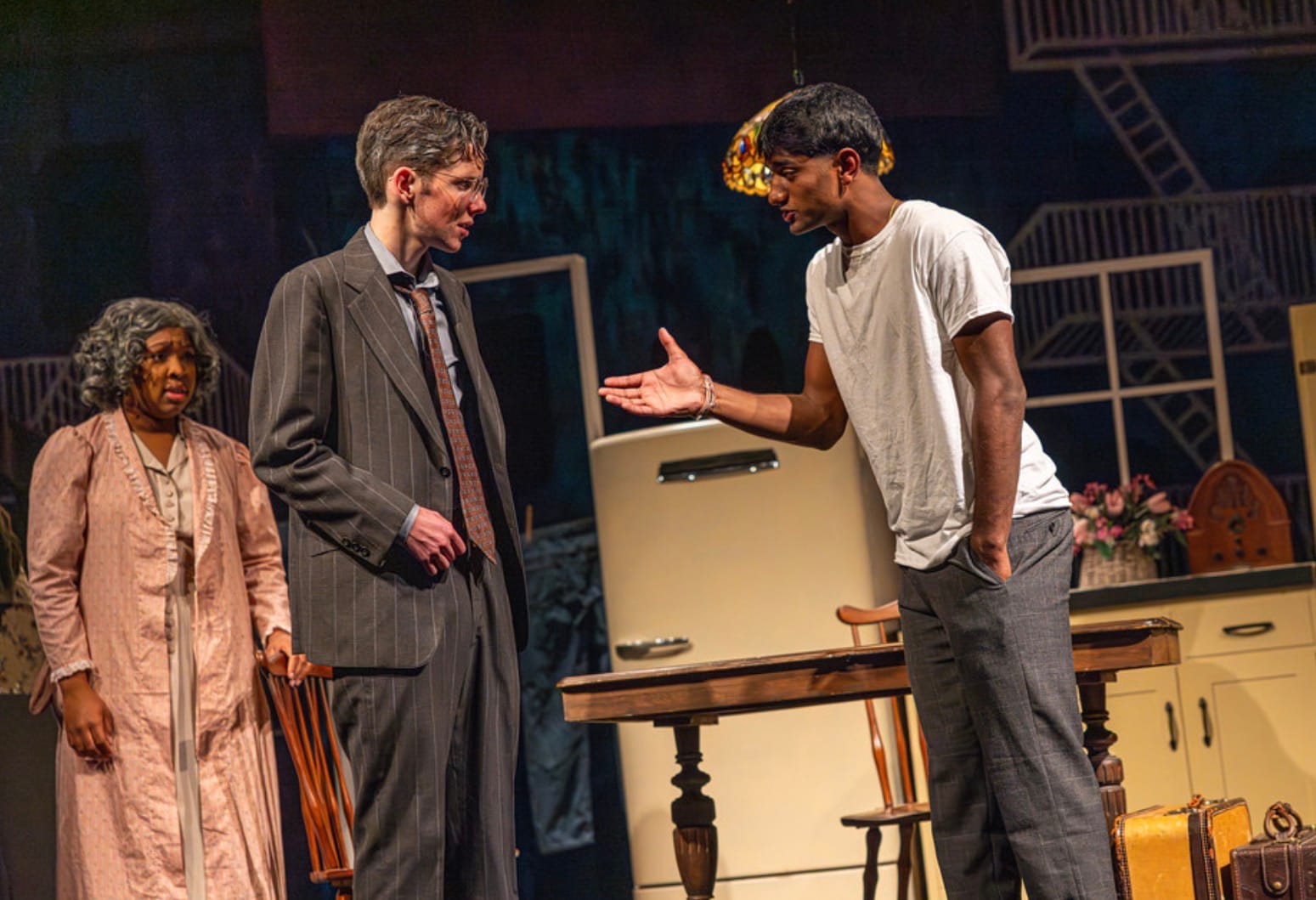
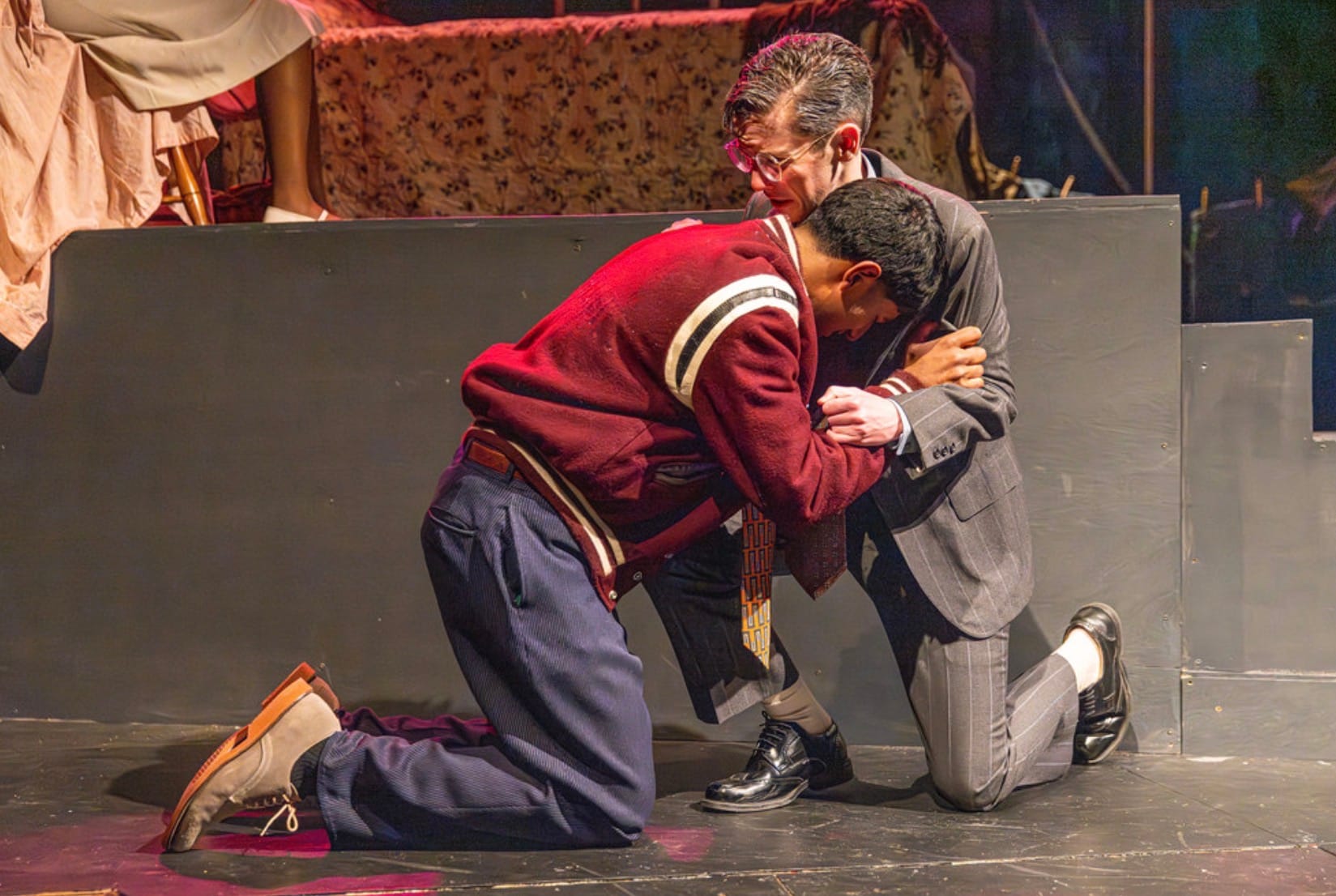
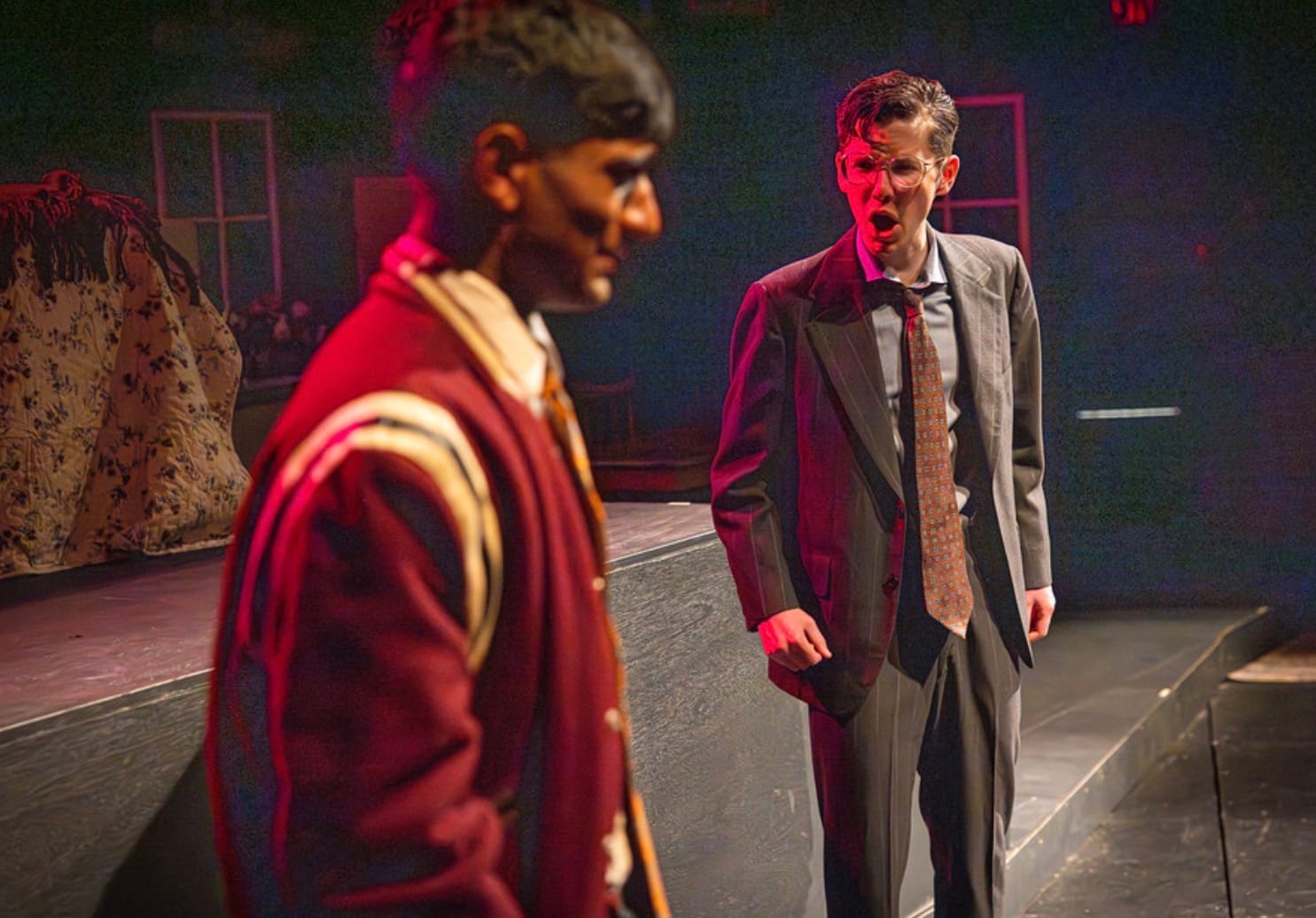
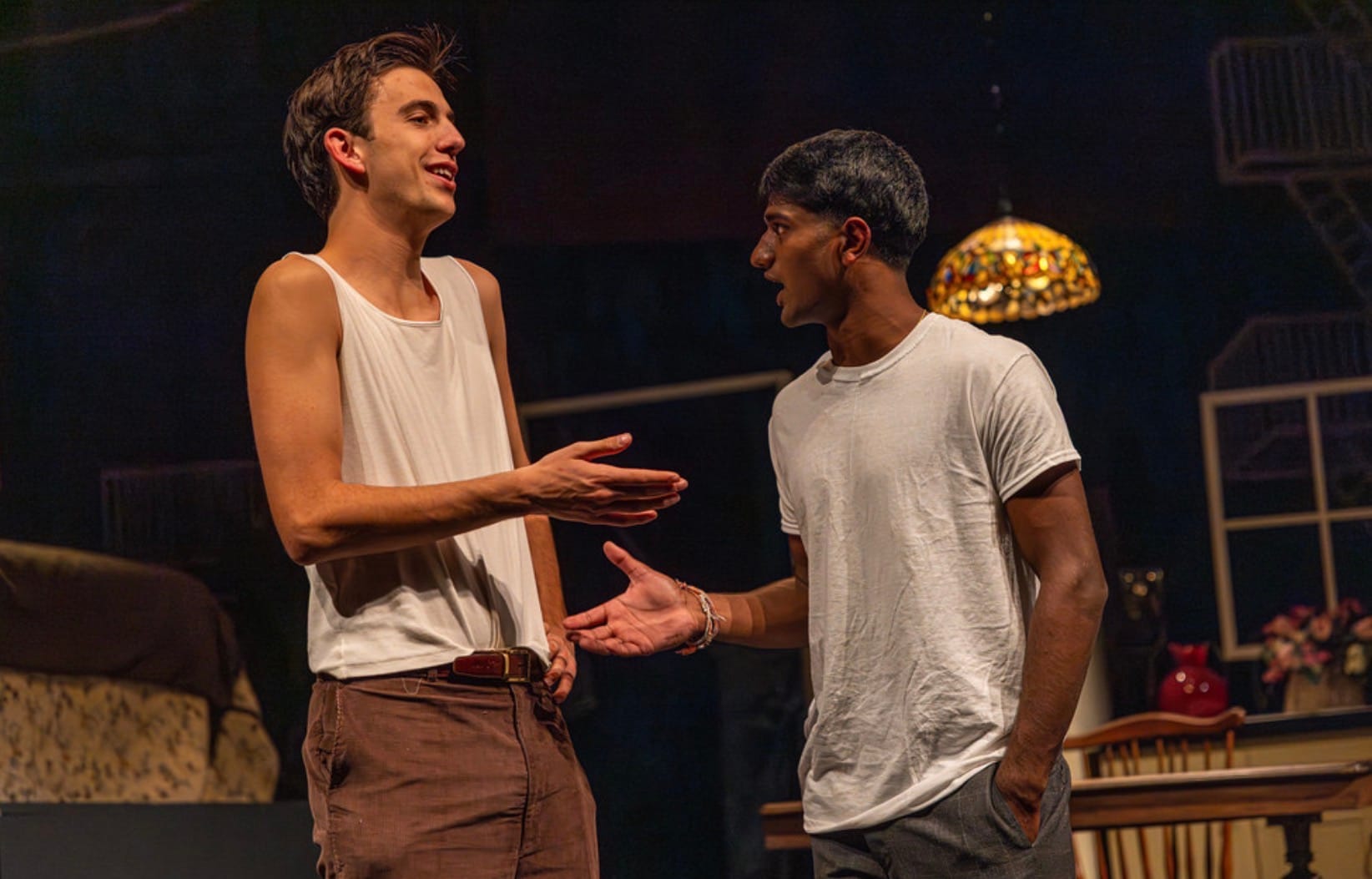
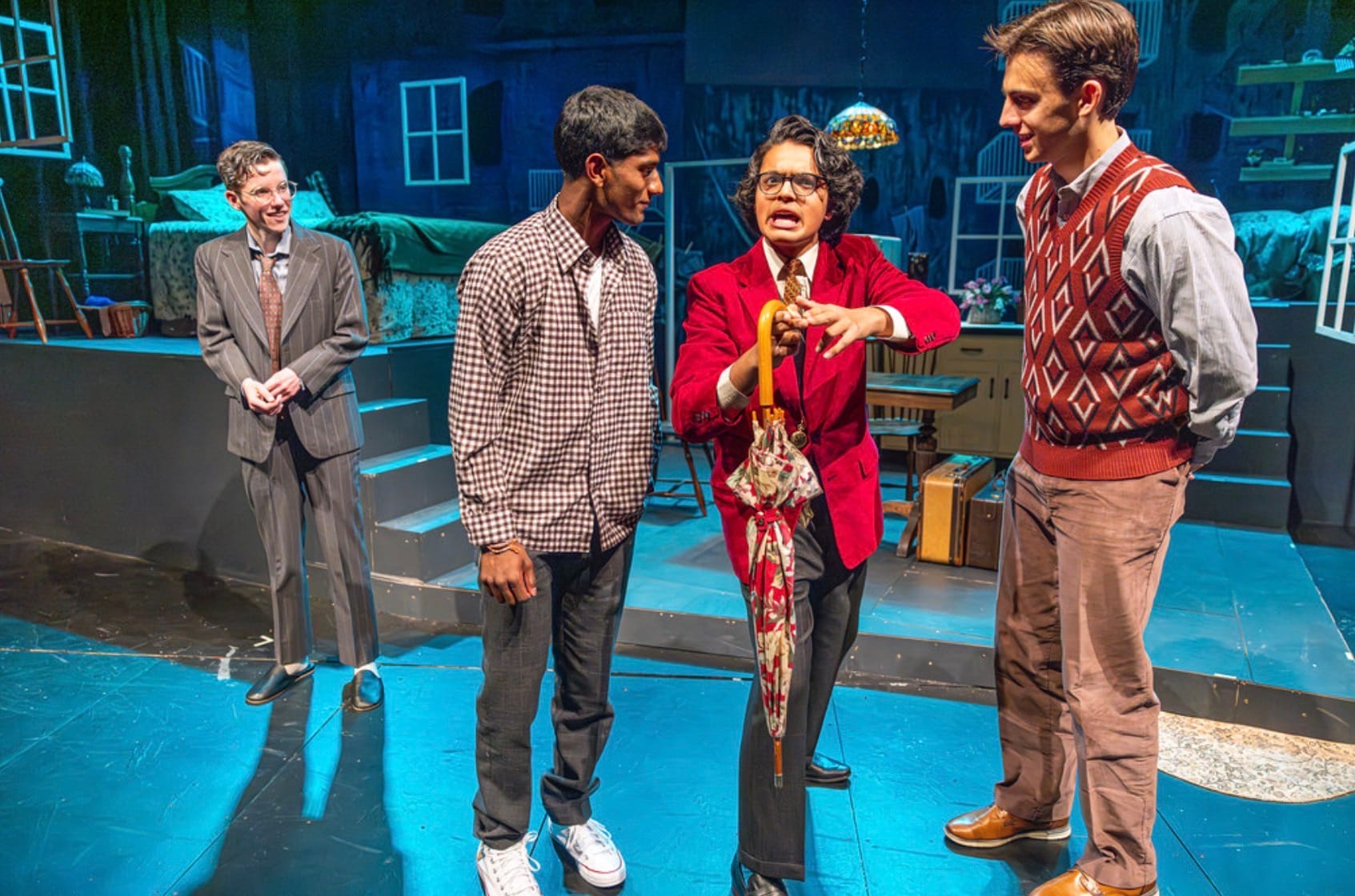
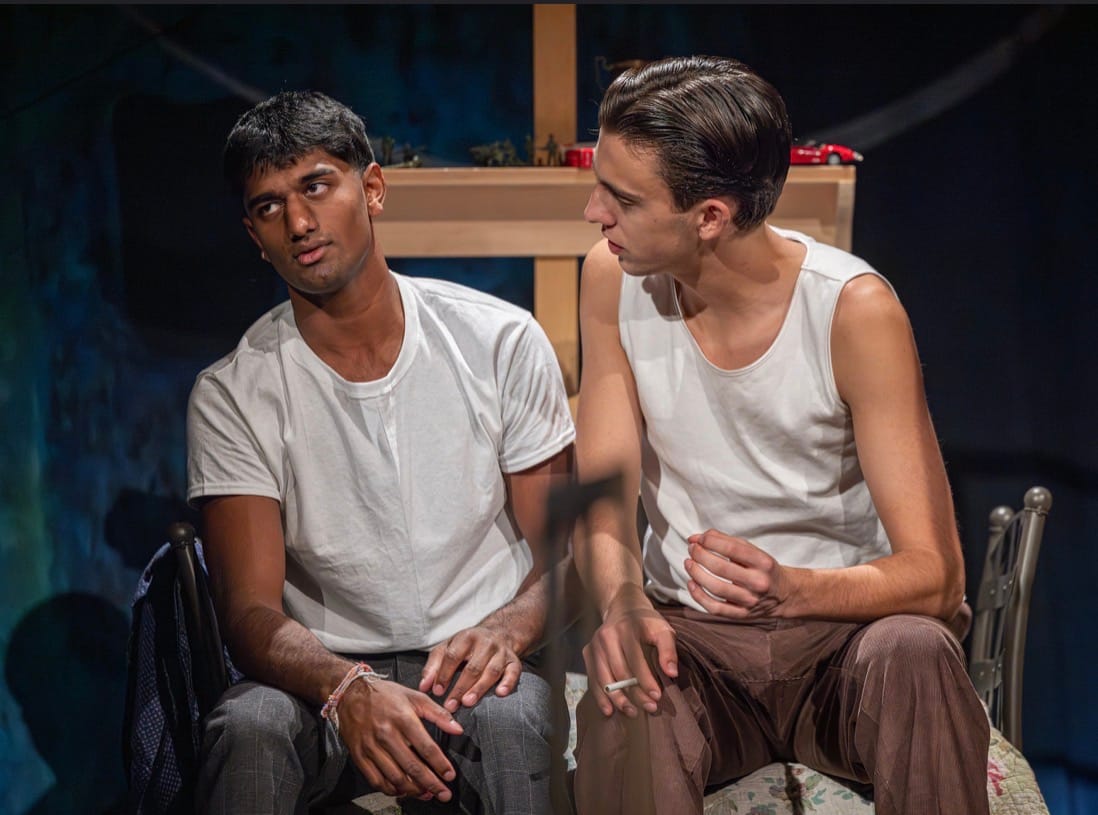
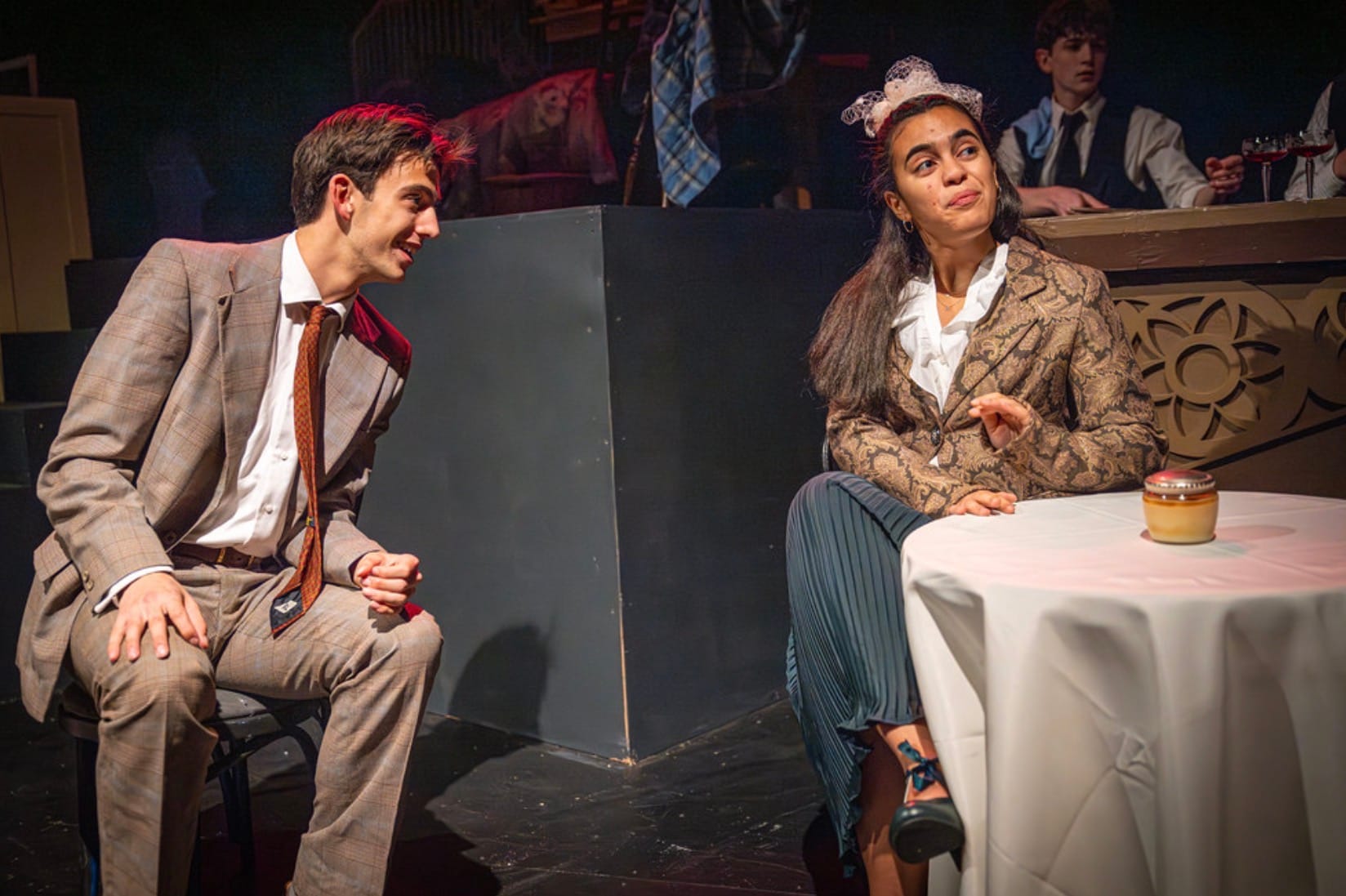
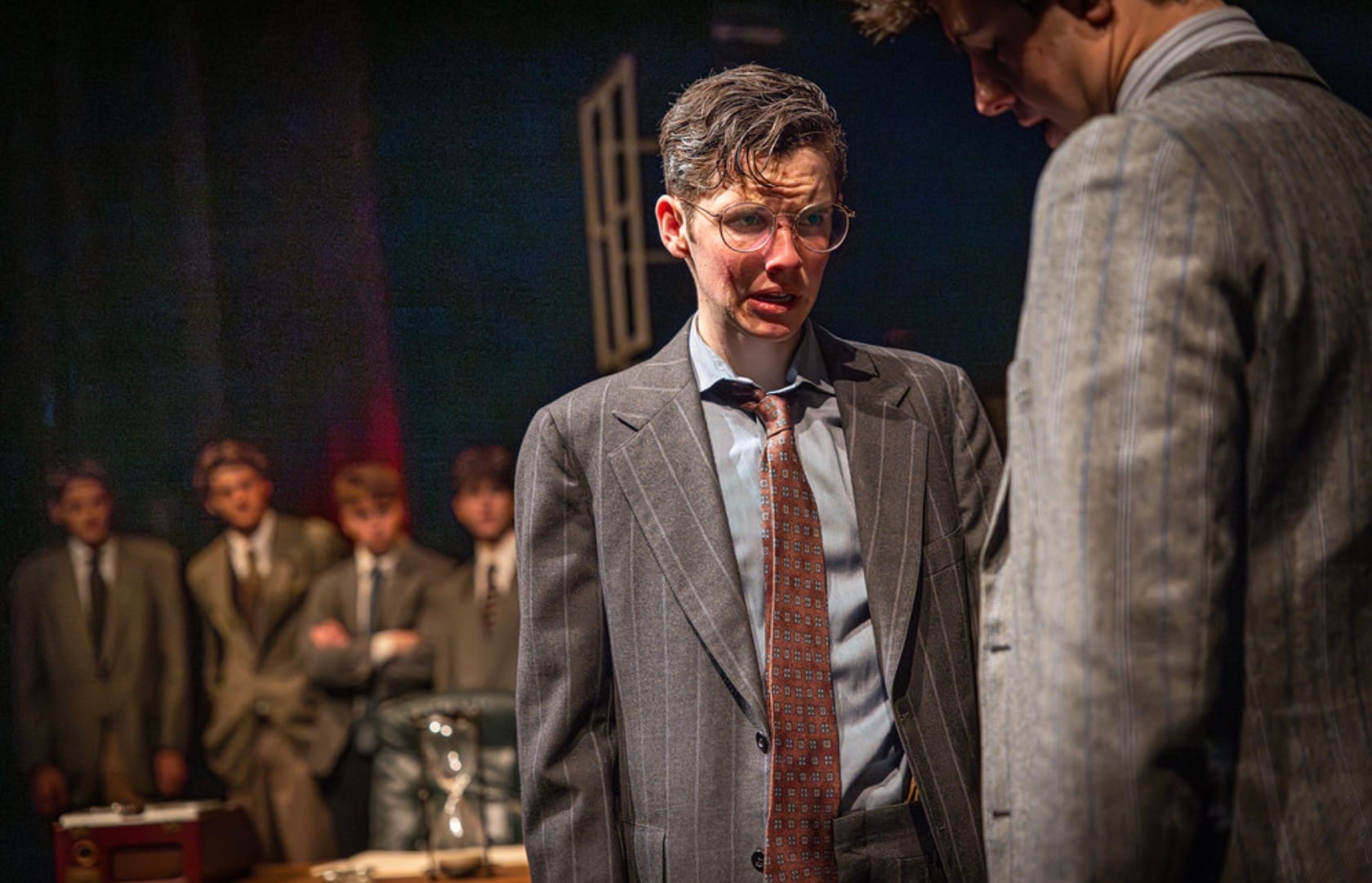
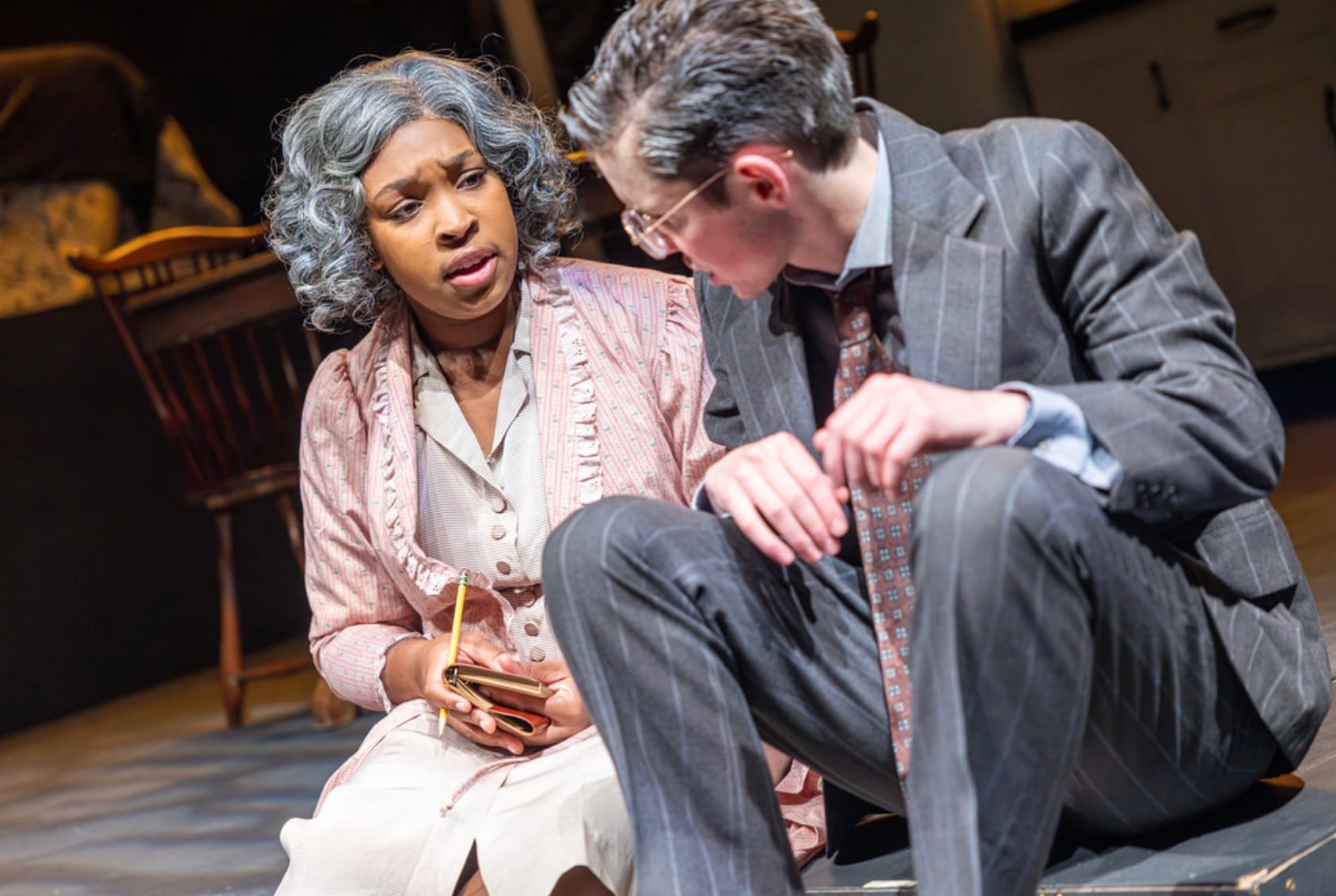
This is Roxbury Latin’s December production. It’s an all-boys private school in Boston. In the flashbacks, the sons are supposed to be the same age as these actors. Usually, you hire 20-something’s to play the sons, and then they stretch in the other direction. I like this version better. This Willy looks like the Willy of the original set sketches. It is nice to see Willy in a body that reminds us that he had hopes when he was young.
Professional theater folks will often admit jealousy of community and school theater audiences. They are a lively, more engaged bunch than the typical professional theater crowd. I pondered this for about five years, attributing the energy in the audience to the fact that they know the folks onstage and are walking in with a want and a powerful will to make that performance a great one.
If you are new here, welcome. Nice to meet you. I am a jerk.
Community and school theater audiences are excited because those performances are great. Don’t let jerks like me tell you otherwise. These shows derive some of this greatness from a feature of their form: a personal history with the performers. That’s not cheating, the artform was made like that on purpose. In professional theater we just handicap ourselves by hiring
Yesterday I had the audacity to suggest that someone out there might want to watch all 1,500+ minutes of the 90’s sitcom Roc to extract some fatherly affection from Roc Dutton. All of this so someone might understand the impact of Dutton’s 2009 rendition of Willy Loman. Better said: understand the impact of Dutton’s Willy Loman on Me.
Even in 2009 the New York Times critic that reviewed the show hadn’t watched Roc…the DVD box set was available then…maybe I should have offered it to him.
(Mr. Brantley, if you want to rethink that performance with the same context as the majority of the New Haven native audience, all of whom watched Roc like I did, please let me send you those 75 episodes. My dad will relocate his stack of newspapers to clear you a spot for your weeklong Roc Dutton super-binge. I look forward to reading your retraction of those lukewarm sentences.)
Ben Brantley had high praise for the recent Broadway run of Salesman with The Wire’s Wendell Pierce in the lead. Mr. Brantley perhaps did watch The Wire? It would have aired live while he was a decade into his career as a theater critic. Maybe, like me, he watched it a few times. The early 2000’s were also early Netflix years. I bet he watched it on HBO and then got the DVD in the mail and watched a whole season at once. Charles Dutton co-created and directed the miniseries The Corner about streetlife in Baltimore, with David Simon, the same writer-producer that would produce The Wire. They are clear about it being a dry run and precursor.
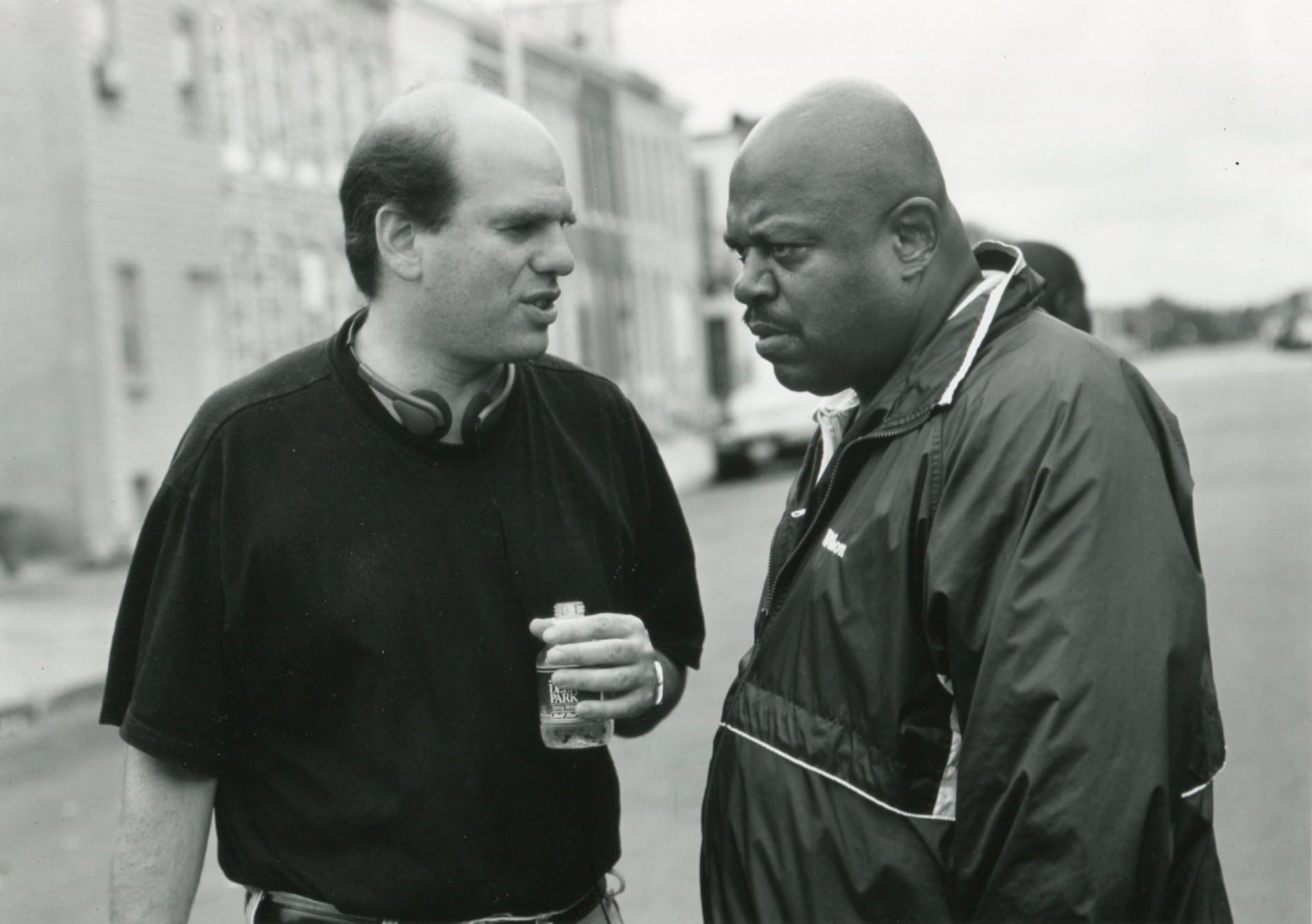
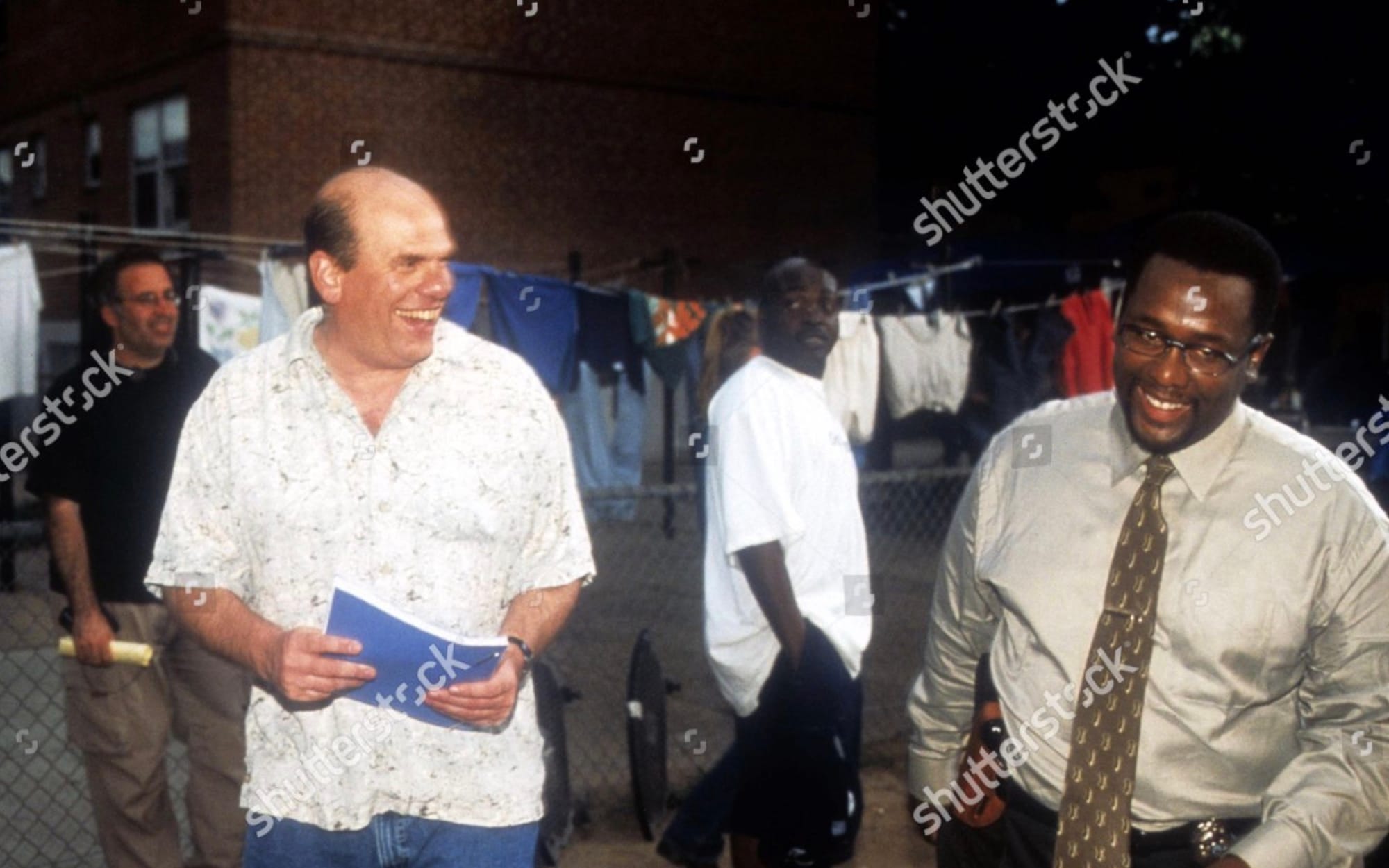
… I guess we like a Baltimorian Willy. … hmmm … has anyone written about the Dutton to Pierce Willy continuum? I don’t see it anywhere. That deserves a whole other essay.
In the meantime, this is what Brantley had to say about the Wendell Pierce rendition of Willy and his stoop!:
Portrayed by a splendid Wendell Pierce “The Wire” on television), Willy lacks the stooped shoulders and slumped back with which he is traditionally associated. (It’s the posture immortalized in the book cover for the original script.)
He says previous productions (read: our Dutton one) ”feel like a plodding walk to the grave” while this one ”is a propulsive — and compulsively watchable — dance of death.”
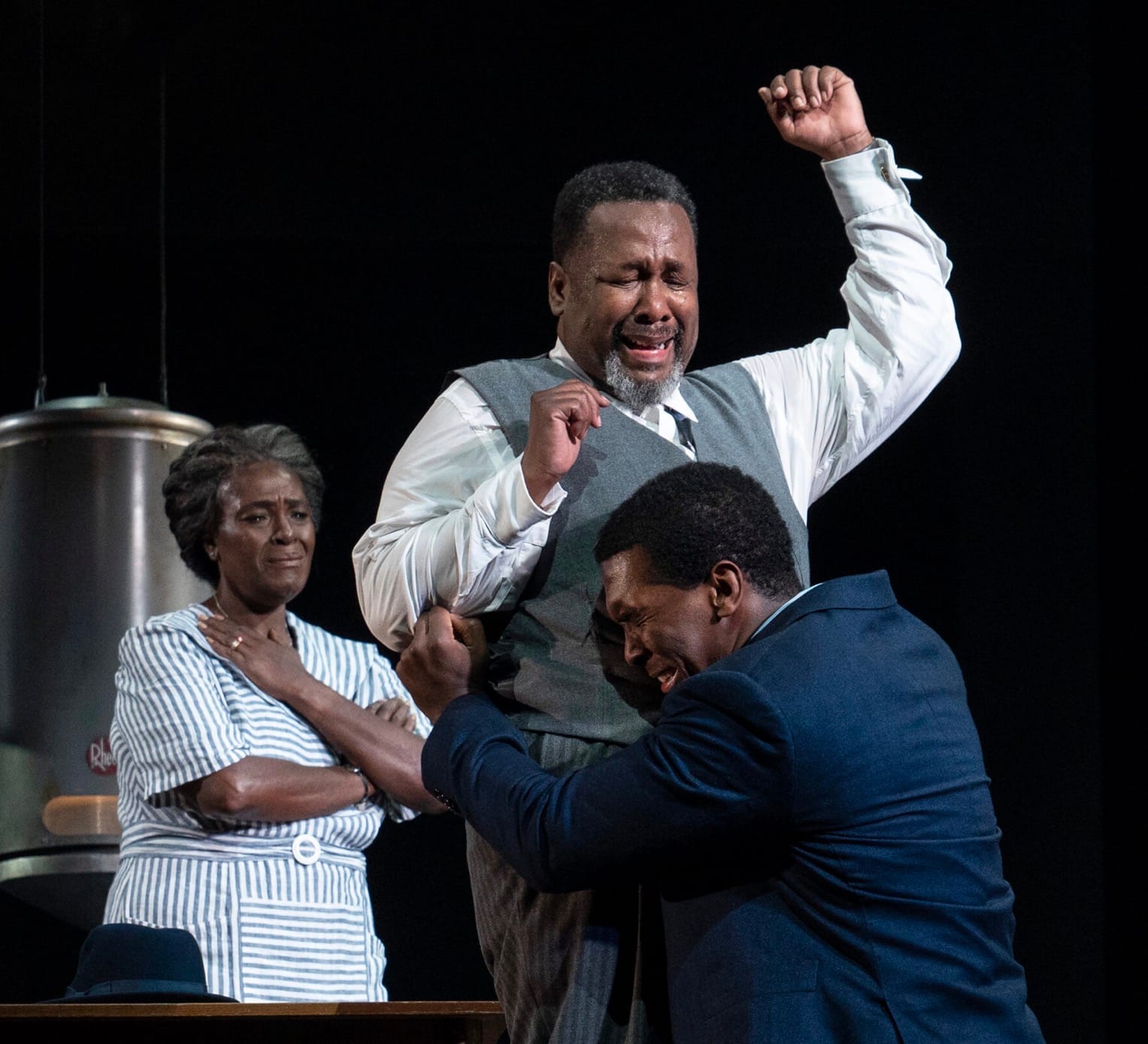
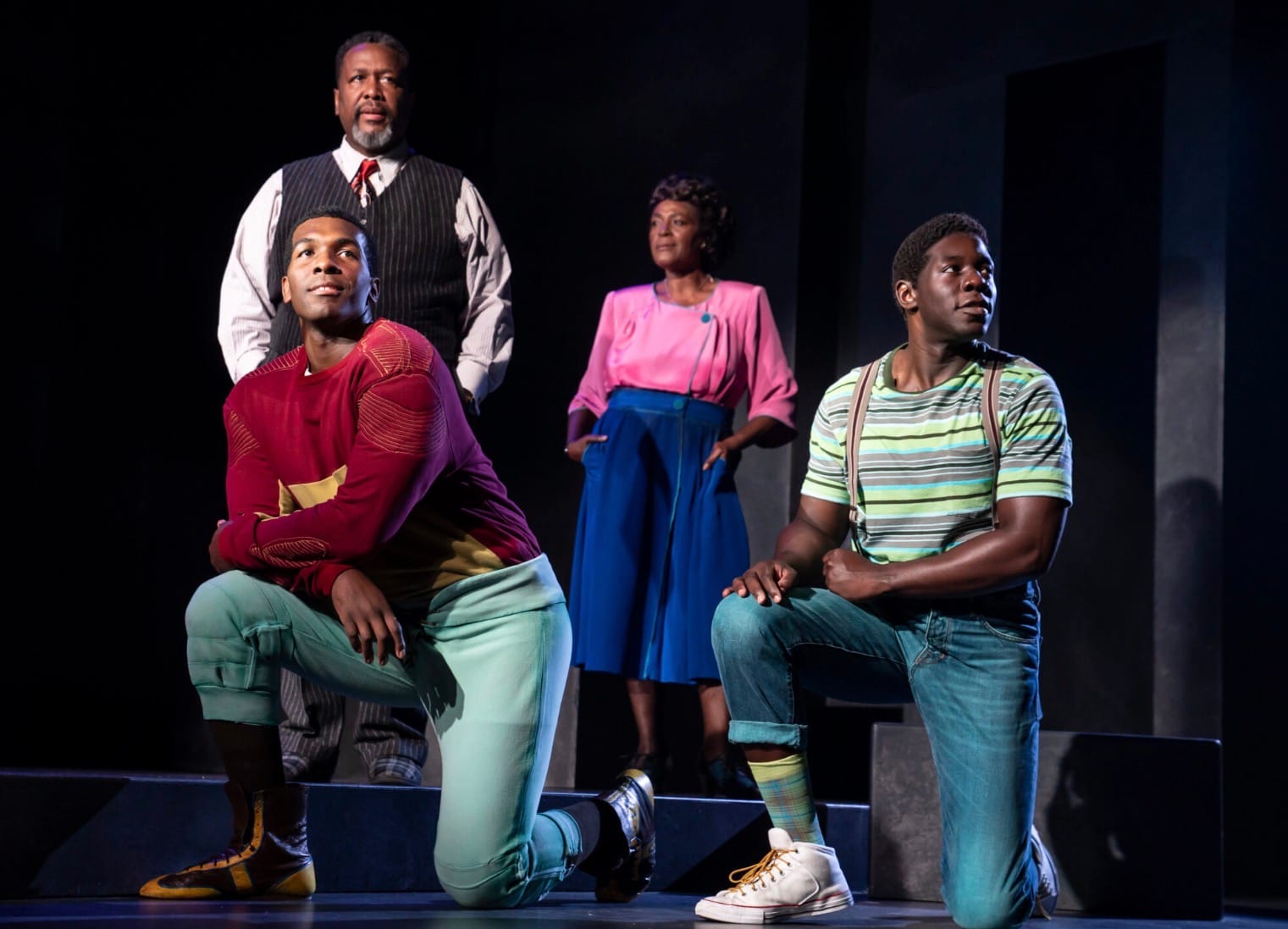
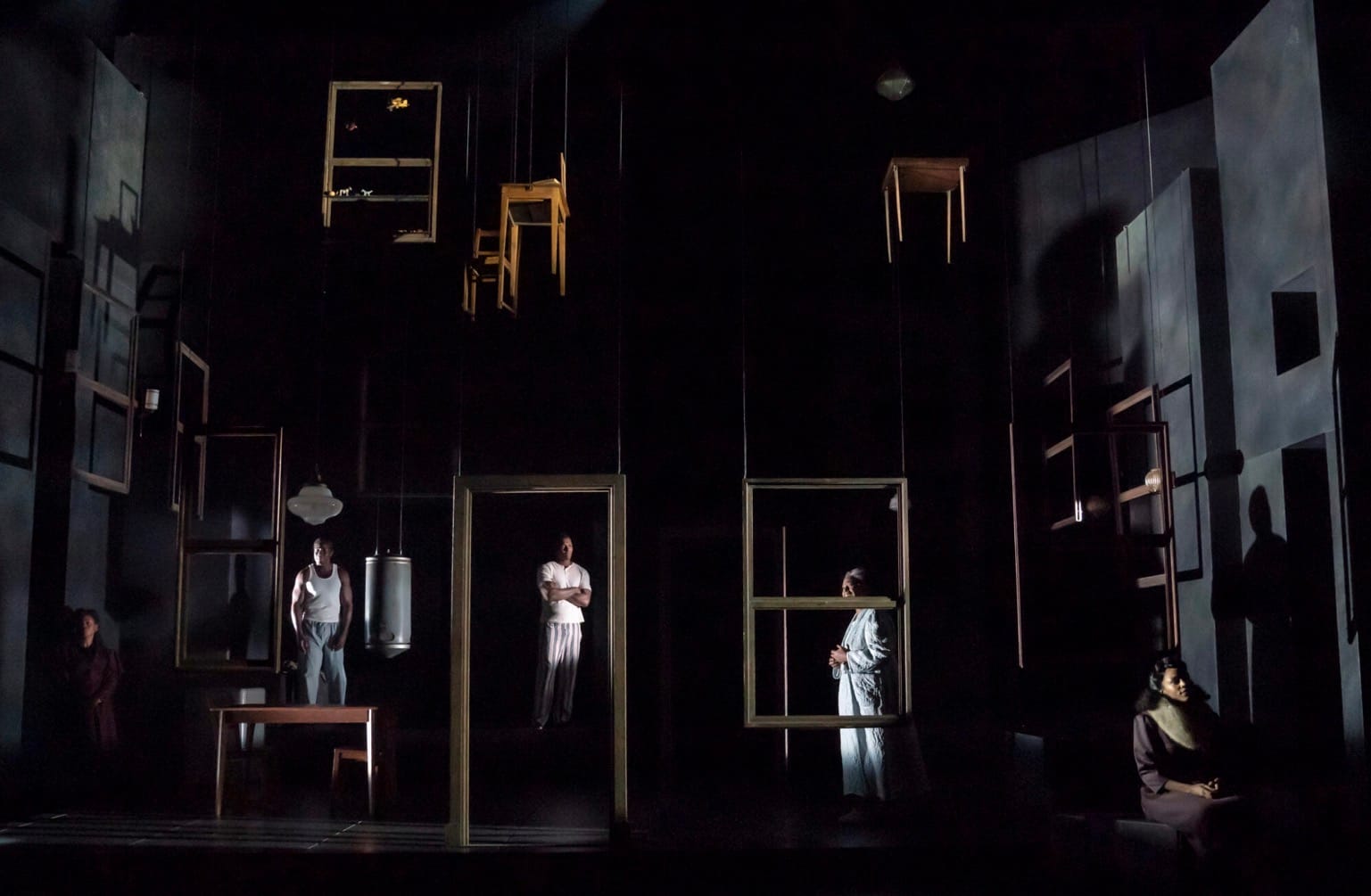
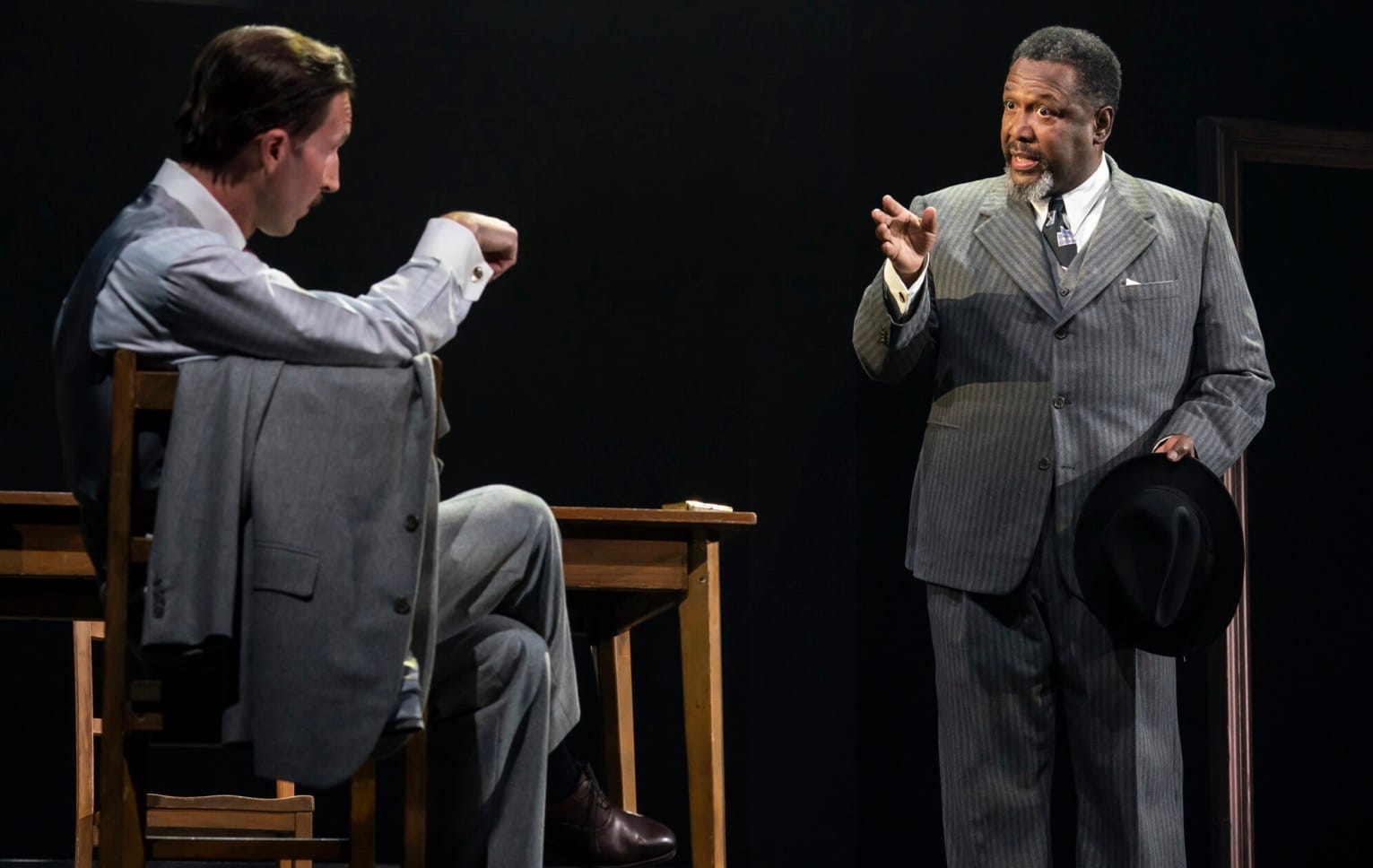
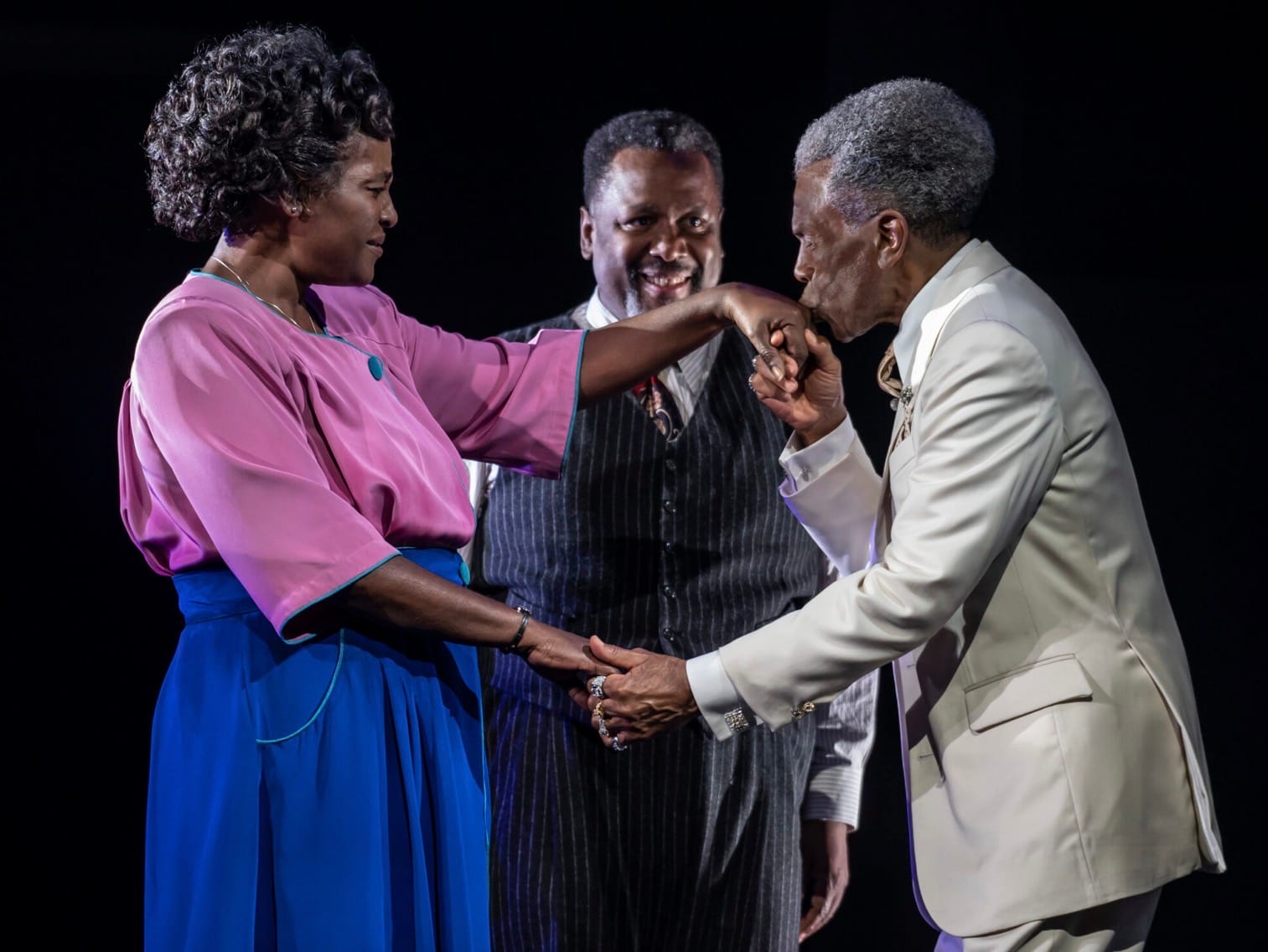
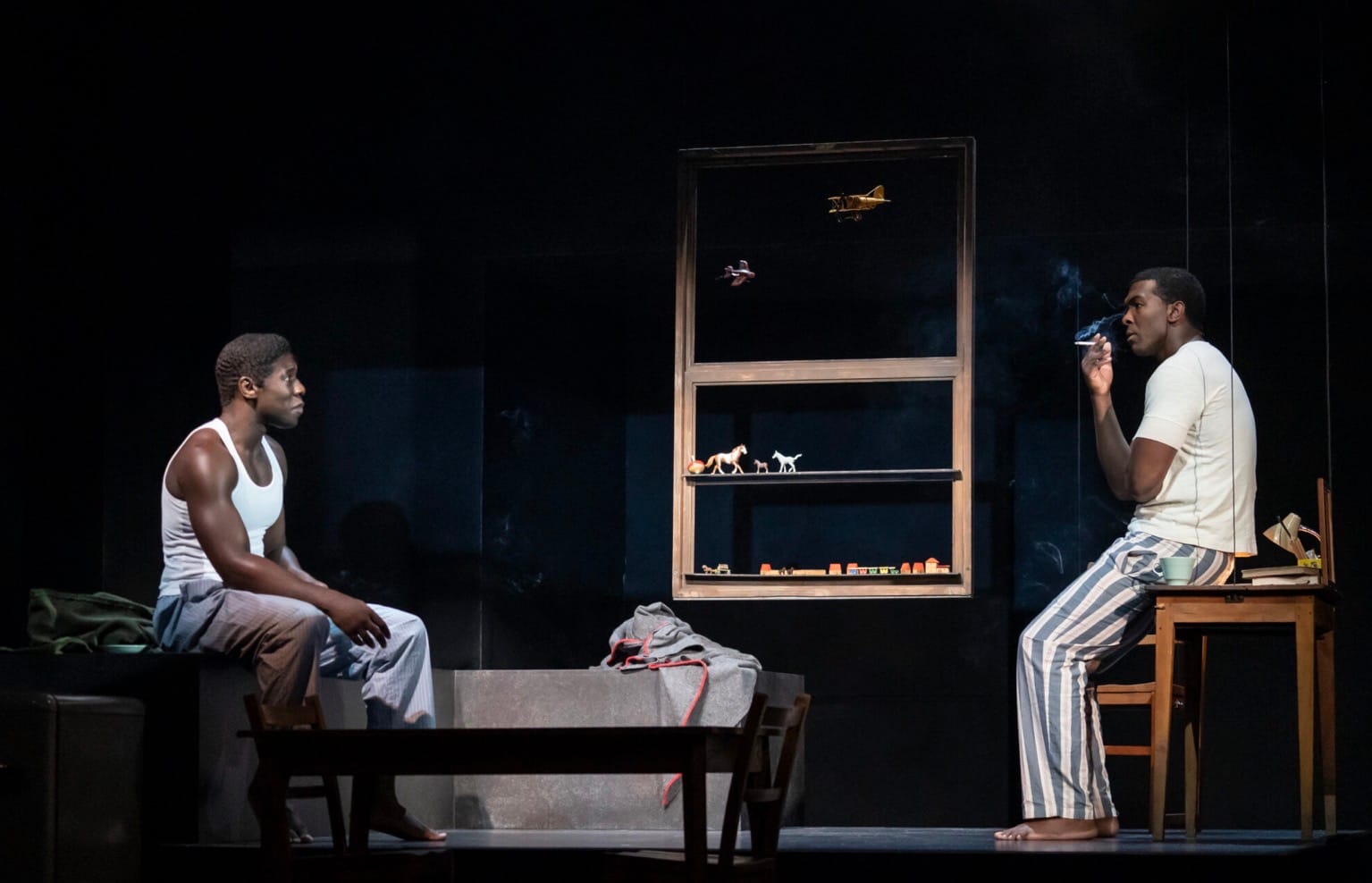
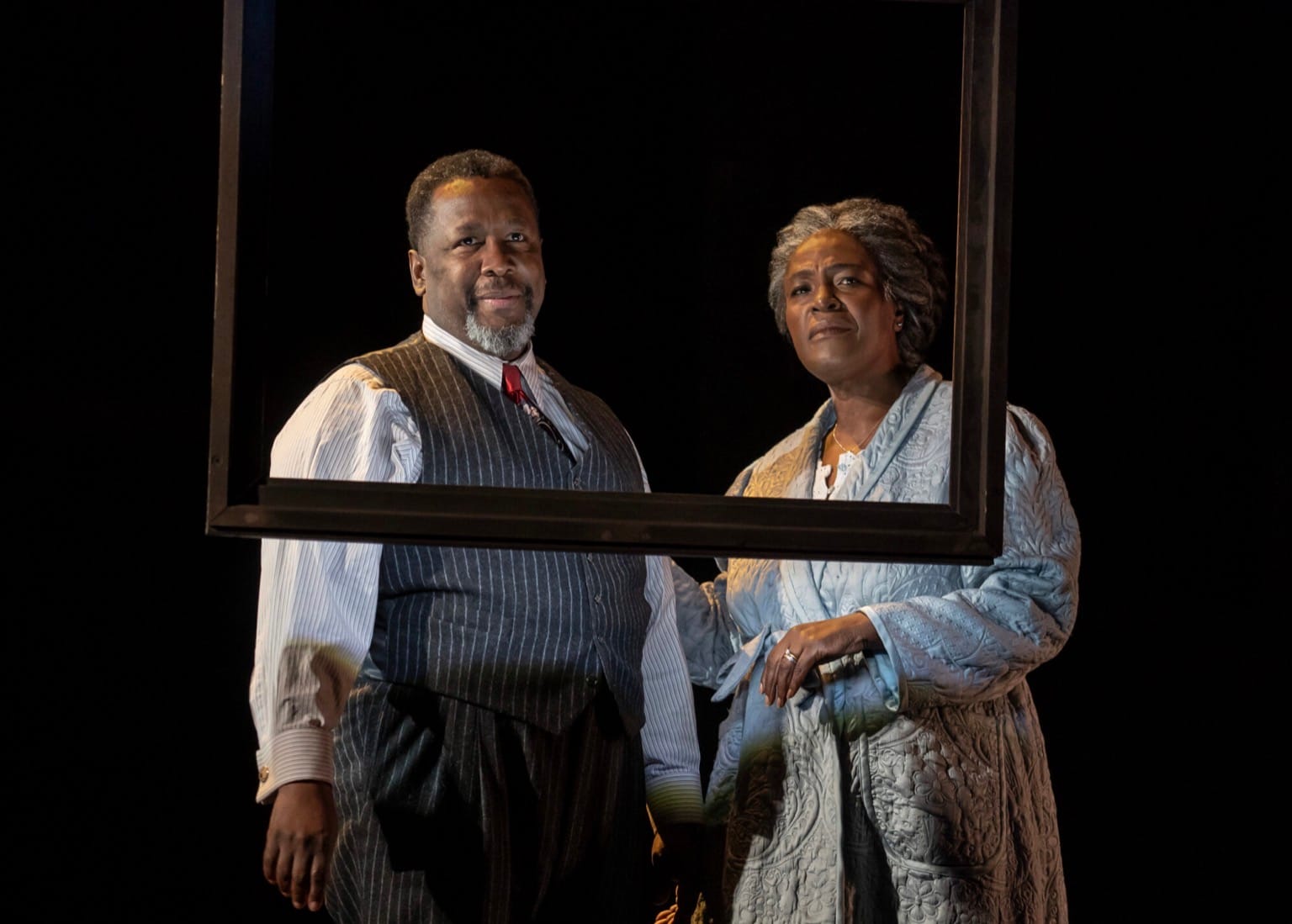
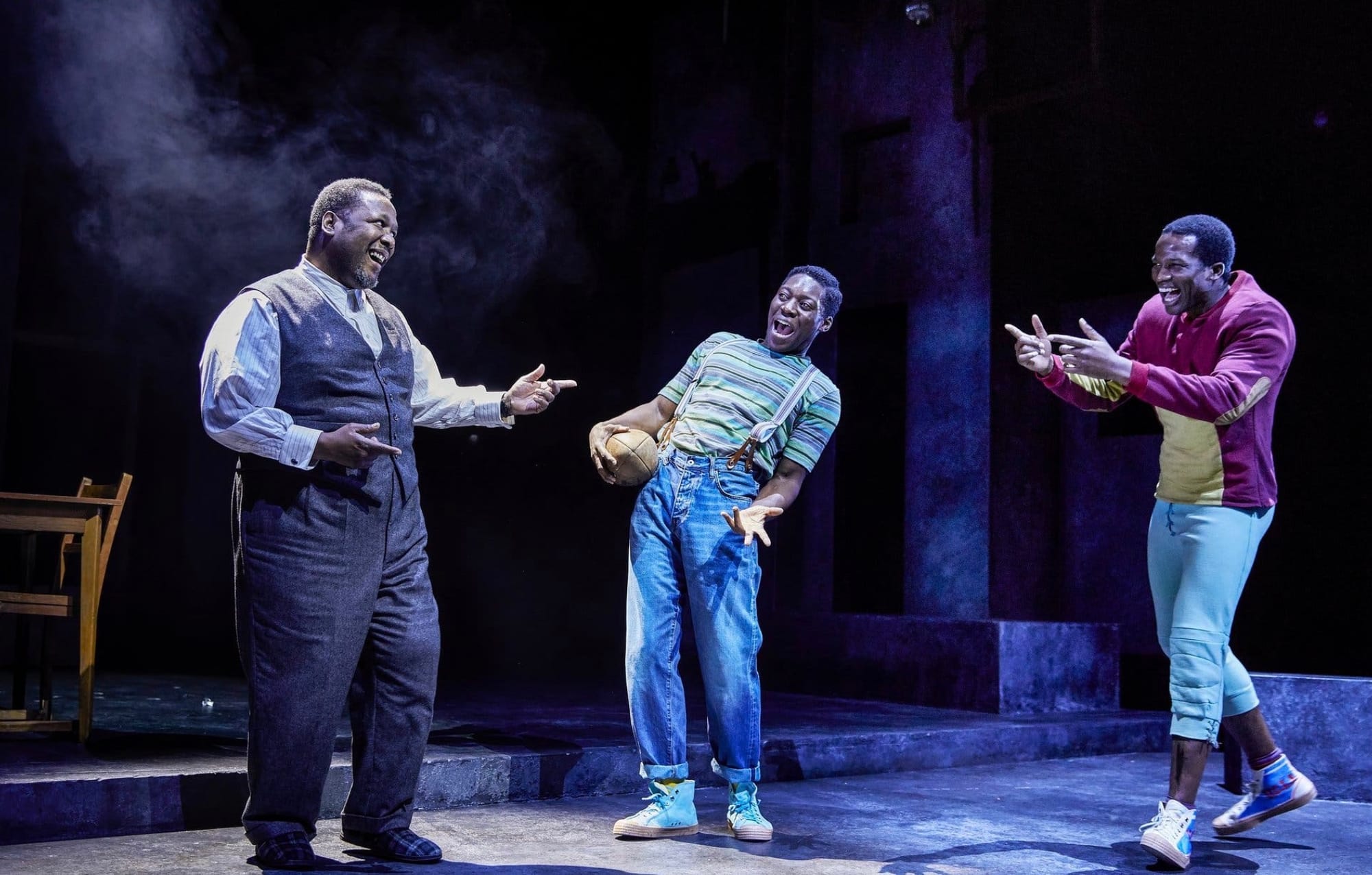
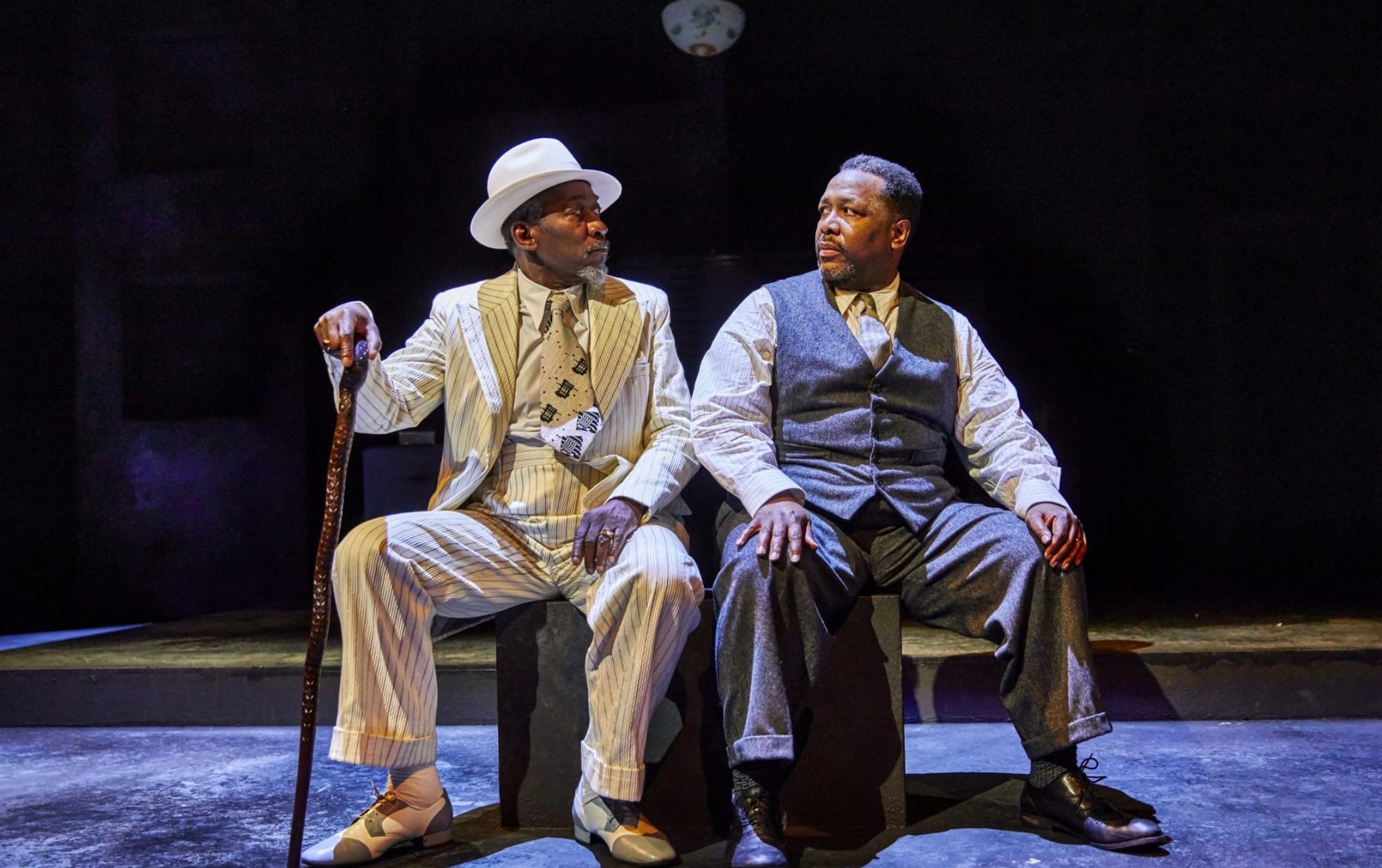
All reviews are valid and valuable…they just need a few more for me’s in them.
”for me”
I am ending with another Ming-ism. “For me”. I heard him say it so many times.… in person and in my head. Why didn’t I make that one of his core lessons?
There is nothing wrong with looking at a special wonderful show and analyzing what went well. But, I should have started with the “for me” qualifier. Why was this so impactful for me? If I begin there, I learn the lesson that theater has been capitalizing on since then — audiences develop family-like bonds with weekly television actors; especially the ones who show up year after year. There is box office draw for these famous names and faces — that is a shallow and counter-to-quality way to cast a show. When you get a great actor like Roc Dutton who has an archetype he has been exploring for decades, though; you get an audience with a history with not only this name and face, but with this man. That’s brilliant.
So, we should keep doing that in theater, ideally with the actors that have made careers out of exploring whatever archetype they are doing in that role. As for all of the rest of us who can’t cast … Anthony Anderson? Kevin James? Ray Romano? B.D. Wong? …. Brian Cranston again? … but can cast an actor whose five former girlfriends, eight aunts and twenty cousins will come to see the show; what is our relationship to this archetype?
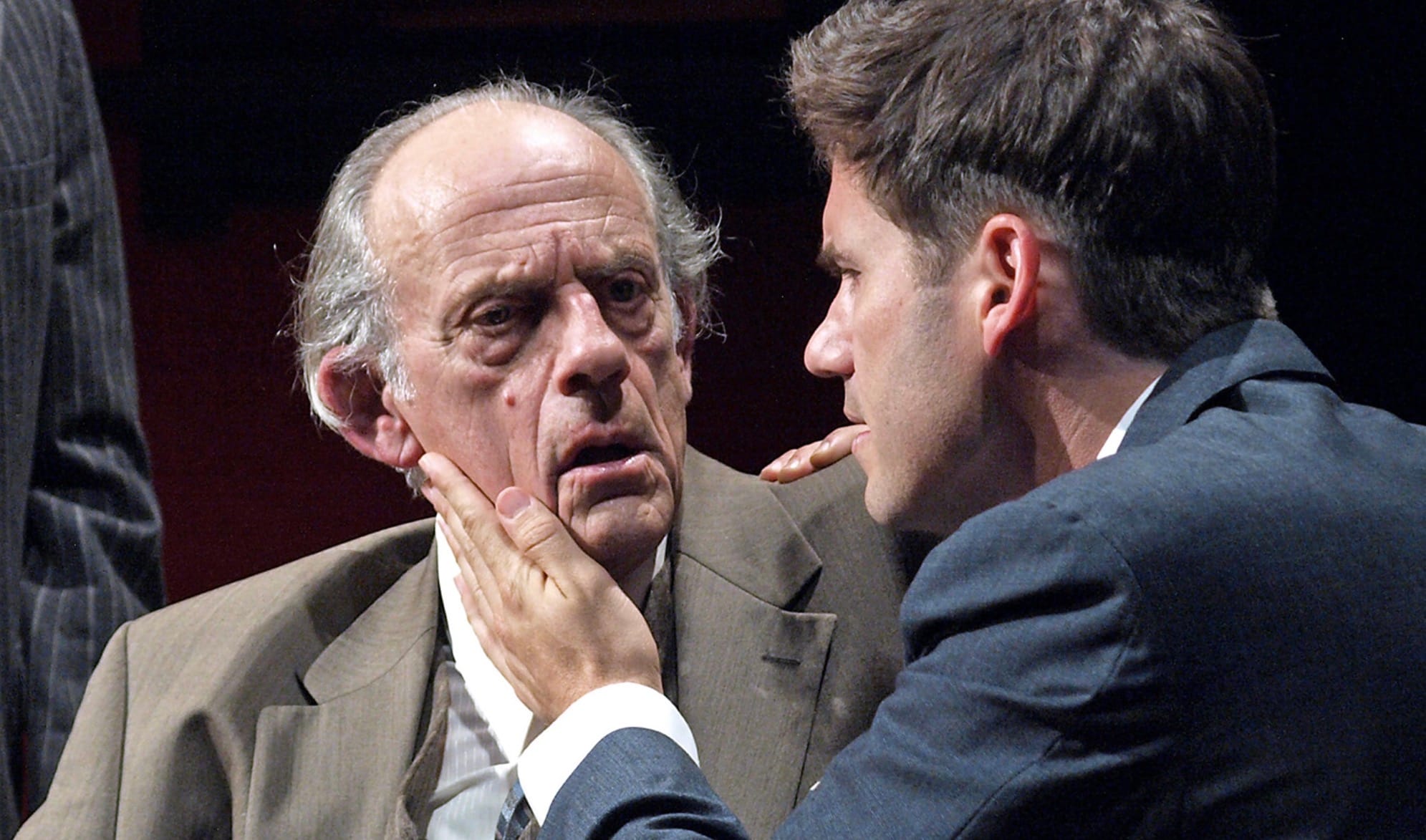
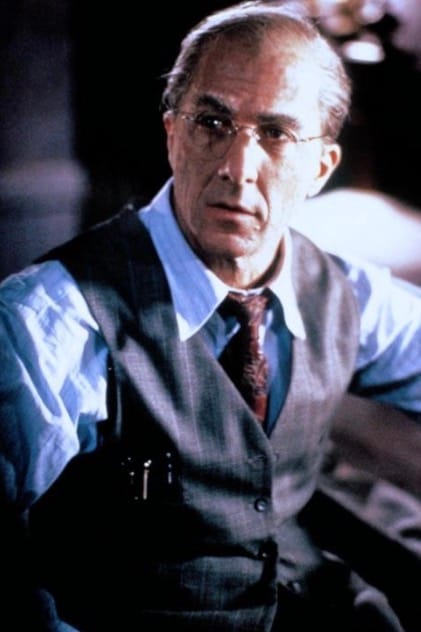
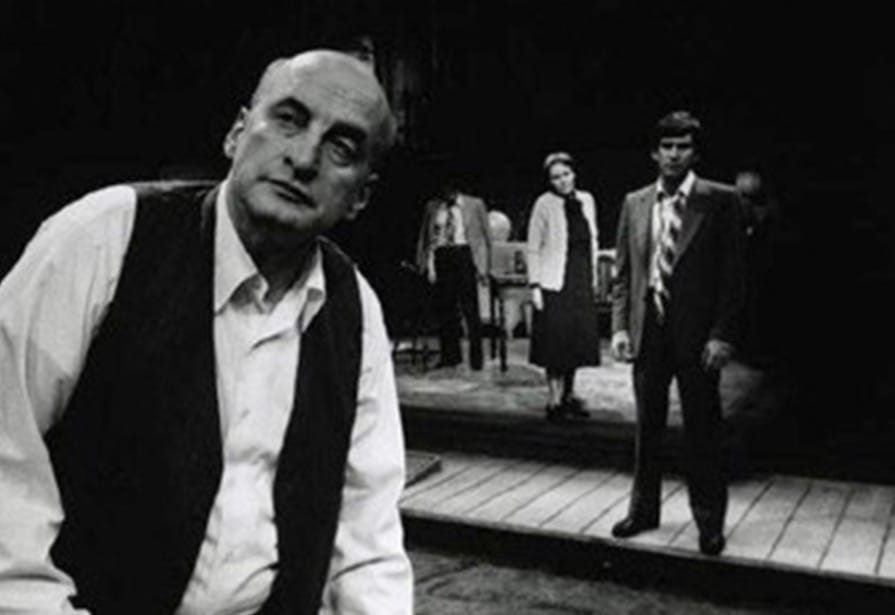
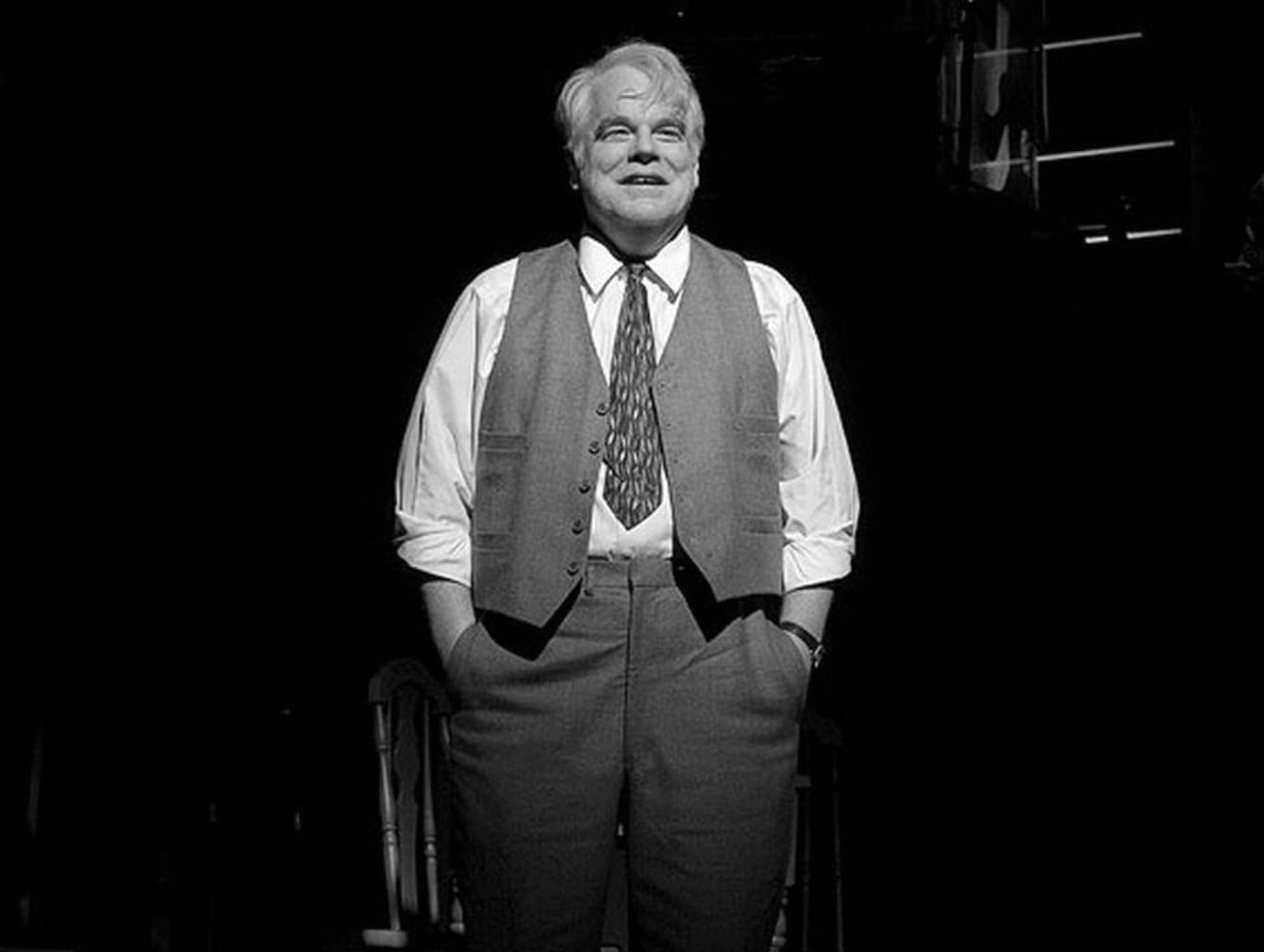
..that’s a pseudo-collegy way of saying…should we look at these former productions and base our Willy on the original? the most famous? the most acclaimed performance? put all of the above into a pot and stir?
Ming thought Lee J. Cobb was a great Willy Loman. But, I definitely remember a “for me” getting mentioned in the same sentence as Brian Denehy.
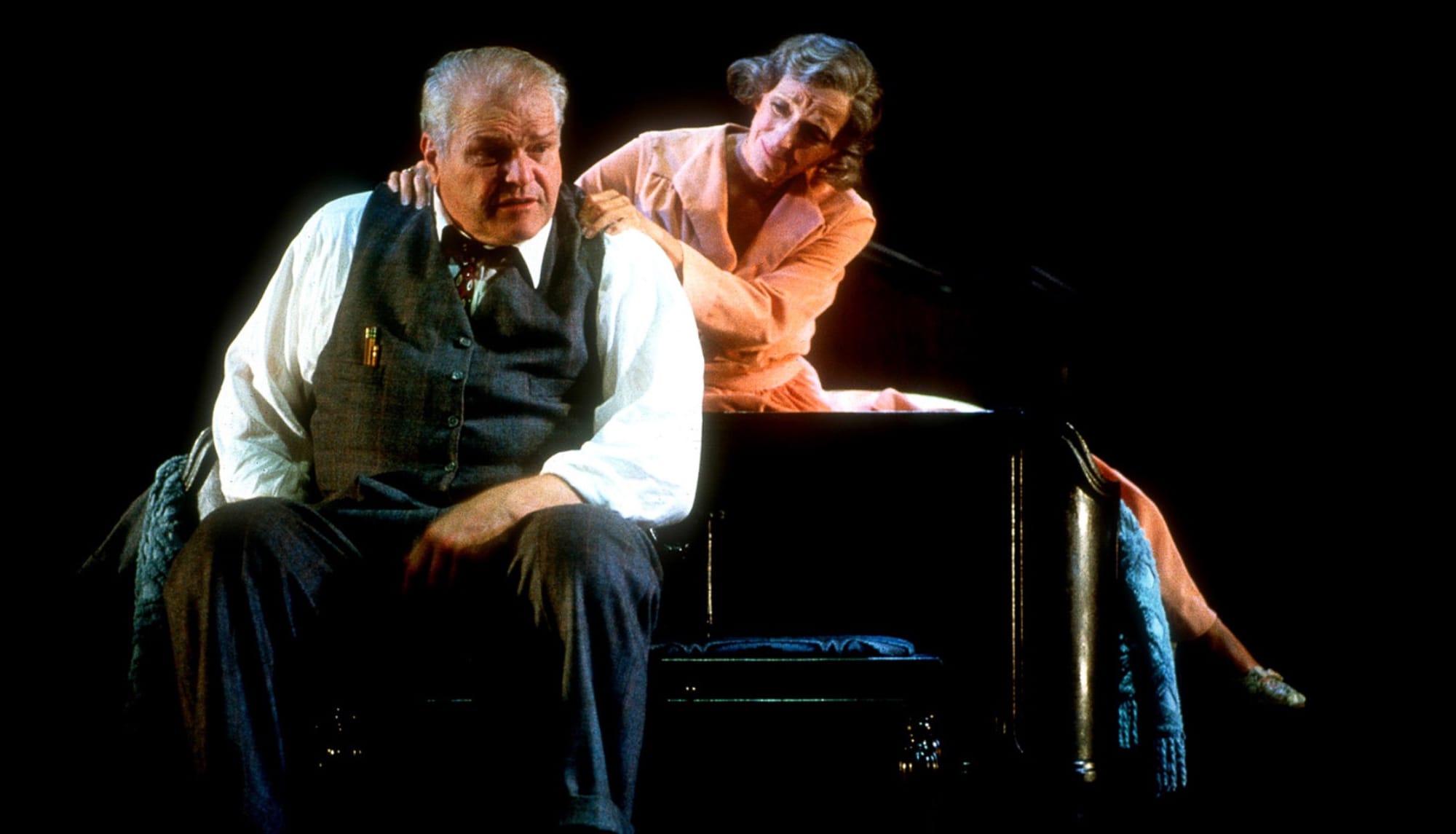
Hmmm…there are no photos of Brian Denehy carrying suitcases. Not in the first 100 image hits. It is definitely his likeness on the cover of the copy of Death of a Salesman I was given at the start of the show. He is on his knees pounding the floor. I think his Salesman was a little off of the archetype. He filled out the Ming-man but didn’t walk into my hero image of the man with the suitcases. Ha! The Boston Globe called his the fire-y Irish version of what is obviously an Irish play. Oh hilarious. Hmmmm…
Okay. Ending with a puzzle! One of the architects of the archetype likes the atypical archetypical actor best. The conundrum of casting famous characters with famous people, and/or famous-to-you people is reconciling your memories of that person with the archetype that they must walk into.
We can watch many of these famous Death of a Salesman productions on YouTube, or get them from the library.…should we watch them, though? I don’t tend to watch previous performances. If you can’t tell, I am working toward a bigger thesis with this play — what is the good research to look at before you start working on a show? The unwritten code of ethics in professional theater is that you should go in without looking at previous productions. That seems like a moral code that values copyright or artistic ownership … but, we don’t actually value that in theater … we’re more share and share alike ... I think not looking at the previous work is actually a protection of the theatrical process of discovery — the stuff that makes theater actually good. Or is it just ego? We want to think we are special geniuses…
Read on and tell me! If you want me to send you a copy of this play, go to the first essay and request it in the comments. If you want to join Mr. Brantley on the couch with my dad to watch the DVD box set of Roc, read the second essay and request the set in the comments. If you want to see high school theater with me and mine, respond to this one with the day...Roxbury Latin is doing a modern rendition of Frogs … the Aristophanes play. Wow. Okay. May 8th and 9th.
And…..so nervous….If you want to watch the previous performances of Death of Salesman….I will join you.…deep breath….Tell me which in the comments, Lee J. Cobb? Brian Denehy? Wendell Pierce? Dustin Hoffman? Charles Dutton? I’ll find the film and get us digital passes.