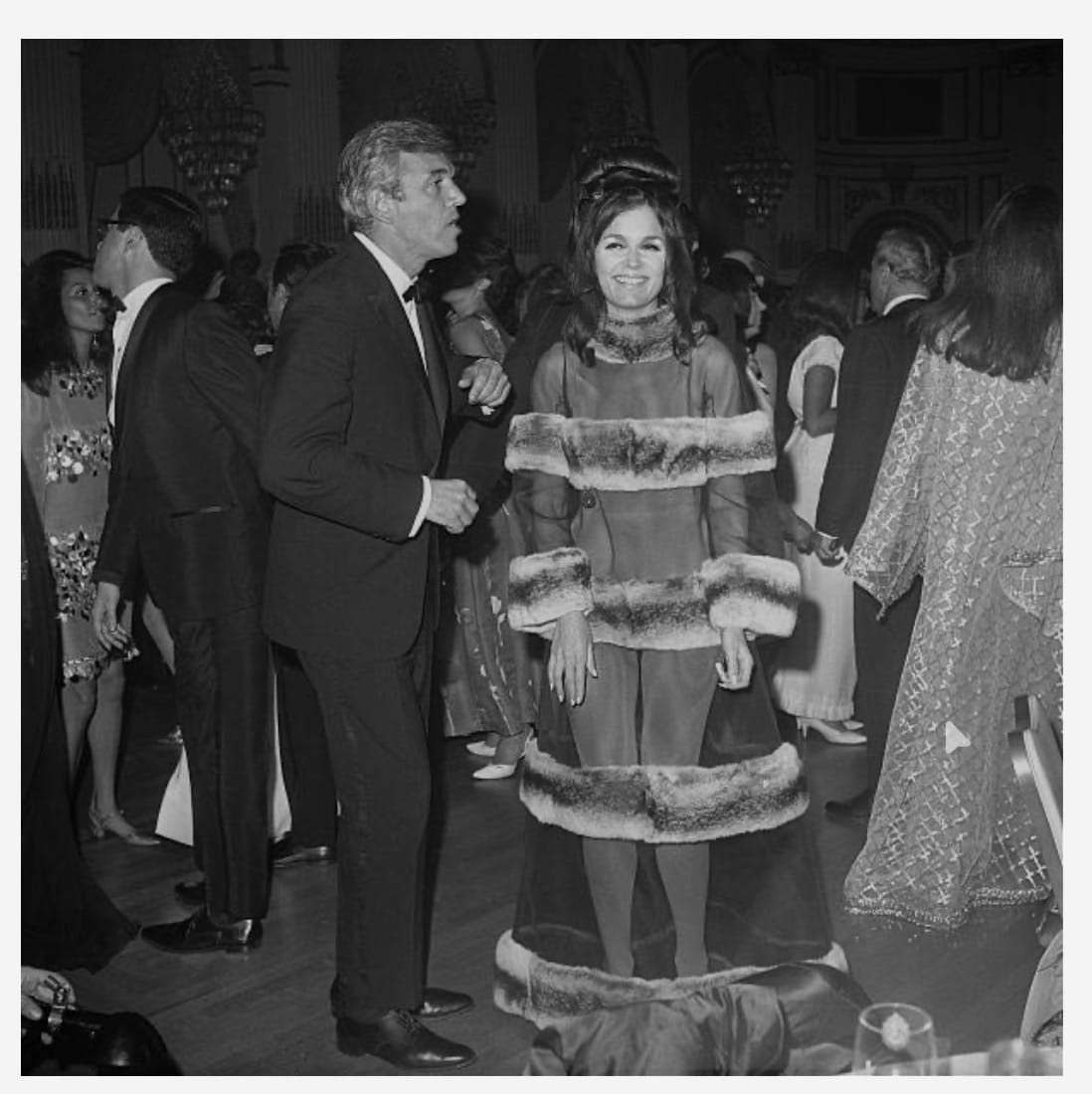
Is Shrew a Satire?
My favorite Shakespeare scholar thinks we shouldn’t do Taming of the Shrew anytime soon. She says that she can forgive the 16th century man who wrote those shows; but, we all should know better than to produce the propaganda of our patriarchy.
My mom agrees.
I have been parsing out where my parents and teachers fell on feminism. I see what Gloria Steinem said and ask where have I heard that before? or, why have I never heard that before? and, most often, where did I hear the total opposite of that one? Steinem is a discovery of my 40’s; so, really new ideas for me. Feminism was a dirty word at the Catholic school of youth; however! my parents are a rich mixed bag of confounding reactions to any given topic. I don’t predict anymore. I just present them with an idea and brace for the zing-slap-shocker. For example,
“Not-so-subtle-self-esteem-sabotage-scheme!”
I proposed that title for the girl group half of my mom’s K-Pop music video feed. Does an algorithm in which 100% of the women weigh 100lbs damage the psyches of everyone who passes by the living room jumbtron on the way to the cookie jar and pretzel pantry? “Don’t super-impose your western standards on my youtube feed.” I mentioned that in real-Korea real-people come in all of the sizes; in my month there, I did not note a skew toward super slim. Fast-frontal-lobe-slap-back: “You don’t get to comment, Shakespeare is a misogynist asshole and anyone who produces Taming of the Shrew is doing women huge harm.” So…me.
I’m more of a moment-of-pause-amygdala talker...and, my mother’s related/unrelated responses surprise me...so, I paused…and stuttered something like, “he’s showing us how it is and laughing at it.” so, my timid-tap-back was satire?
I only pretend to be a dramaturg. I am not authorized to stamp a literary genre onto a play … so, with the liberty of ignorance established … I will now cite the blog at the top of the Google search called No Film School for satire expertise.

Satire is about using humor to deliver sharp social commentary. It combines social criticism with pointed humor, then hands it to the audience with a wink.
My favorite production of Shrew ends with a literal wink…
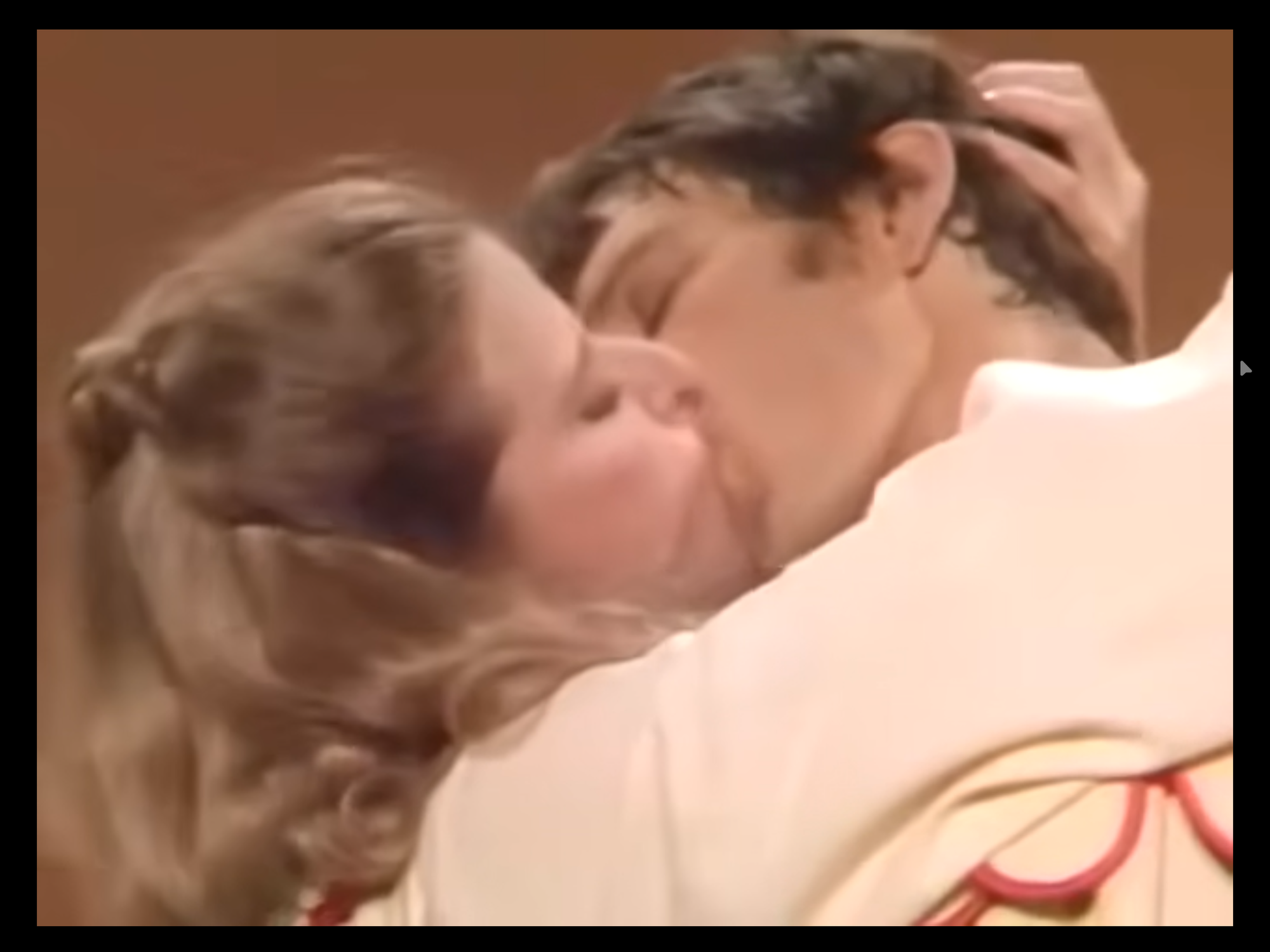
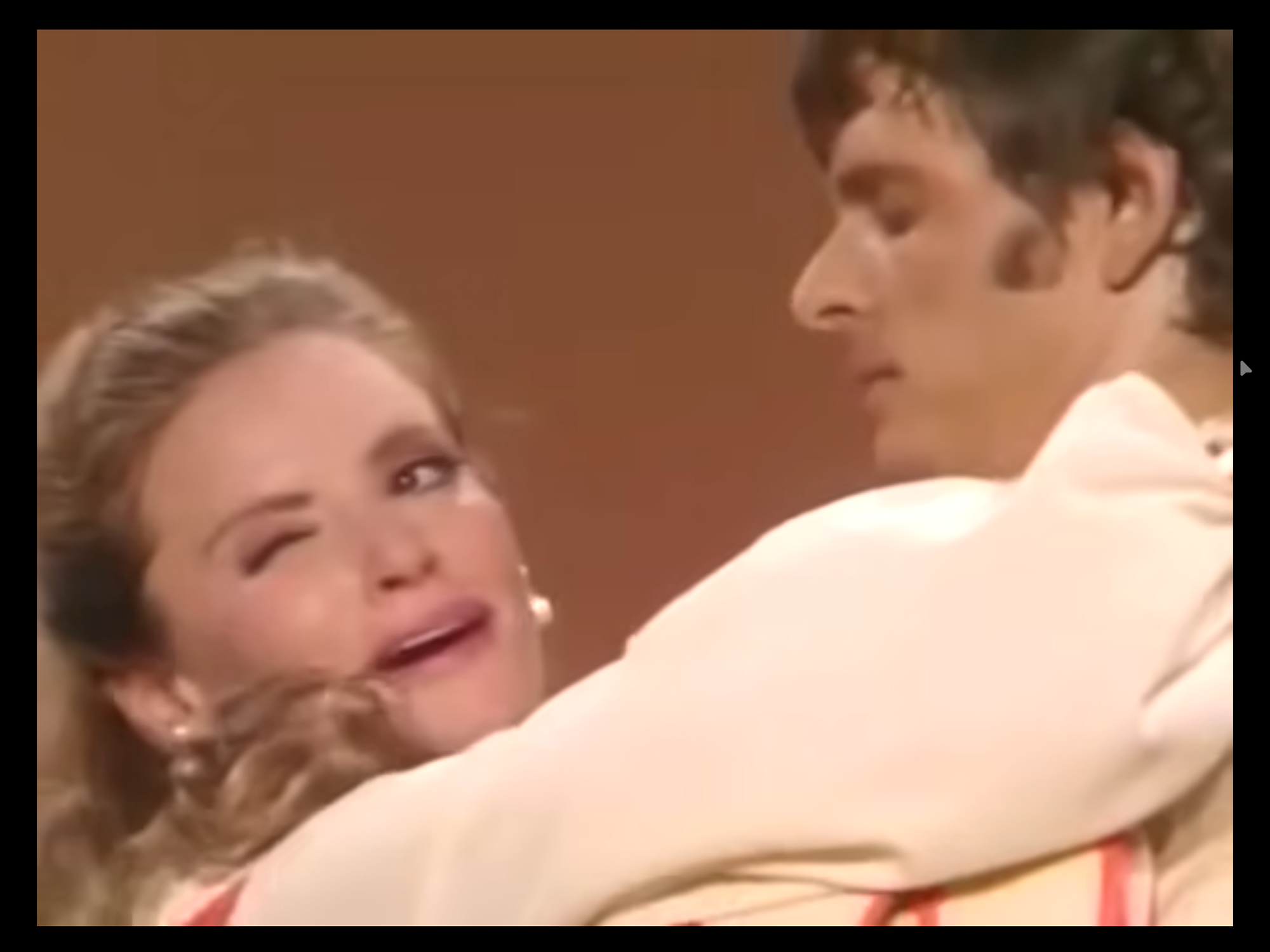
“Now there’s a wench….come, kiss me, Kate” … wink!
Every dramaturg, director and essayist I have encountered agree — the wink doesn’t work. Maybe in the productions they have seen, including the one in their head when they read it, the ‘social commentary’ prerequisite isn’t adequately clear.
Good satire makes you laugh; great satire makes you squirm while you do it.
Some of us hate to squirm. No hard truths. No personal implications. If we say satire really clearly before tickets are bought and bums are in seats - we get an audience that welcomes some squirm. The ones that are there reluctantly are relieved a little by knowing the genre — they can remind themselves that it’s opposite day.
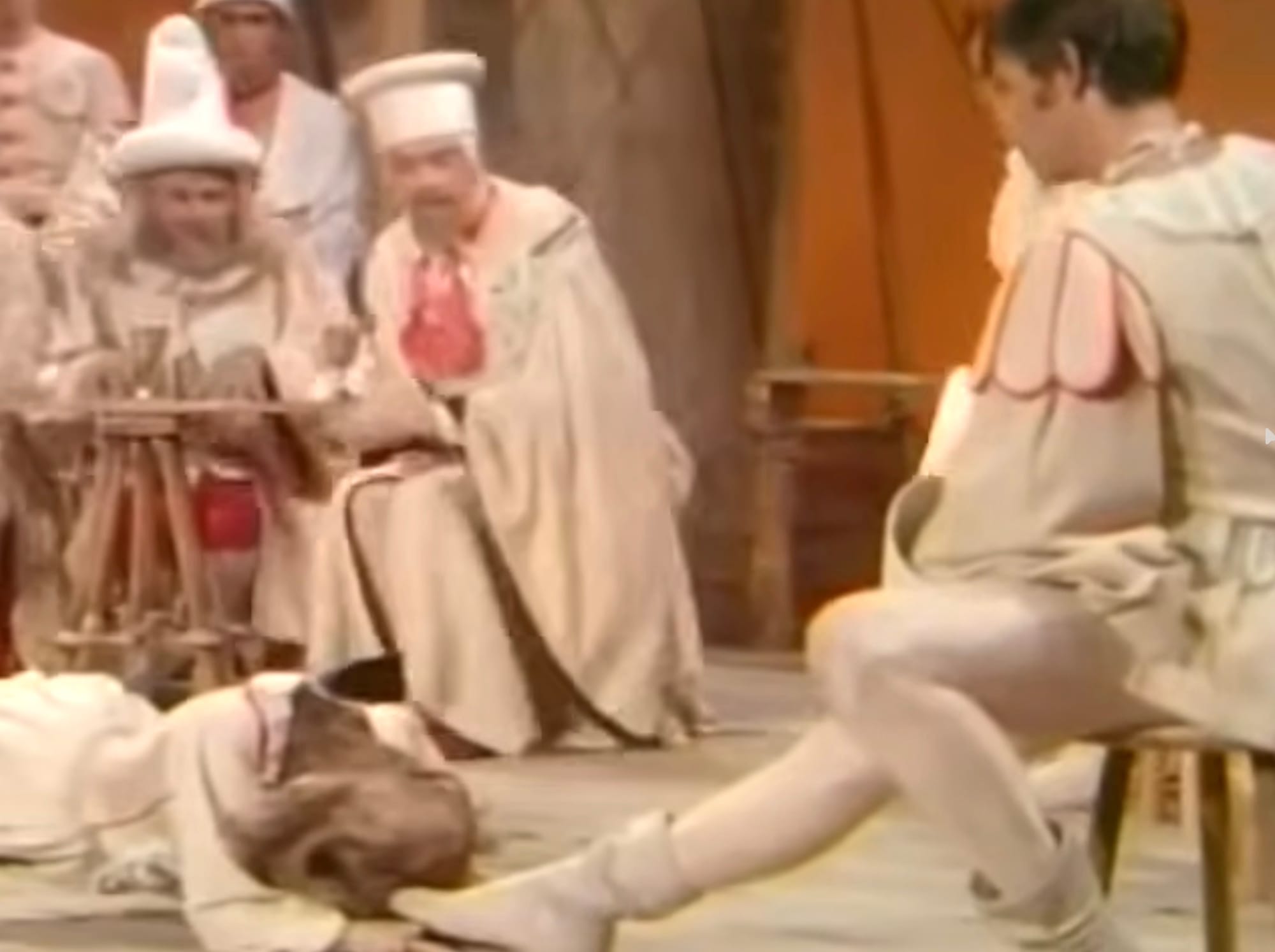
Not every film with a sarcastic voice qualifies as satire. True satire needs a sharper edge. It punches up, not sideways. It picks targets that matter—institutions, ideologies, power structures—and it doesn’t flinch when things get uncomfortable. A brilliant satire blends witty writing, fearless critique, and emotional honesty. It entertains, yes, but it also unsettles.
You know, the female lead, Katherine/Katarina/Kate does all of the flinching for us in the first 4 acts; then when she stops flinching and tows the patriarchal party line in act 5…that’s when productions flinch. The wink probably counts as a flinch.
There’s also an art to the tone. Go too far, and it tips into absurdity with no anchor. Play it too safe, and it loses its bite.
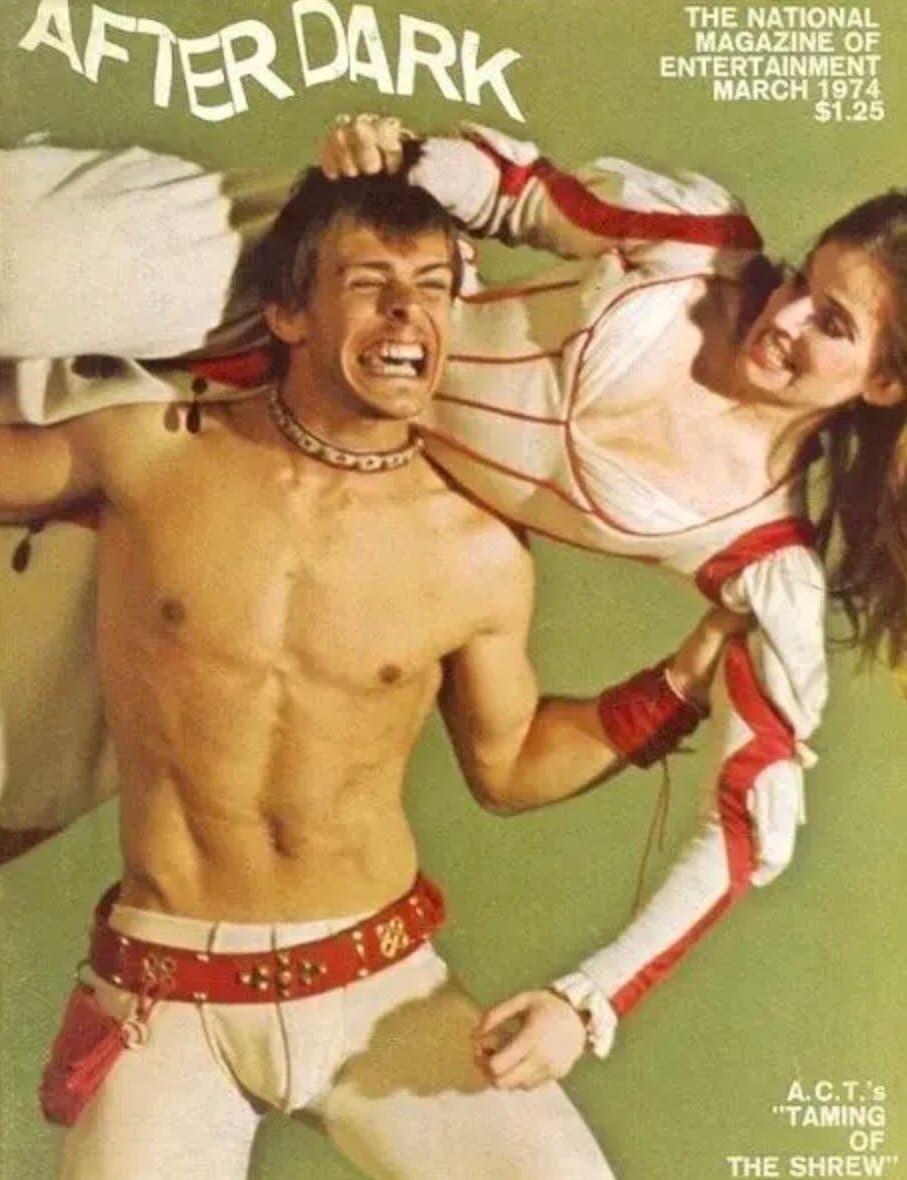
This scene definitely lacks bite…of beef! because he chucks the mutton! destroys the table! and bodily dismisses the chef!
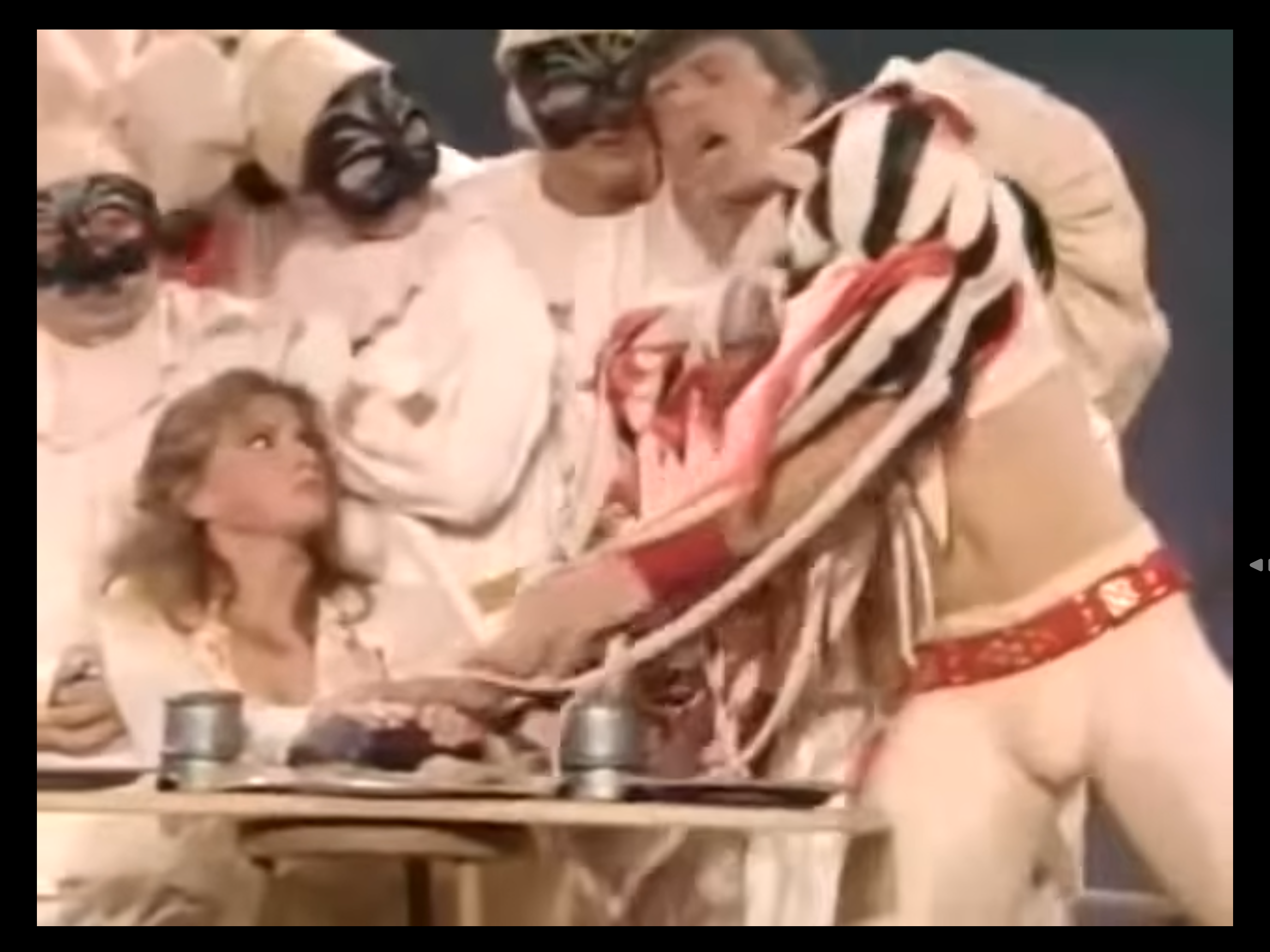
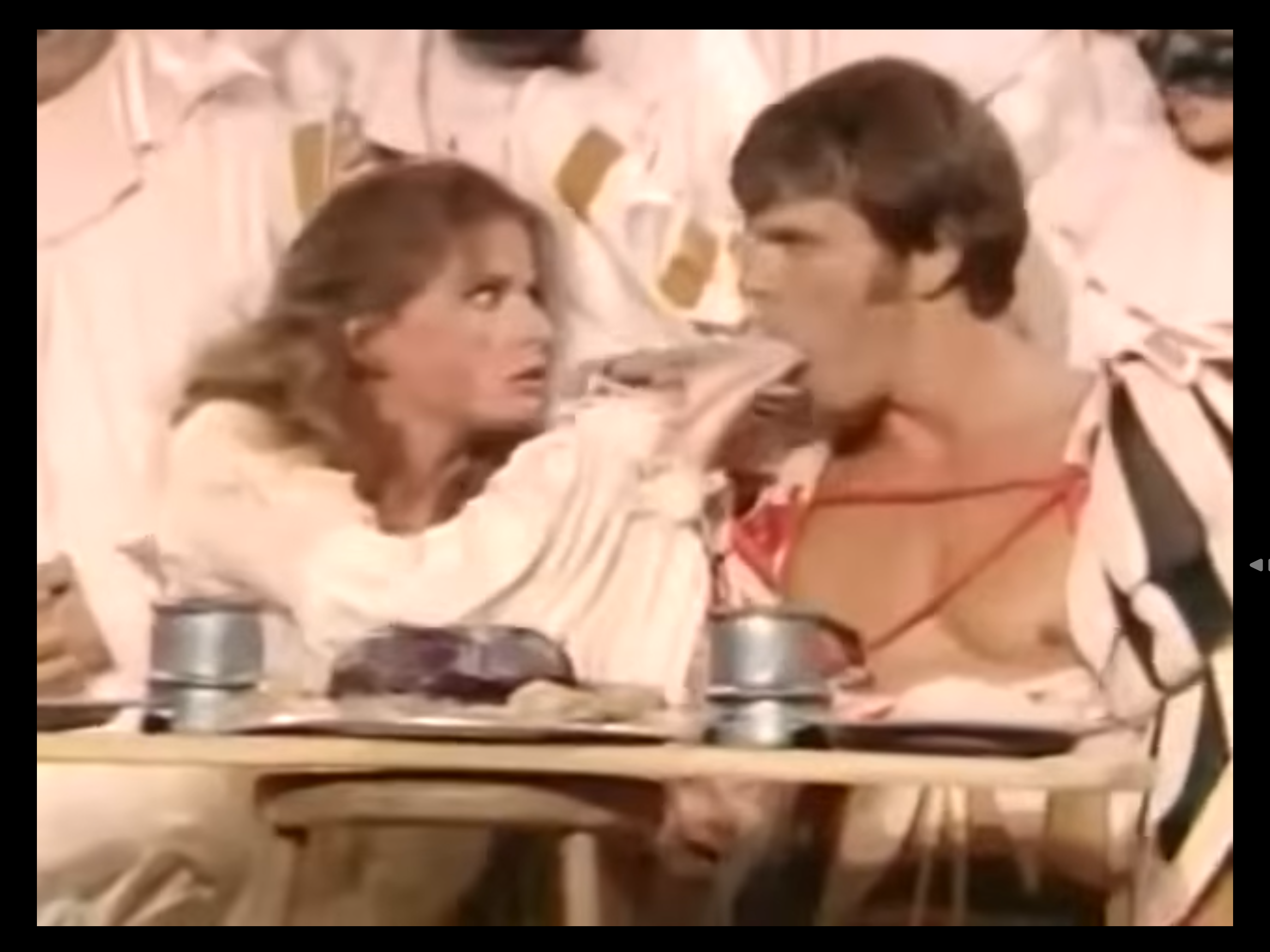
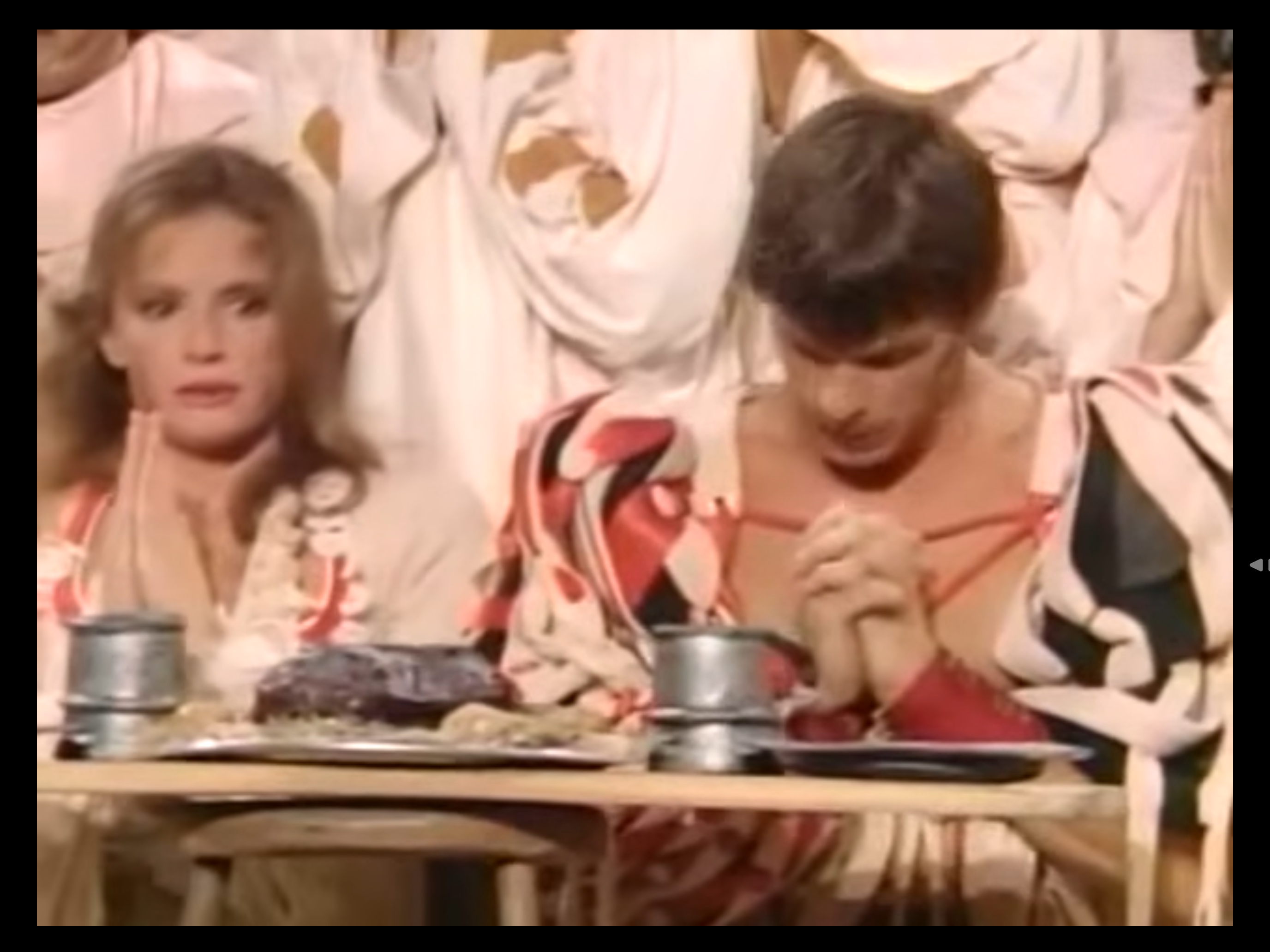
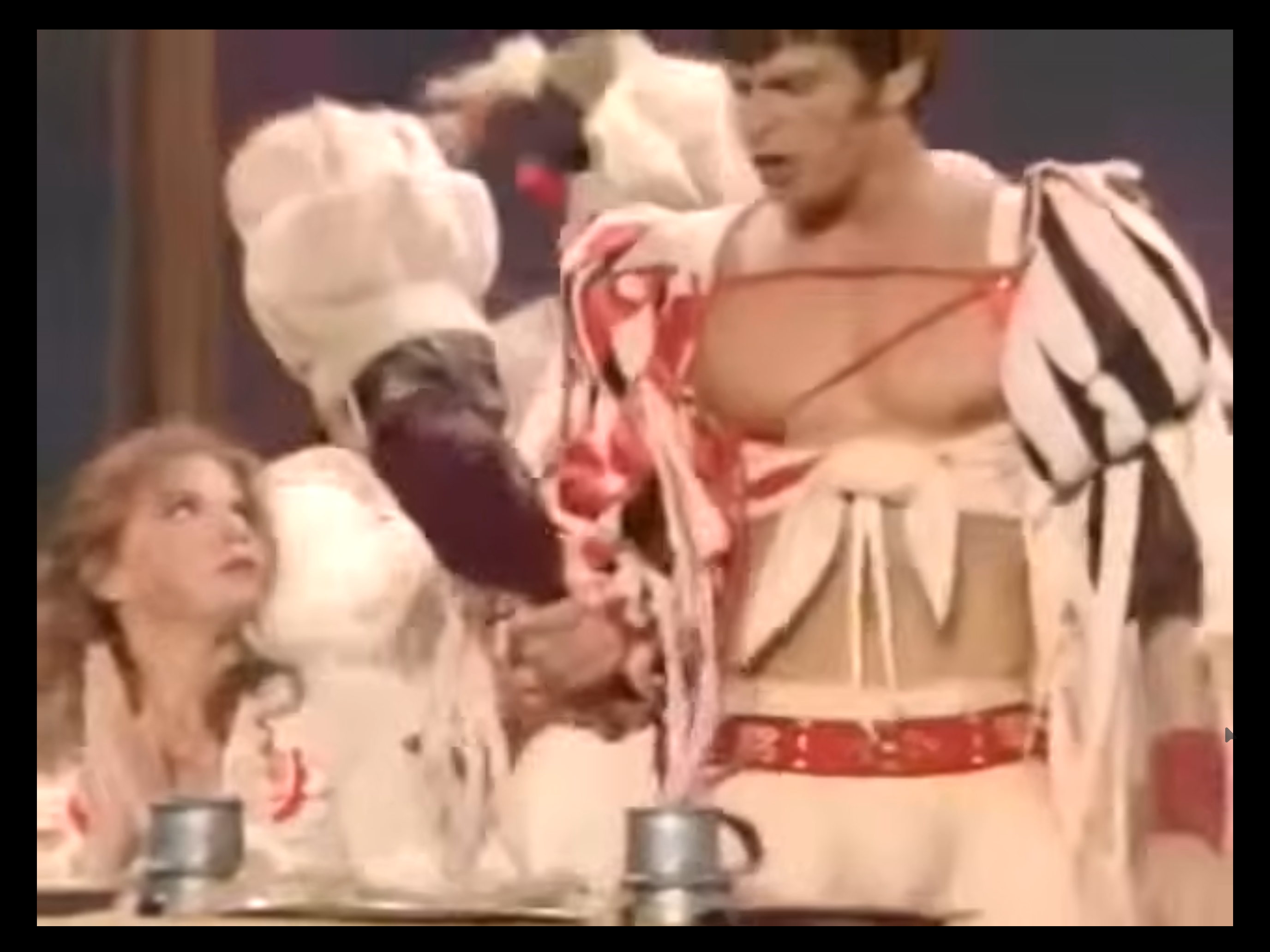
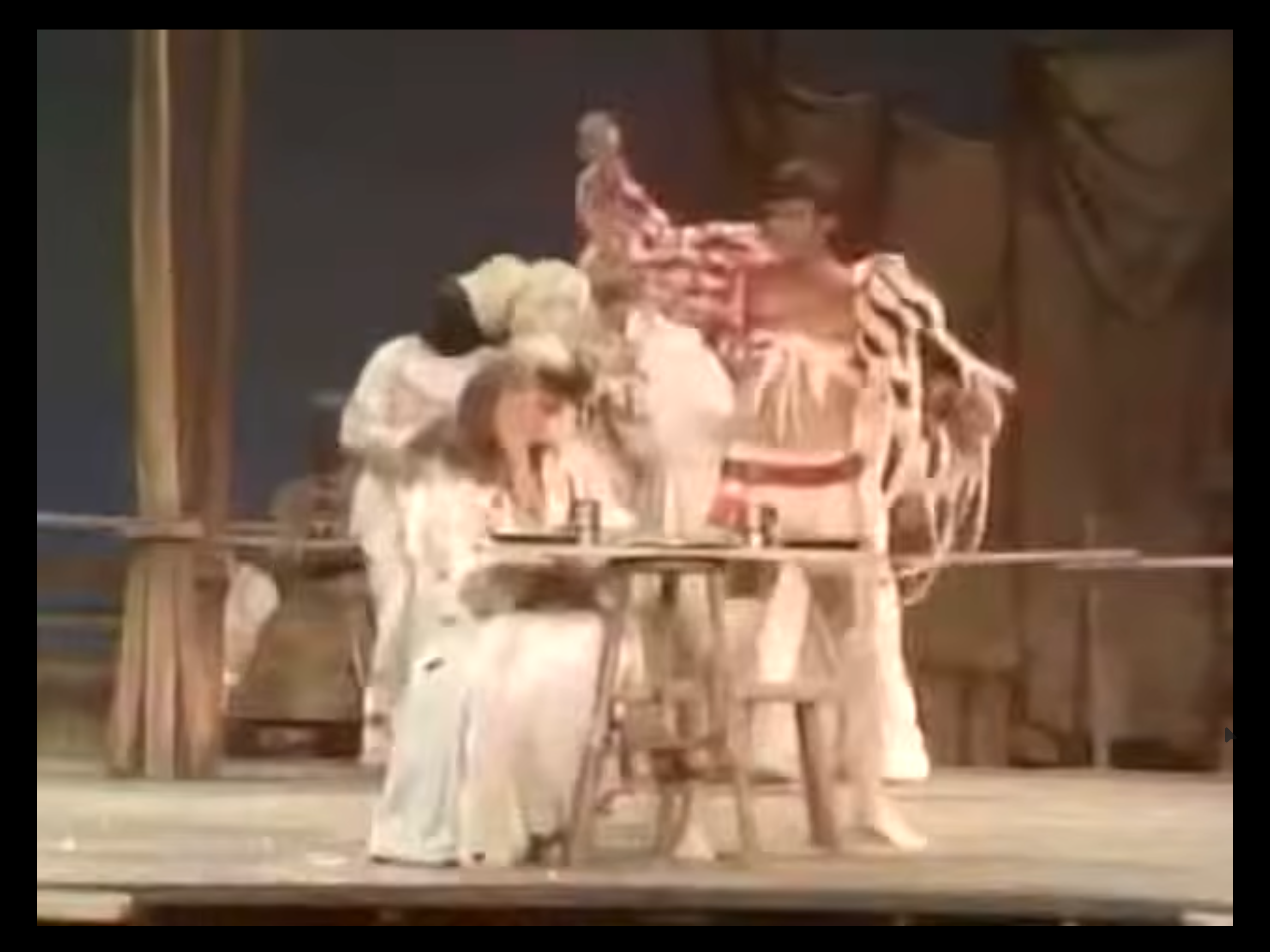
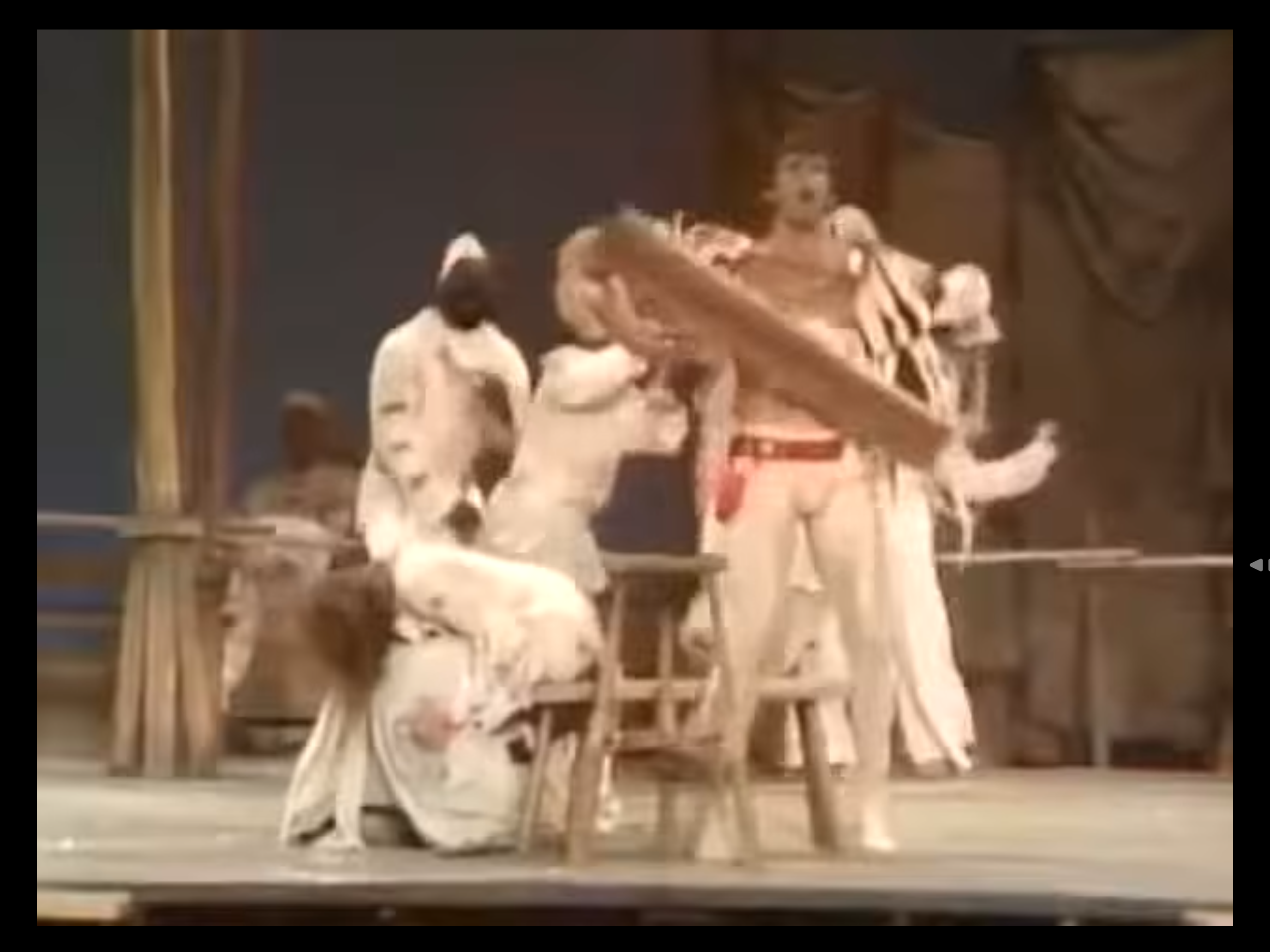
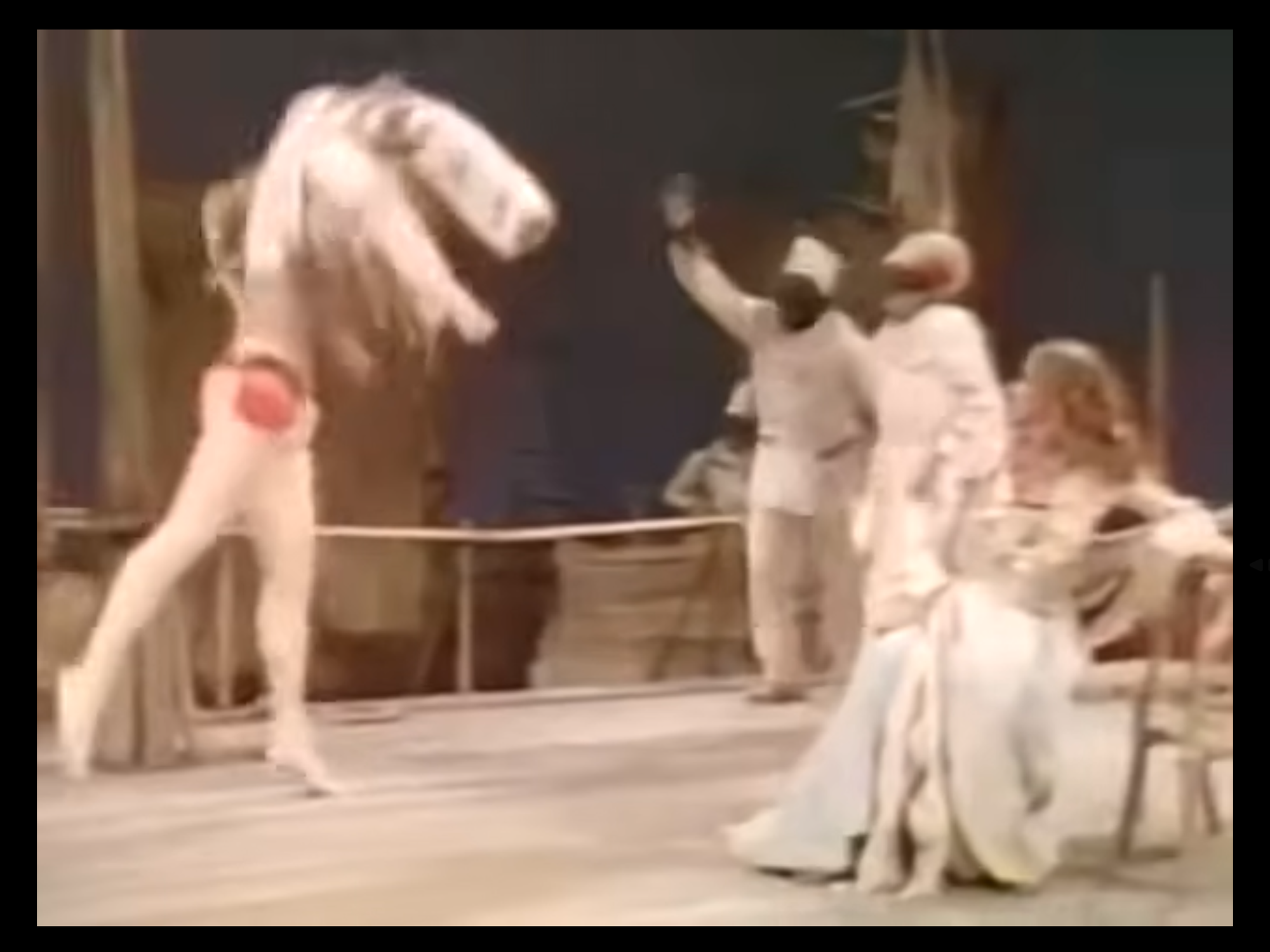
Depriving your hungry wife of food because it isn’t good enough for her is everyone’s least favorite form of abuse in this show. but the servant abuse is the one that gets me — because it is designed to show her how this man does dominance. Those Commedia masks they are wearing come in all shades, so, the dark brown color is either an honest, very bold choice... or an ignorant, really oblivious one. Even if they didn’t consciously intend to bring skin color into the play, I bet their subconscious did — our version of hierarchy is the British-styled, white male kind. If you only do as much violence as the script requires, the servants get as much or more abuse than Kate. Is this absurdity with no anchor?
The best satire balances that tightrope, riding the absurd while grounding it in something that hits close to home. It finds the humor in human messiness without making light of real damage.
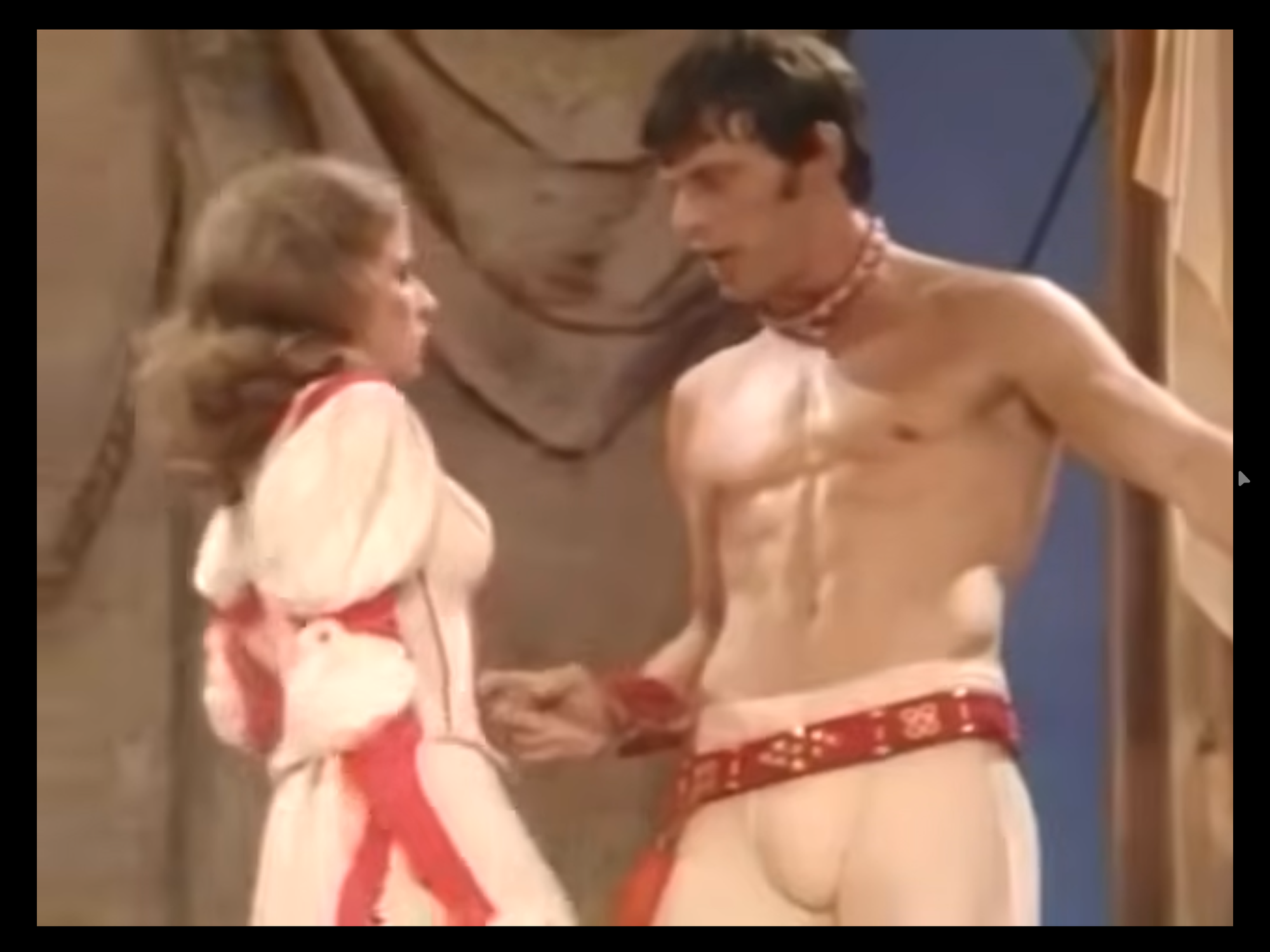
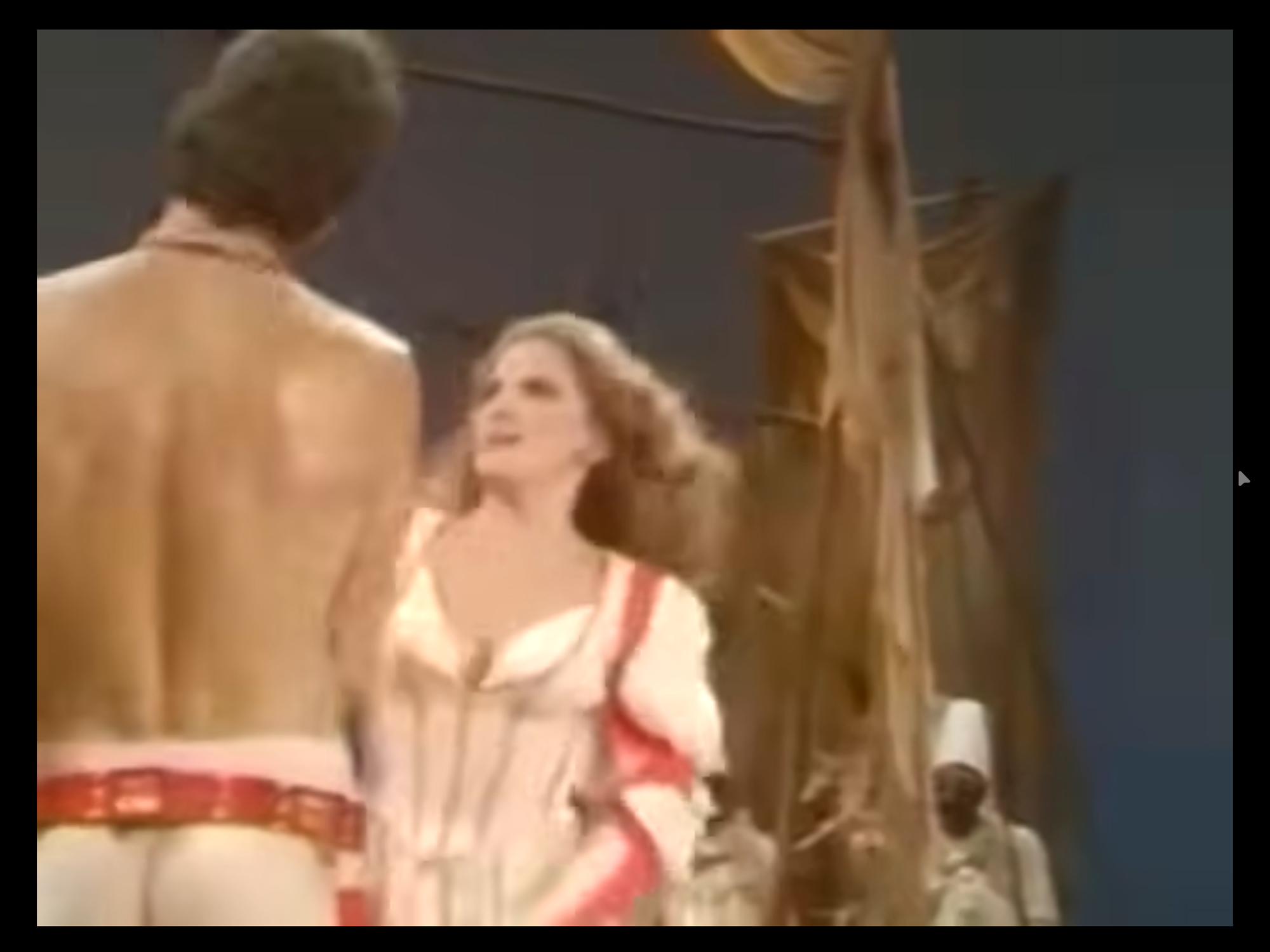
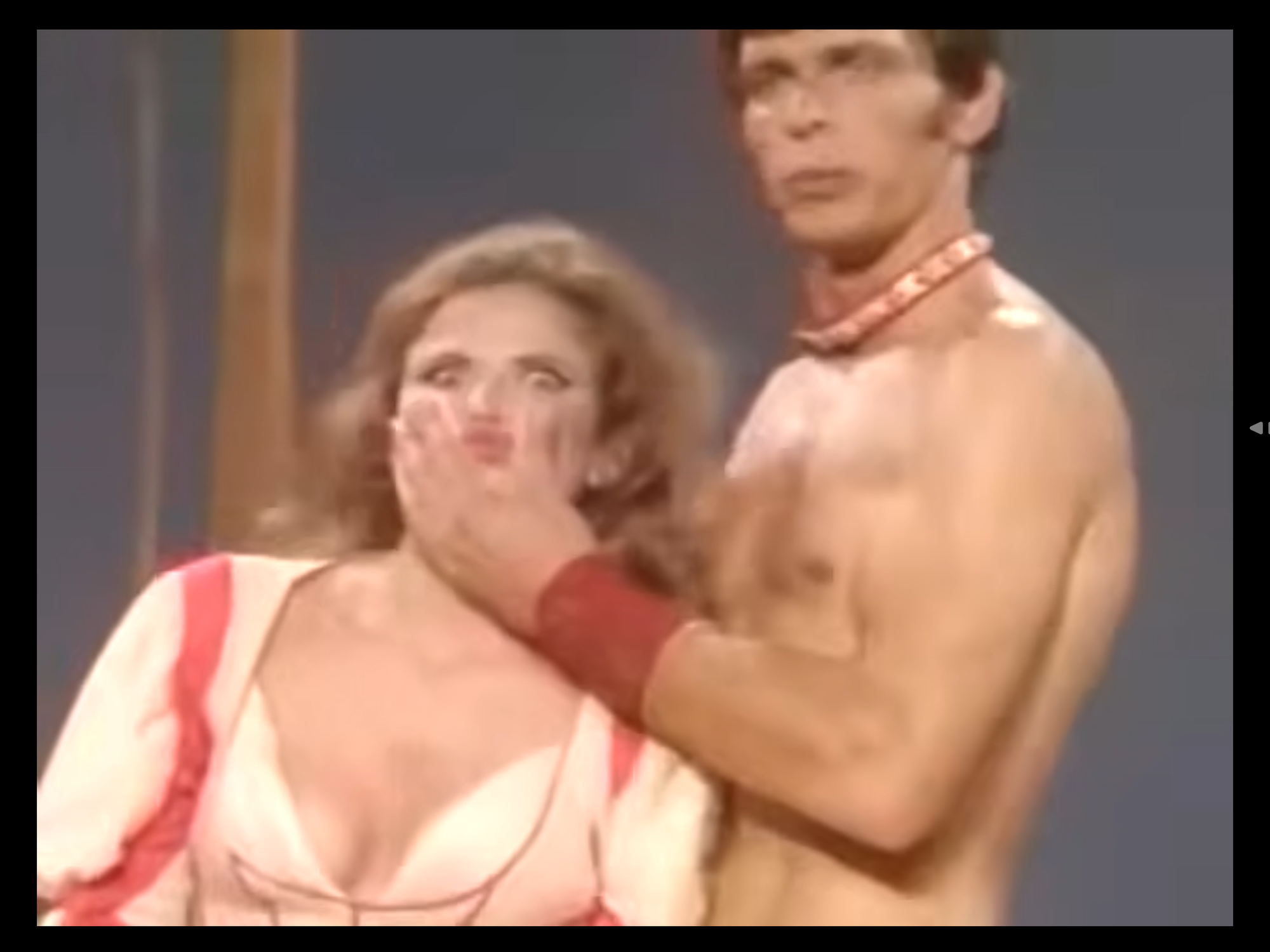
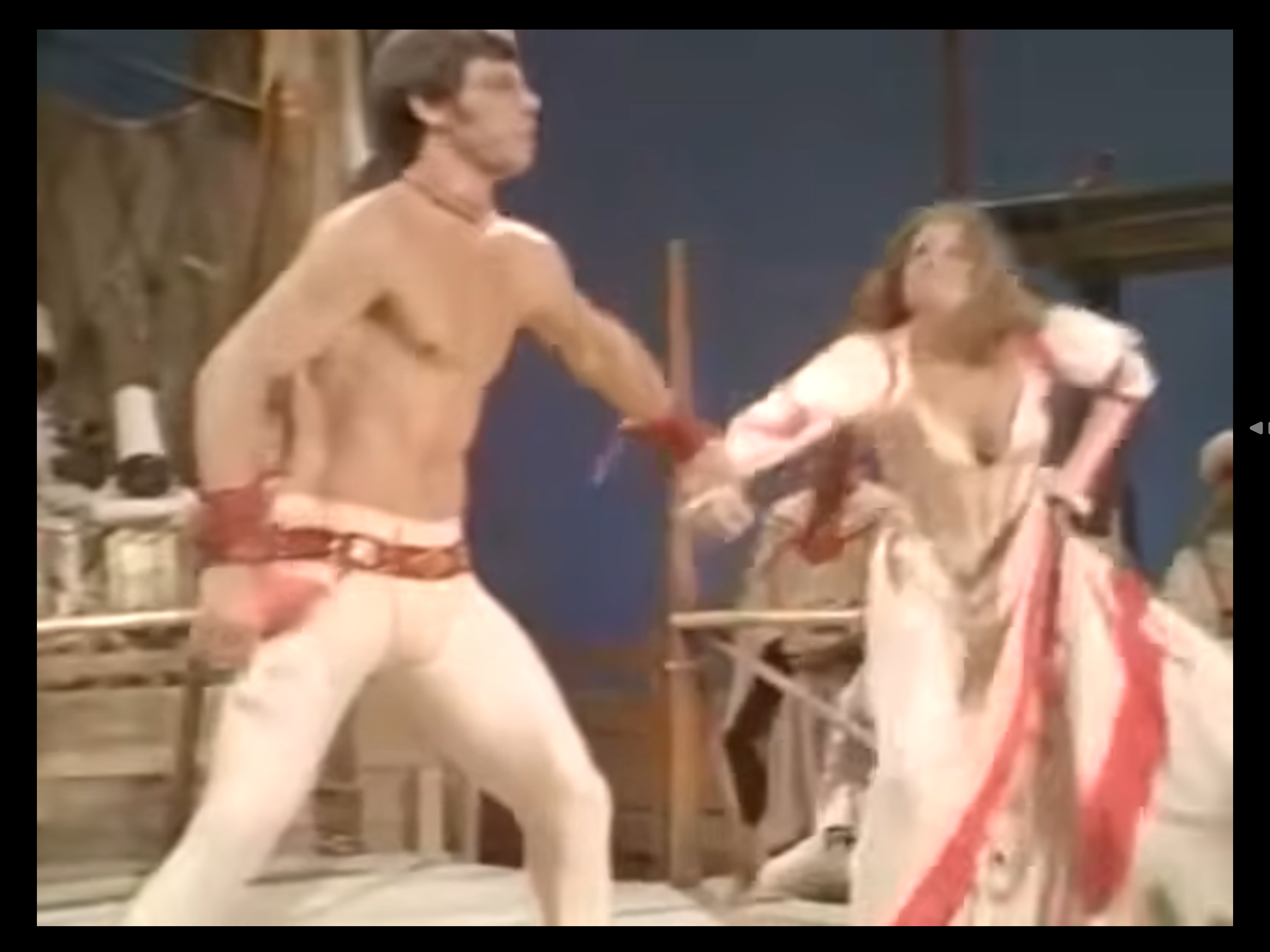
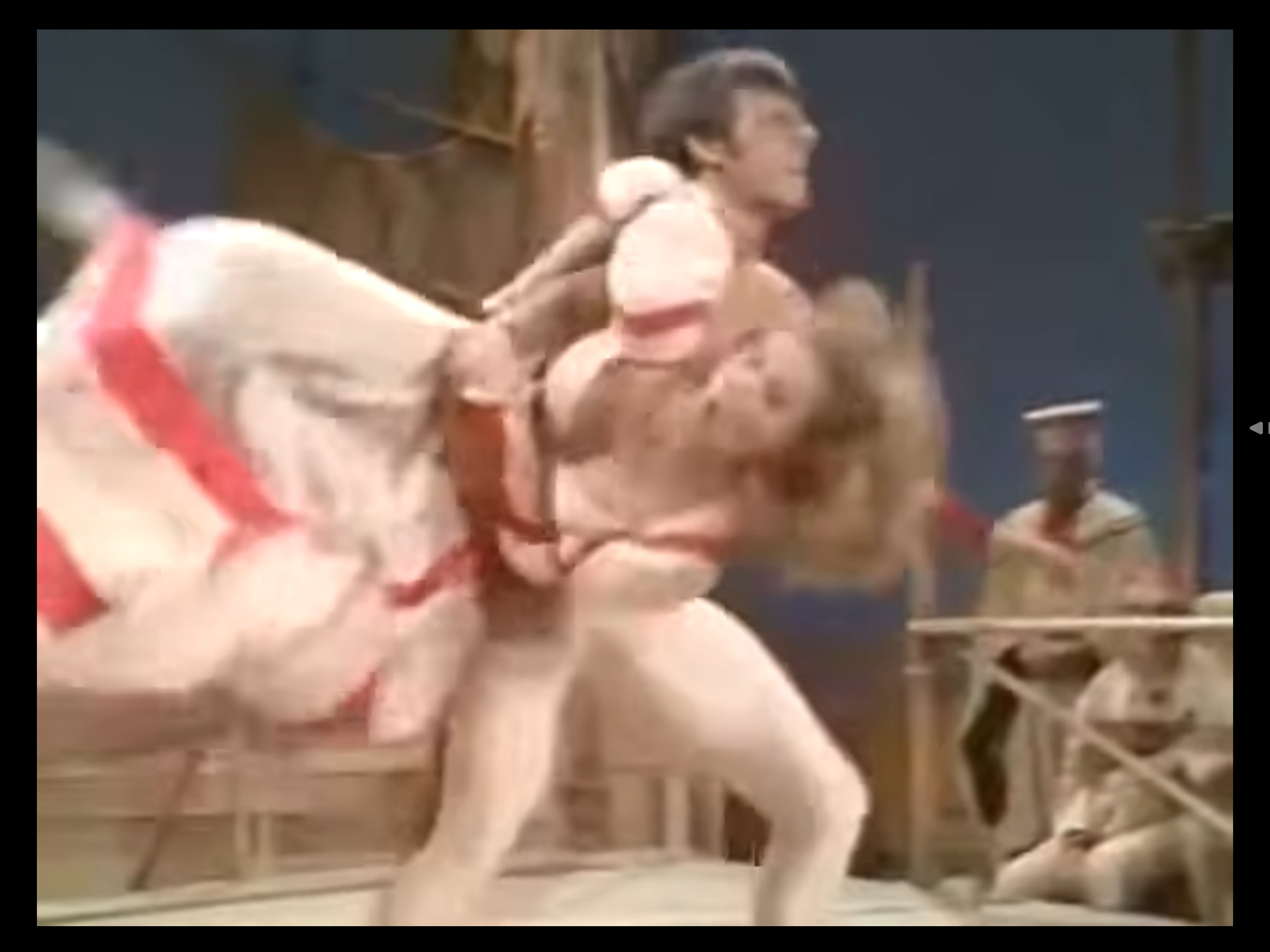
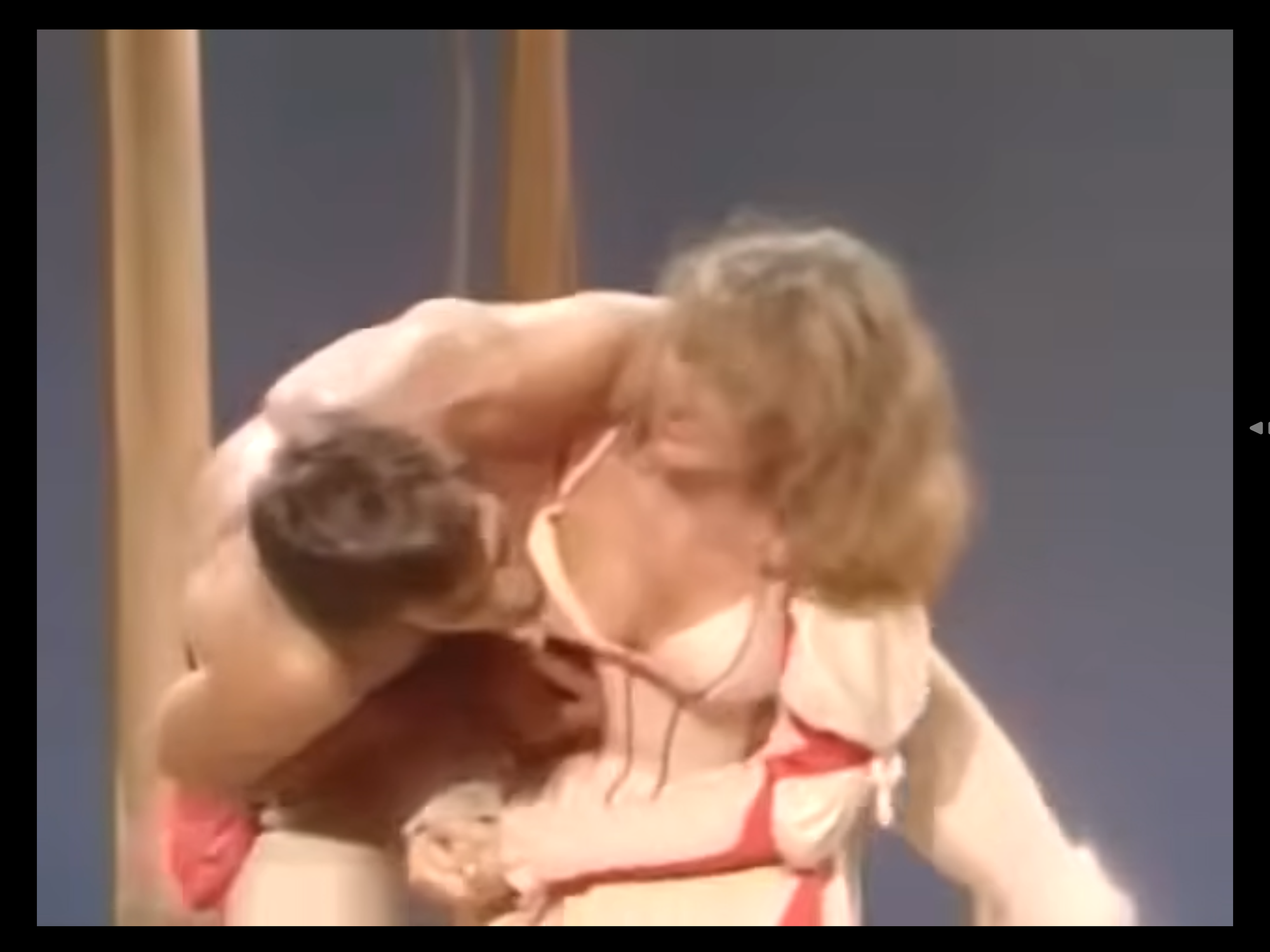
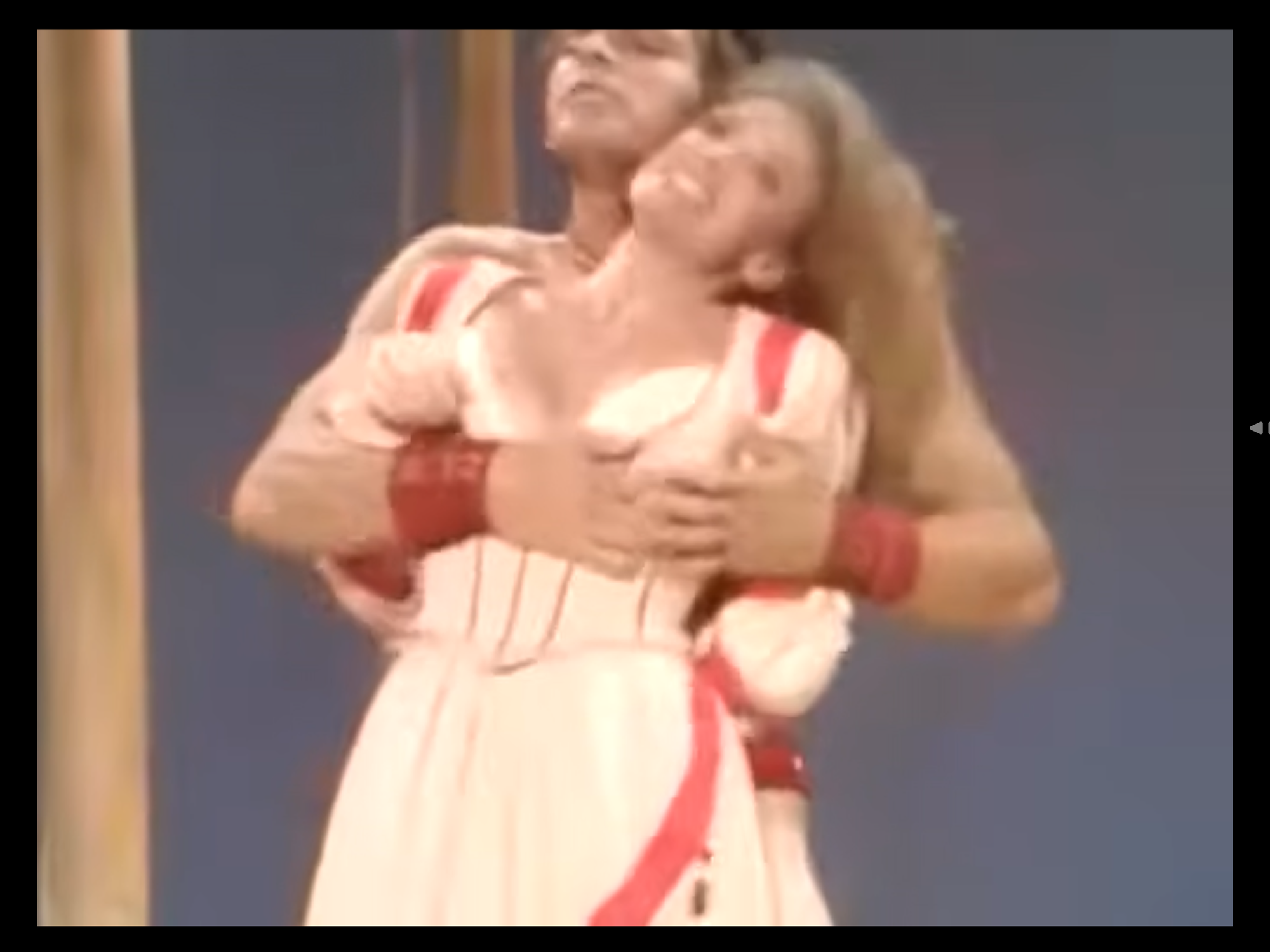
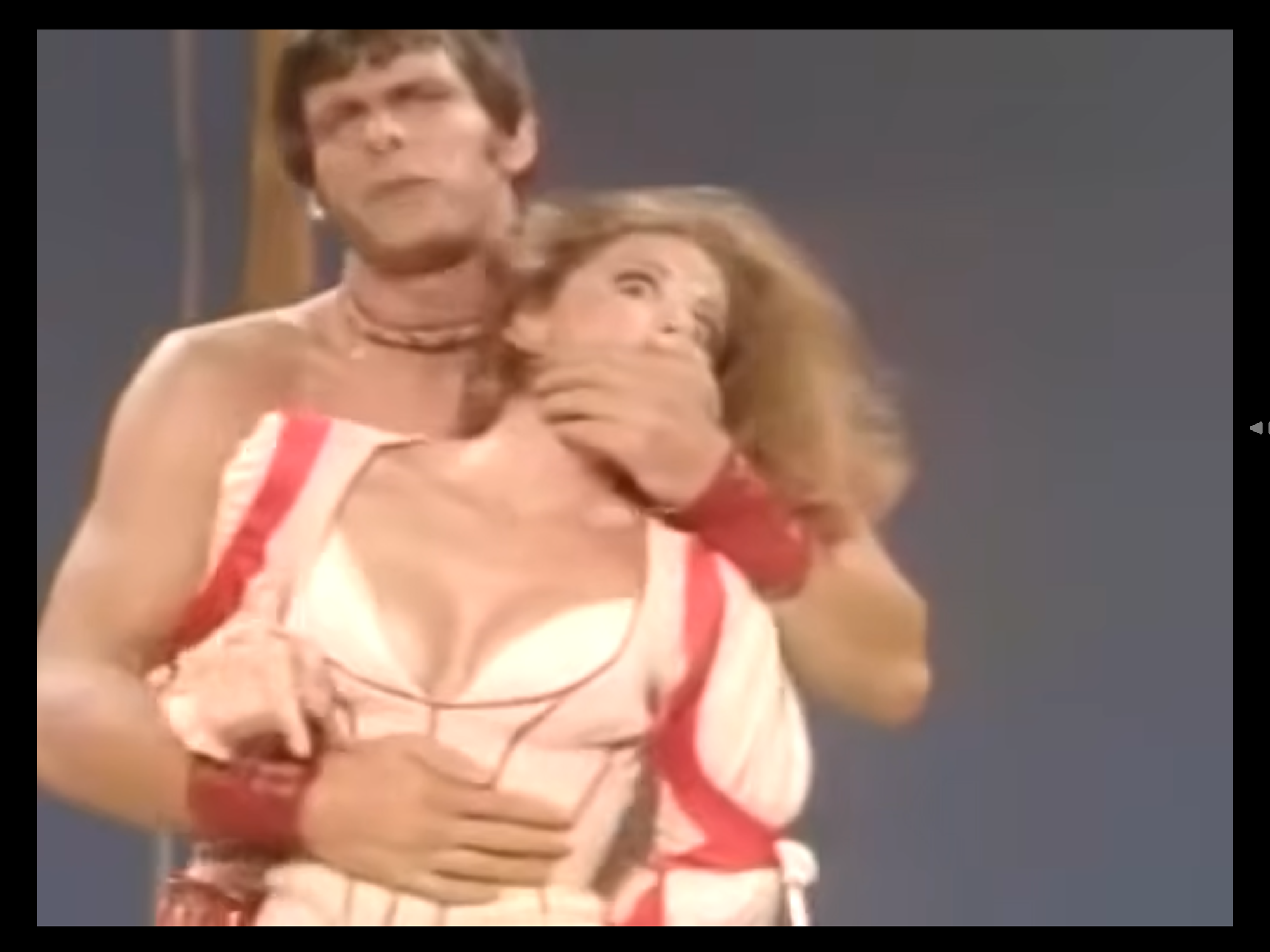
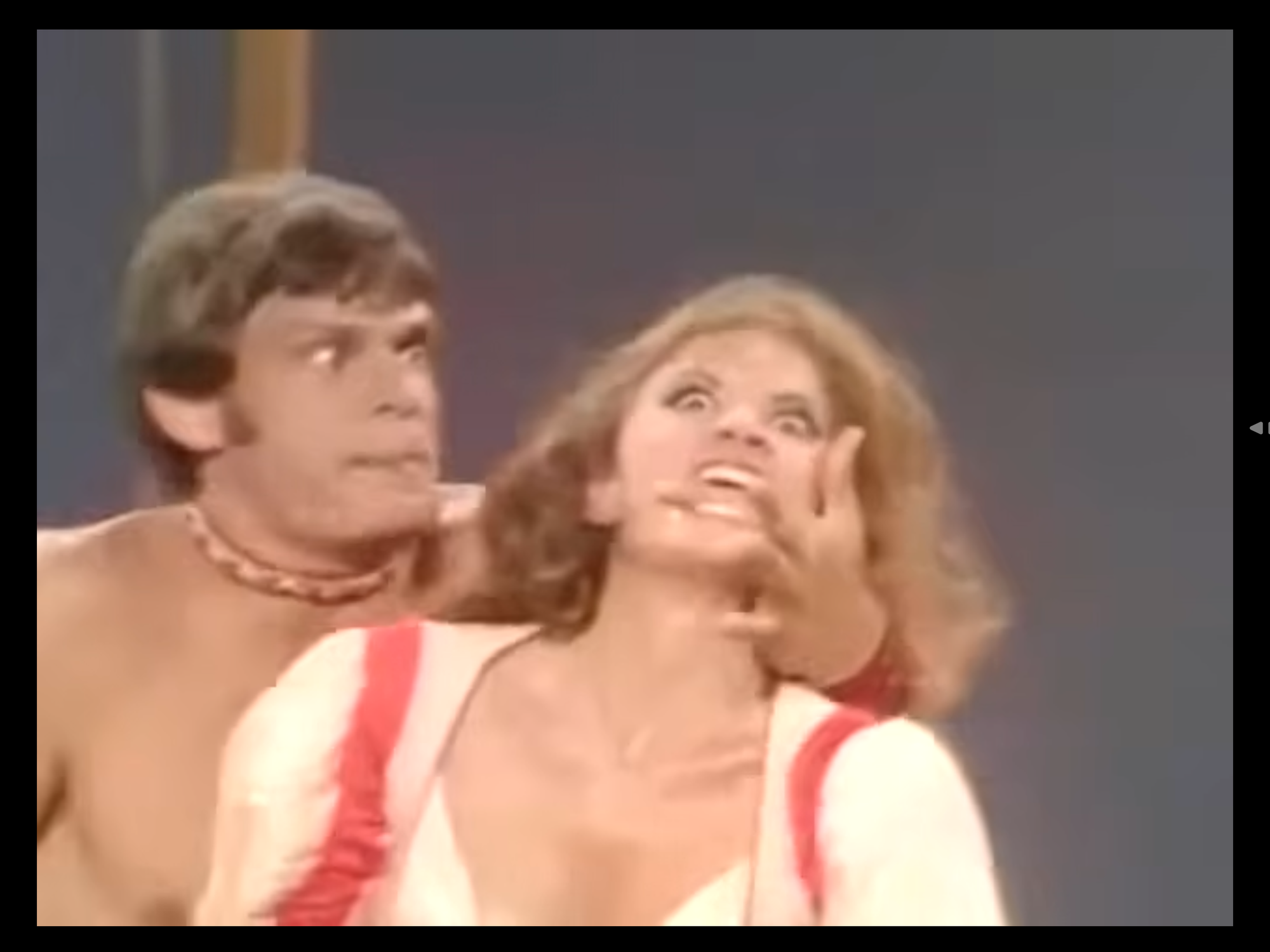
‘real damage’…that sounds a little like some domestic abuse laws—only triable if permanent damage happens. A relationship that starts with a slap to his face, many yanks and grabs of her arm, an elbow to his crotch, manhandling and muzzling her, biting his finger, etc, etc, many more frames could be added above — this is obviously making light of … mild violence. If we live in a society where mild violence progresses to ’real damage’; does this scene ‘make light of real damage’?, does it encourage us to make light of it when we come across it in real life? If so, then it is agitprop for the opposing team posing as satire — which, is my fear.
And finally, relevance. The great ones work in their time, and they grow with it. A satire that still resonates decades later truly hits the mark because it taps into a universal flaw that we still haven’t addressed.
ding. ding. sad ding. this is a universal flaw we still haven’t addressed.
I haven’t come across a play or movie that has so well mirrored our female-oppressing status quo, made it look unappealing, and then given us the solve we contemporary Americans chose…lean into male dominance!
In the climax moment he demands that she say the sun is the moon. When she is confused, perplexed, obstinant and indignant, it is the servant that makes clear to her what she has to do. In this society, what he says goes, even if it is really really not true.
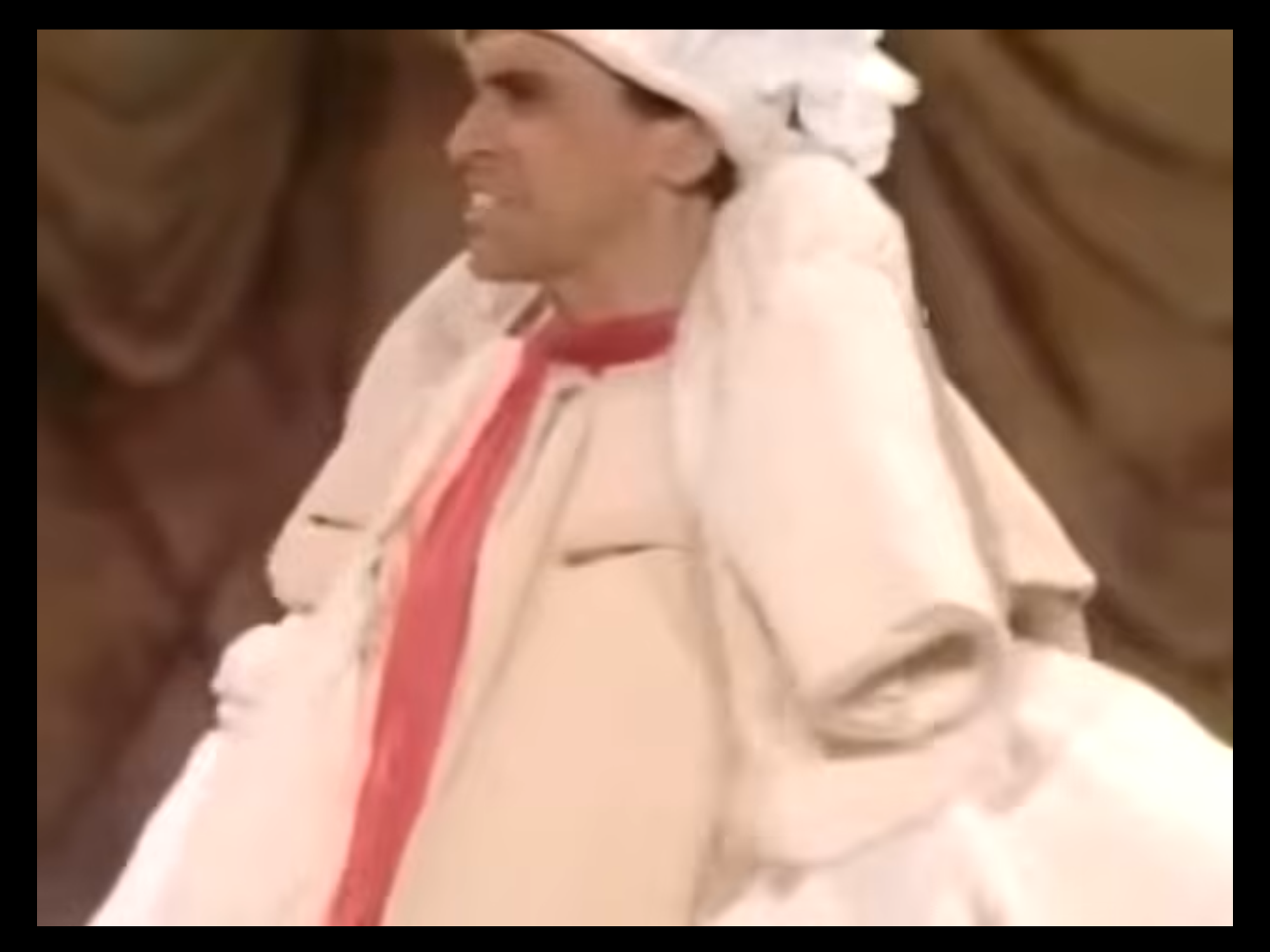
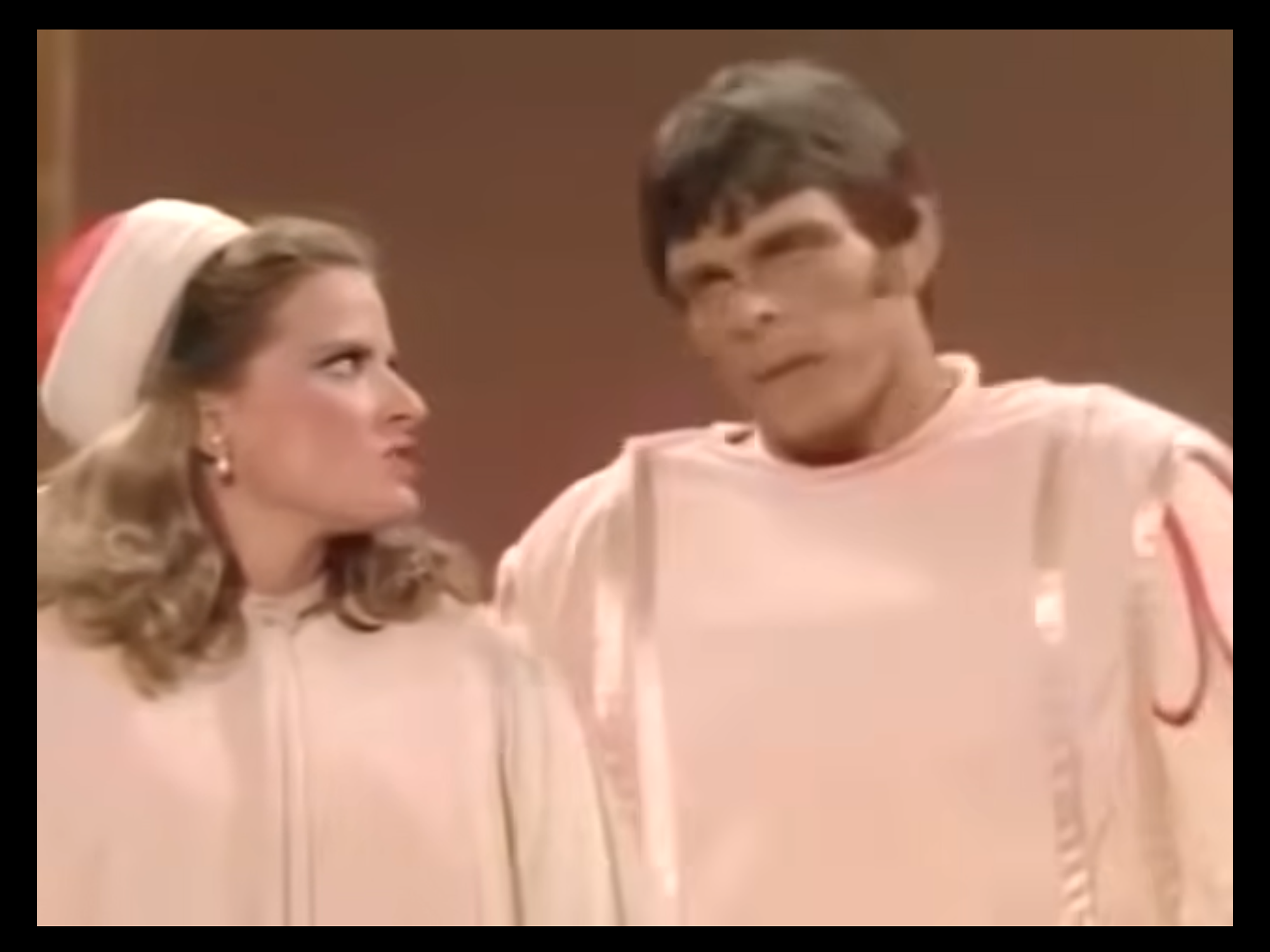
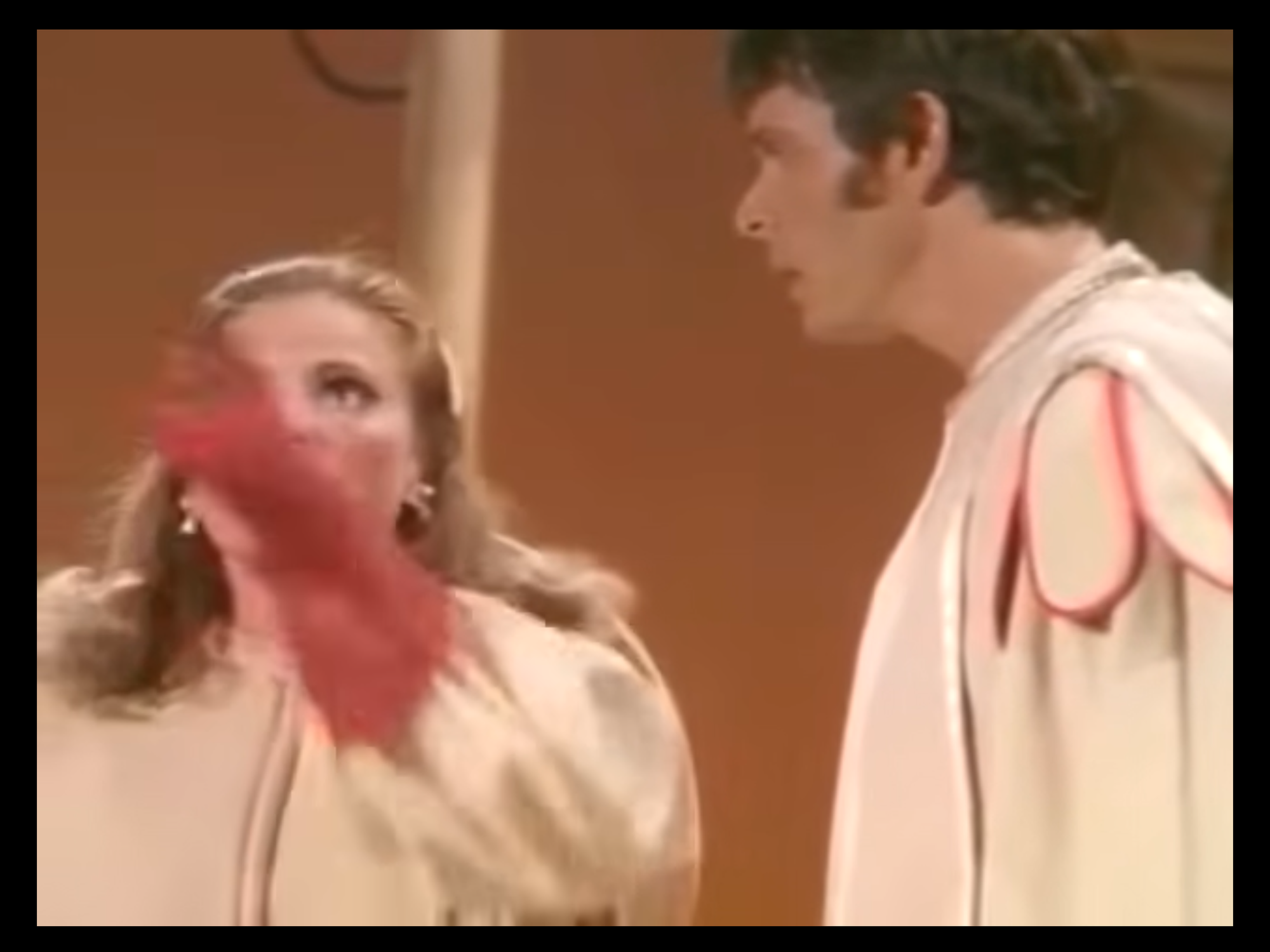
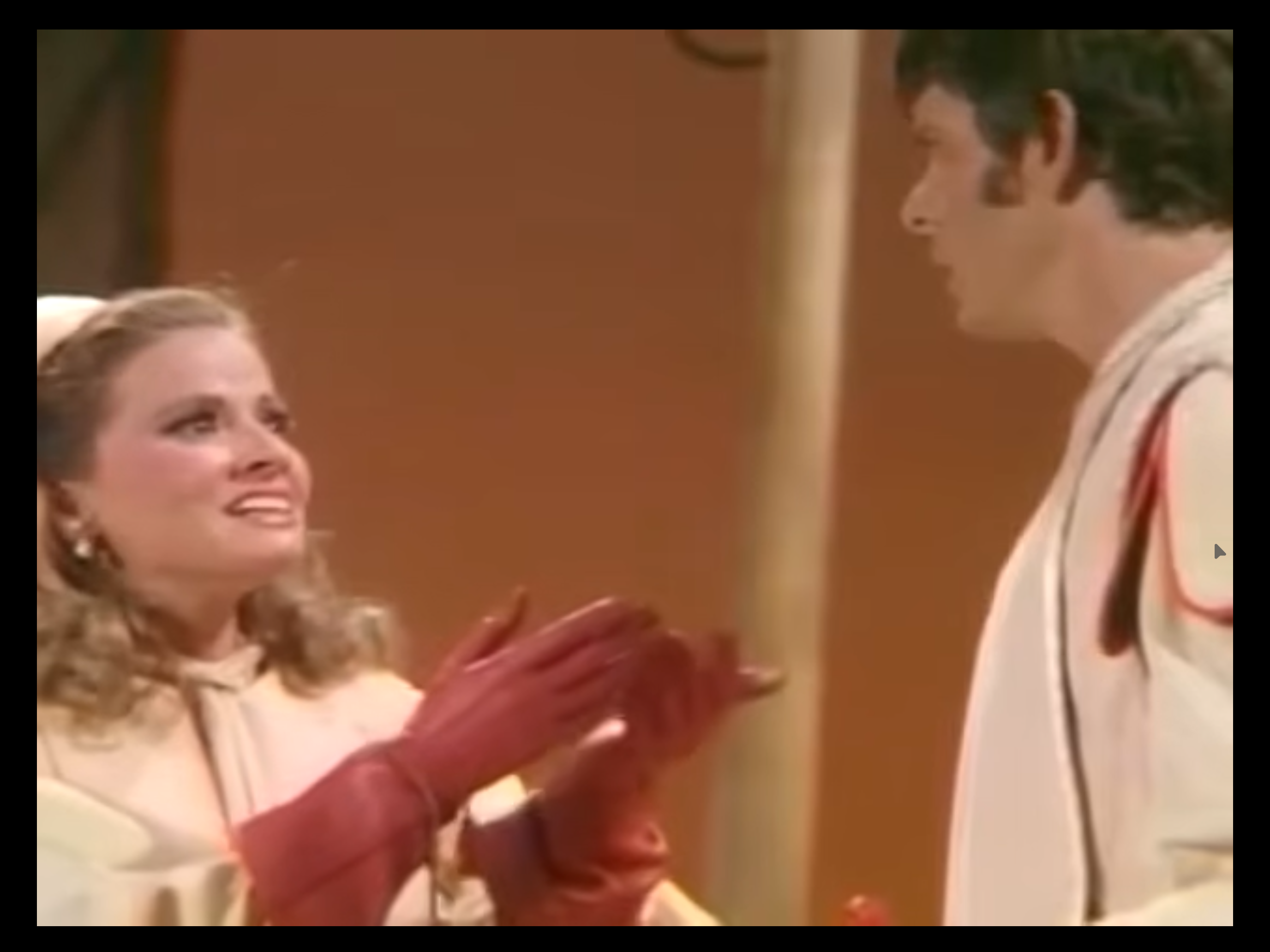
“Sun it is not if you say it is not. And, the moon changes, even with your mind.”
I don’t see anything in between those lines that gets her from fighting for reality to agreeing with whatever he says. Other than just seeing the clearest way to give up and taking it.
If I could watch the politicians that loved to say it like they saw it before, and now say whatever Trump’s version of events is—maybe I would get insight into this moment in the play, and this moment in our country. We traded in a sneakily oppressive society for an openly aggressive male supremacist.
I don‘t get it, yet, guys. but, I can’t admit my mom is right until I look at a few more productions. She has since worked some Lizzo into her algorithm. Please take a moment to scroll this through your mind…just Lizzo and 75 unique individuals with a sub-zero pant size. …my mom is like Shakespeare—she will subtly stick it to me until I admit defeat and say, sure, mom, the moon is the sun. or! I find the brilliance in the bizarro world she raised me in!
I see no Steinem commentaries on Shakespeare. She attended the 1965 Shakespeare in the Park benefit in a fun costume, so she couldn’t have thought he is all bad.